How to Transplant Euphorbia pulcherrima?
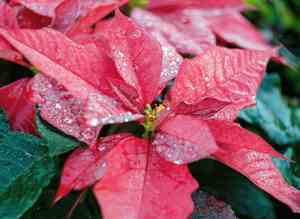
The ideal period for relocating poinsettia is with the onset of the warm season, specifically in late spring and early summer. Select a site that offers good drainage and receives partial to full sunlight. Should it be necessary, incorporate some organic material to enrich the soil with nutrients. Bear in mind that a successful relocation relies on careful handling!
What Preparations are Needed Before Transplanting Poinsettia?
What is the Ideal Time for Transplanting Poinsettia?
Moving poinsettia to its new spot during the optimal period of late spring to early summer is perfect. This season promotes robust growth and minimizes plant stress. Our poinsettia flourishes with this thoughtful action, allowing us to enjoy its vibrancy and beauty!
How Much Space Should You Leave Between Poinsettia Plants?
When relocating your poinsettia, provide them with ample room to expand. Position each plant 2-3 feet (60-90 cm) apart, ensuring sufficient area for growth without nutrient competition.
What is the Best Soil Mix for Poinsettia Transplanting?
For poinsettia, select a well-draining, nutrient-rich soil. Loose, loamy substrates are most effective. Prior to transplanting, enrich the soil with organic matter like compost and a slow-release, balanced fertilizer to encourage healthy development.
Where Should You Relocate Your Poinsettia?
When choosing a site, ensure your poinsettia receives abundant sunlight. Aim for a minimum of 6 hours of direct sun daily. A location with bright, indirect light or partial afternoon shade is also suitable for poinsettia.
What Equipments Should You Prepare Before Transplantation Poinsettia?
Gardening Gloves
To safeguard your hands while handling soil and plants.
Trowel or Spade
For excavating holes and moving earth.
Measuring Tape or Ruler
To precisely determine the correct planting distance.
Pruner or Scissors
To trim damaged or excess roots and branches.
Watering Can
To hydrate the poinsettia plant before and after relocation.
Garden Fork (optional)
For aerating the soil if moving from the ground.
Stakes and Ties (optional)
To offer support if the poinsettia plant requires it.
How Do You Remove Poinsettia from the Soil?
How Do You Remove Poinsettia from the Soil?
From Ground: First, water the poinsettia plant to moisten the soil. Next, dig a wide trench around the plant using a shovel or spade, ensuring the plant's root ball remains intact. Carefully work the spade beneath the root ball to lift the plant from its original spot.From Pot: Gently squeeze and tap the sides and bottom of the container to loosen the soil without harming the roots. Slowly and carefully extract the plant from the pot, preserving the root ball. If the plant resists, you can also try using a garden trowel to aid its release.From Seedling Tray: Use a trowel, spoon, or your fingers to loosen the soil surrounding each seedling. Carefully lift each poinsettia plant from the tray without damaging the roots. Gently shake off any surplus soil from the roots.
Step-by-Step Guide for Transplanting Poinsettia
Preparation
Thoroughly water the poinsettia plant in its initial location, whether it's in the ground, a container, or a seedling tray.
Site Preparation
Prepare the new planting site by digging a hole twice the root ball's width and roughly the same depth. Break up any clumps and clear rocks or debris from the soil.
Inserting the Plant
Place the poinsettia plant into the prepared hole, ensuring the root ball is level with the surrounding soil. Spread out the roots if necessary.
Filling the Hole
Gently backfill the hole with soil, avoiding air pockets. Firmly press the soil around the root ball, but do not compact it excessively.
Watering
Water the poinsettia plant thoroughly, ensuring the soil is uniformly moist. Add more soil if needed to level the ground around the plant.
Support (optional)
If the poinsettia plant requires support, insert stakes into the ground and secure them firmly to the plant.
How Do You Care For Poinsettia After Transplanting?
Watering
Maintain consistent moisture in the soil around the poinsettia plant, avoiding sogginess, for the initial weeks post-transplant to aid in strong root establishment.
Pruning
Trim any damaged or overgrown branches to encourage new growth and maintain the desired form of the poinsettia plant.
Monitoring
Observe the poinsettia plant for any indications of stress, such as wilting or yellowing foliage, and address any issues promptly.
Fertilizing
Delay applying any fertilizer for a few weeks after transplanting to allow the poinsettia plant time to acclimate to its new environment.
Pest Control
Regularly inspect the poinsettia plant for pests and take appropriate measures if necessary to keep the plant healthy.
Troubleshooting Common Issues with Poinsettia Transplantation.
When is the best time to transplant the poinsettia?
The optimal period to move your poinsettia is from late spring to early summer. This allows the plant ample time to establish itself before colder weather arrives.
How much space does poinsettia need between plants when transplanting?
Maximize the health and development of your poinsettia by ensuring approximately 2-3 feet (60-90 cm) of space between each plant during transplantation.
My poinsettia is wilting after transplanting, what could be the problem?
If your poinsettia is wilting, it might be experiencing transplant shock. Keep it hydrated but avoid over-watering. The plant should recover in a few days with proper care.
What type of soil is ideal for poinsettia when transplanting?
When transplanting poinsettia, well-drained soil is essential. They dislike soggy roots, so a mixture of loam, peat moss, and sand can create optimal conditions.
Why are the leaves of my transplanted poinsettia turning yellow?
Yellow leaves can signal overwatering or inadequate drainage. Ensure your poinsettia is not sitting in water and that the soil permits effective drainage.
What should I do if the roots of my poinsettia are rotting after transplanting?
Root rot is a severe condition caused by excessive watering or poor drainage. Carefully remove the plant, trim away the decayed roots, and replant in well-drained soil.
Can I transplant poinsettia in containers instead of the ground?
Absolutely! Poinsettia thrives in containers about 10 inches (25 cm) in diameter with suitable soil and drainage. Just ensure they receive plenty of sunlight!
Should I fertilize poinsettia immediately after transplanting?
No, it's best to wait a few weeks after transplanting before adding fertilizer. This allows your poinsettia to settle into its new location first.
How much sunlight does poinsettia need after transplanting?
Poinsettia enjoys sunlight, so a spot that receives at least 6 hours of direct sun per day would be ideal after they are transplanted.
Can I prune poinsettia right after transplanting?
Delay pruning for a while after transplanting. It's crucial your poinsettia adjusts to its new environment first. Once settled, you can prune as needed.



