How to Transplant African milk barrel?
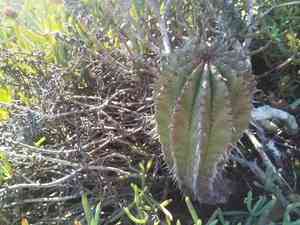
The ideal period for relocating african milk barrel is from the latter part of spring to the middle of summer, facilitating a seamless adjustment. Choose a luminous, sun-drenched spot with soil that drains effectively for peak development. Handle african milk barrel with care during its transfer.
What Preparations are Needed Before Transplanting African Milk Barrel?
What is the Ideal Time for Transplanting African Milk Barrel?
The most favorable period for relocating african milk barrel is during the pleasant warmth of early summer. This timing allows the root system to become established before colder periods. Moving african milk barrel in this season aligns with the plant's natural growth cycle, promoting root development and reducing stress. A friendly word with your african milk barrel during this phase might show its appreciation for the thoughtful timing!
How Much Space Should You Leave Between African Milk Barrel Plants?
Greetings! Before moving your african milk barrel, let's ensure they have ample room to expand. Aim for spacing them 15-18 inches (38-45 cm) apart. This provides each plant sufficient area to thrive without crowding.
What is the Best Soil Mix for African Milk Barrel Transplanting?
For thriving african milk barrel, combine a well-draining soil with some gritty material, such as sand or perlite. Incorporate a low-nitrogen, slow-release fertilizer to give them a gentle boost. This should create a comfortable environment for roots to flourish!
Where Should You Relocate Your African Milk Barrel?
Your african milk barrel loves soaking up the sun! Select a spot that receives full sunlight for at least 6 hours daily. Partial shade is also acceptable, but ensure those rays keep your plant warm and content.
What Equipments Should You Prepare Before Transplantation African Milk Barrel?
Gardening Gloves
To safeguard your hands while handling soil and the plant.
Shovel or Spade
For excavating the plant and preparing the new planting site.
Pruning Shears
To trim any damaged roots or foliage.
Watering Can or Hose
For hydrating the african milk barrel before and after relocation.
Tarp or Plastic Sheet
To transport the african milk barrel and maintain a tidy work area.
Wheelbarrow
Optional, for moving the african milk barrel and soil if necessary.
How Do You Remove African Milk Barrel from the Soil?
How Do You Remove African Milk Barrel from the Soil?
From Ground: Hydrate the african milk barrel to moisten the soil, which will facilitate the removal process. Then, excavate a wide perimeter around the plant using a shovel or spade. The trench should be deep enough to preserve the root ball. Carefully slide the spade beneath the root ball to lift the plant out without harming the roots.From Pot: Start by watering the soil in the pot to make extraction easier. Turn the pot on its side and gently tap the edges to loosen the african milk barrel. If it doesn't slide out, you might need to cut the pot away. Handle the plant by the root ball, not by the stem or leaves.From Seedling Tray: Water the soil to prevent root damage. Gently push the african milk barrel up from the bottom of the cell or use a small tool to ease it out. Hold the seedling by the leaves, not the delicate stem.
Step-by-Step Guide for Transplanting African Milk Barrel
Digging Hole
Excavate a hole in your chosen spot that is twice as wide and the same depth as the root ball of the african milk barrel.
Preparing Root Ball
Examine the root ball, using pruning shears to remove any damaged or excessively long roots.
Placing the Plant
Position the african milk barrel in the center of the prepared hole. The top of the root ball should be level with the surrounding ground.
Refilling Hole
Carefully backfill the hole with soil around the root ball. Gently firm the soil to eliminate air pockets without compacting it too much.
Initial Watering
Water the african milk barrel thoroughly after planting to settle the soil and remove air pockets. Water should be applied at the base, not over the foliage.
How Do You Care For African Milk Barrel After Transplanting?
Monitoring
Regularly check your african milk barrel to identify any indications of transplant shock, such as wilting or leaf discoloration.
Watering
Establish a consistent watering schedule, keeping the soil around the african milk barrel adequately moist to support new root development.
Support
If necessary, add stakes or supports to keep your african milk barrel stable as it establishes in its new location.
Troubleshooting Common Issues with African Milk Barrel Transplantation.
What's the best way to space african milk barrel when transplanting?
For optimal growth, plant african milk barrel at least 15-18 inches (38-45 cm) apart to ensure ample space.
When is the ideal period to transplant african milk barrel?
The perfect time for transplanting african milk barrel is between late spring and mid-summer for the best root establishment.
How do I prepare the soil for african milk barrel transplantation?
Ensure a well-draining soil mixture; sandy or gritty soil is ideal for african milk barrel's growth and health.
What's the correct depth to plant african milk barrel's roots?
Plant african milk barrel's roots just below the surface, ensuring the root-ball is level with the soil line.
How do I water african milk barrel after transplanting?
Water african milk barrel generously right after transplanting, then wait for the soil to dry out before the next watering.
Should I prune african milk barrel before or after transplanting?
Trimming isn't typically necessary before transplanting. Focus on removing any damaged parts post-transplant.
Can african milk barrel be transplanted under direct sunlight?
After transplanting, provide african milk barrel with a spot that receives indirect light to prevent sunburn while it settles in.
What are the signs of transplant shock in african milk barrel?
Droopy or yellowing leaves can indicate transplant shock. Keep african milk barrel's soil moist and provide shade to recover.
How do I handle african milk barrel's roots during transplanting?
Gently tease out african milk barrel's roots to encourage spreading, and handle with care to prevent damage.
Is fertilizing african milk barrel necessary after transplanting?
Wait to fertilize african milk barrel until it shows new growth, indicating it has adapted to the new location.



