How to Transplant Cliff spurge?
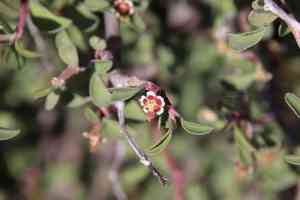
Relocating cliff spurge is most successful after the last frost, initiating a phase of vigorous development. Select a location featuring adequately draining earth and providing dappled sunlight. Careful manipulation of the root ball will ensure a smooth acclimatization.
Essential Preparations Before Relocating Cliff Spurge
Optimal Timing for Relocating Cliff Spurge?
The best period for moving cliff spurge is the spring season, a time of renewal and vigorous development. During this phase, cliff spurge benefits from extended daylight and moderate temperatures, creating an ideal setting for root establishment and post-relocation recovery. This strategic timing leverages the natural growth cycle to ensure cliff spurge flourishes in its new spot, minimizing shock and speeding up adaptation.
Required Spacing Between Cliff Spurge Plants?
When relocating cliff spurge, ensure adequate room for each plant to expand. A separation of approximately 2-3 feet (60-90 cm) is ideal. This provides sufficient soil and sunlight, preventing overcrowding in your garden.
Ideal Soil Blend for Cliff Spurge Relocation?
Prepare the area where cliff spurge will reside with a soil mixture that drains well, preferably sandy or loamy. Before planting, enrich the soil with a balanced, slow-release foundational fertilizer to give the plants a head start.
Optimal Placement for Your Cliff Spurge?
Select a site that receives ample sunlight. Cliff spurge thrives in sun, so a location with at least 6 hours of direct sunlight daily would be perfect. If possible, shield them from intense, midday sun.
Tools to Prepare Before Relocating Cliff Spurge?
Gardening Gloves
These are crucial for safeguarding your hands from sharp implements, insects, or potentially irritating flora.
Shovel or Spade
Useful for excavating holes and moving earth, particularly when extracting the cliff spurge from its initial position.
Gardening Trowel
A smaller implement excellent for delicate tasks such as freeing the cliff spurge from containers or trays.
Pruning Shears
You'll need these to trim any damaged roots or foliage.
Watering Can
Essential for hydrating the cliff spurge before and after relocation.
Wheelbarrow
To transport the plant and soil if necessary.
How to Extract Cliff Spurge from the Soil?
How to Extract Cliff Spurge from the Soil?
From Ground: Begin by watering your cliff spurge plant to moisten the soil. This will facilitate easier removal and minimize root damage. Use a shovel or spade to dig a wide trench around the cliff spurge, being careful not to harm the root ball. Once sufficient space is created, work the spade beneath the root ball and gently lift the plant from the ground.From Pot: If your cliff spurge is in a container, start by watering the plant. Turn the pot sideways, hold the cliff spurge near its base, and gently pull the plant free. If it's stuck, try loosening the soil around the edges with a trowel.From Seedling Tray: For young plants, ensure you water before beginning. Use a trowel or similar tool to carefully remove the cliff spurge along with its surrounding soil.
Step-by-Step Guide for Relocating Cliff Spurge
Preparation
After successfully removing the cliff spurge from its original spot, prepare the new location. Dig a hole twice the size of the root ball using a shovel.
Placement
Gently position the cliff spurge in the hole and spread its roots. The top of the root ball should be level with or slightly below the surface.
Backfill
Fill the hole with the excavated soil. Lightly firm the soil to eliminate air pockets and stabilize the cliff spurge.
Watering
Once the cliff spurge is in place, water it thoroughly with a watering can. This is crucial for settling the soil around the roots.
Update
Over the subsequent weeks, observe the cliff spurge. Water regularly, trim any dead or yellowing leaves, and stake the plant if needed.
Post-Relocation Care for Cliff Spurge
Monitoring
Keep a close watch on your cliff spurge for a period after relocation to ensure it's adapting well. Look for signs of distress, such as wilting or yellowing leaves. If these appear, check water, light, and potential pest issues.
Watering
Appropriate watering is especially vital immediately after relocation; ensure the soil remains moist but not waterlogged.
Pruning
If you notice any dying or dead foliage, trim them away to direct the cliff spurge's energy towards new growth.
Support
Depending on the size of the cliff spurge, you might need to prop it up with a garden stake to aid its upright growth.
Addressing Common Issues with Cliff Spurge Relocation.
When is the optimal time to relocate cliff spurge?
While cliff spurge can be resilient, the ideal relocation period is during the early to mid-stages of the new growing year, roughly equivalent to S1-S3.
What spacing is perfect for cliff spurge when planting?
To ensure proper growth and spread, cliff spurge should ideally be spaced 2-3 feet (60-90 cm) apart.
Should cliff spurge be watered immediately after relocation?
Yes, this will help settle the soil around the roots. Ensure the water reaches the deeper roots but avoid overwatering to prevent root rot.
What size should the relocation hole be for cliff spurge?
The hole should be twice as wide as the root ball and of equal depth to ensure roots can comfortably spread.
What kind of soil does cliff spurge prefer when relocating?
Cliff spurge prefers well-draining soil. Too much clay can cause the roots to become waterlogged. Adding some sand can improve drainage.
How do I ensure the cliff spurge is relocated at the correct depth?
The top of cliff spurge's root ball should be level with or slightly below the surface of the garden soil. Burying the stems can cause rot.
Can I relocate cliff spurge into a pot?
Yes, cliff spurge can be grown in a pot. Just ensure that the pot is large enough for the root system and has proper drainage.
How do I care for cliff spurge immediately after relocation?
Gently water cliff spurge and keep in a bright but indirectly lit spot. Monitor the plant closely for signs of stress or disease for a few weeks.
What if the relocated cliff spurge shows signs of wilting?
A little stress after relocating cliff spurge is normal. Keep it watered but not soaking and protect from harsh sun and wind until it rebounds.
Can I fertilize cliff spurge right after relocating?
Hold off on fertilizing cliff spurge immediately after relocating. Allow the plant to adjust to its new environment. Applying fertilizer can be done after a few weeks.



