How to Transplant Snow-on-the-mountain?
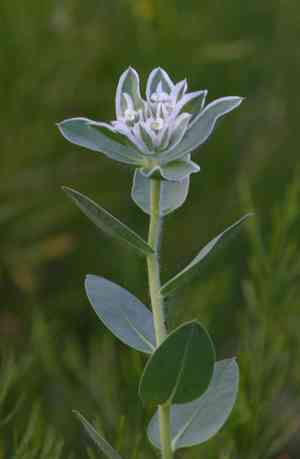
The ideal period for transplanting snow-on-the-mountain is in early spring, as the combination of mild weather and increasing daylight hours encourages vigorous development. Select a bright spot with soil that drains effectively; when moving juvenile plants, exercise caution to safeguard their fragile root systems.
Essential Preparations Before Relocating Snow-on-the-mountain
Optimal Timing for Transplanting Snow-on-the-mountain
For snow-on-the-mountain, the arrival of spring's mild temperatures offers an ideal window for relocation. This period allows snow-on-the-mountain to become established prior to the peak of the growing season. By selecting this time, you give snow-on-the-mountain a head start in gentler conditions, promoting strong root development and smooth acclimation. These initial months are vital, leading to a vigorous specimen well-prepared for the vibrant summer ahead.
Recommended Spacing Between Snow-on-the-mountain Plants
Happy to assist! For snow-on-the-mountain, position plants approximately 1-2 feet (30-60 cm) apart. This provides ample room for them to spread and achieve optimal growth. Just like people, plants also require their personal space, don't they?
Best Soil Mixture for Snow-on-the-mountain Transplanting
Regarding soil, your snow-on-the-mountain thrives in well-drained earth enriched with organic compost or a slow-release base fertilizer. Preparing such soil will offer them a comfortable environment to flourish and expand. Enjoy your planting!
Choosing a New Location for Your Snow-on-the-mountain
Location is indeed important! Your snow-on-the-mountain prefers full sun to partial shade. Therefore, select a spot that receives 6-8 hours of sunlight daily. Similar to our need for light to see, your snow-on-the-mountain requires it for healthy development!
Tools Required Before Transplanting Snow-on-the-mountain
Gardening Gloves
To protect your hands from soil and any potential thorns or sharp leaves of snow-on-the-mountain.
Shovel or Spade
For digging holes and loosening the soil around the plant during its removal and replanting.
Gardening Fork
To carefully lift snow-on-the-mountain without harming its root system during the extraction process.
Watering Can
To provide hydration to snow-on-the-mountain both before and after the transplanting procedure.
Wheelbarrow or Bucket
To move snow-on-the-mountain from its original spot to the new location without causing stress.
Trowel
For digging smaller holes when planting snow-on-the-mountain if they are of a modest size.
Measuring Tape
To ensure the planting hole is excavated to the correct dimensions for snow-on-the-mountain.
Mulch
To aid in retaining soil moisture after the transplant.
How to Extract Snow-on-the-mountain from the Soil
How to Extract Snow-on-the-mountain from the Soil
From Ground: First, dampen the soil around snow-on-the-mountain with water. Dig a wide circle around snow-on-the-mountain using a spade or shovel, leaving ample space to keep the root mass intact. Gently lift the plant from the ground with a gardening fork, ensuring the root ball remains undisturbed.From Pot: Before removal, water snow-on-the-mountain generously. Grasp the base of snow-on-the-mountain, invert the pot, and gently shake to loosen the root ball. Carefully pull out snow-on-the-mountain, supporting the root ball.From Seedling Tray: Gently press the bottom of each cell to release snow-on-the-mountain seedlings. Remember to handle snow-on-the-mountain seedlings by their leaves to prevent damage to the stems or roots.
Detailed Guide for Transplanting Snow-on-the-mountain
Preparation
Before transplanting snow-on-the-mountain, prepare the planting site and dig a hole twice the width of the root ball and the same depth. Lightly spray water if the soil is dry.
Inspect Roots
Examine the root ball of snow-on-the-mountain. If the roots are densely packed, gently untangle them. This encourages new root growth into the surrounding soil.
Position snow-on-the-mountain
Carefully place snow-on-the-mountain in the hole, confirming that it is neither too deep nor too shallow.
Backfilling
Gradually refill the hole with the excavated soil, firming the soil as you proceed to eliminate any air pockets.
Final Watering
Water snow-on-the-mountain generously to settle the remaining soil around the roots. Keep the soil moist but avoid saturation.
Post-Transplantation Care for Snow-on-the-mountain
Monitoring
Observe snow-on-the-mountain closely for several weeks following transplantation. If snow-on-the-mountain exhibits signs of shock such as wilting or leaf loss, ensure proper watering and that the environment is not excessively hot or cold.
Pruning
Remove any dead or damaged foliage from snow-on-the-mountain to direct growth energy towards new leaf production.
Pest and Disease Control
Watch for pests and indications of disease. Early intervention will give snow-on-the-mountain the best chance for recovery.
Fertilizer
Wait at least one month before applying lightly recommended fertilizers. Fertilizing too soon can harm the roots of snow-on-the-mountain.
Addressing Common Issues During Snow-on-the-mountain Transplantation
When is the optimal time to transplant snow-on-the-mountain?
The ideal period to transplant snow-on-the-mountain is during season 'S1'. This promotes superior root establishment and plant development.
What is the recommended spacing for planting snow-on-the-mountain?
Each snow-on-the-mountain plant should be positioned approximately 1-2 feet (30-60 cm) apart. This provides sufficient room for them to grow and flourish.
How should the soil be prepared for transplanting snow-on-the-mountain?
Gently loosen the soil with a garden fork before incorporating organic compost or manure. This enriches the earth and helps snow-on-the-mountain to settle in.
Should I water snow-on-the-mountain before or after transplanting?
Water snow-on-the-mountain thoroughly after transplanting. This helps settle the soil around the roots and aids in their establishment in the new planting area.
Is pruning necessary for snow-on-the-mountain during transplanting?
Pruning is generally not required during transplanting. However, if the plant is overgrown, you can lightly prune for shape and size management.
What type of soil does snow-on-the-mountain prefer?
Snow-on-the-mountain thrives best in well-drained, fertile soil. They can tolerate various soil types as long as it is not waterlogged.
Does snow-on-the-mountain require sunlight after transplanting?
Yes, snow-on-the-mountain loves sunlight! Ensure it is placed where it can receive ample sun. Partial shade can also be tolerated.
How to ensure proper root establishment for snow-on-the-mountain after transplant?
Water consistently and apply a layer of mulch around the plant. Mulching helps maintain soil moisture and encourages healthy root establishment.
What should I do if snow-on-the-mountain shows signs of transplant shock?
If signs of shock like wilting or leaf drop appear, reduce sun exposure and increase watering. Be patient, as recovery may take time.
Can I use a fertilizer after transplanting snow-on-the-mountain?
Yes, apply a slow-release fertilizer after transplanting, especially if the soil lacks nutrients. However, remember that too much can harm the plant.



