How to Transplant Spotted spurge?
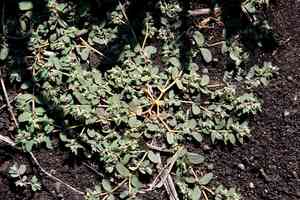
The arrival of warmer weather frequently signals the opportune moment to relocate spotted spurge, leveraging its strong development. Best placed in brightly lit areas, confirm that spotted spurge is carefully positioned in soil that drains effectively, promoting sturdy well-being.
What Preparations are Needed Before Transplanting Spotted Spurge?
What is the Ideal Time for Transplanting Spotted Spurge?
The period just after the last frost, when the ground begins to warm, is ideal for planting spotted spurge. This gentle warmth encourages strong root development, ensuring the plant thrives in its new spot. Choosing this time of renewal allows spotted spurge the full growing season to flourish, enhancing your garden with minimal effort. This timing also lets spotted spurge establish itself before summer stresses, providing a solid base for the heat.
How Much Space Should You Leave Between Spotted Spurge Plants?
When preparing spotted spurge for relocation, remember to position each plant approximately 1 foot (30 cm) apart. This provides sufficient room for growth and expansion without competition for nutrients and sunlight.
What is the Best Soil Mix for Spotted Spurge Transplanting?
The optimal soil for spotted spurge must drain well, as the plant dislikes standing water. A blend of sandy or loamy soil provides an excellent foundation. A balanced garden fertilizer, such as 10-10-10, will supply essential nutrients for the young plant's development.
Where Should You Relocate Your Spotted Spurge?
When selecting the perfect location for spotted spurge, remember its preference for full sunlight. Aim for a garden spot that receives several hours of direct sun daily. However, partial shade is also acceptable if full sun isn't an option.
What Equipments Should You Prepare Before Transplantation Spotted Spurge?
Gardening Gloves
To safeguard your hands while handling soil and spotted spurge.
Garden Trowel
Features a sharp, pointed tip for digging small holes, useful for extracting spotted spurge from its original spot and planting it elsewhere.
Watering Can
For hydrating the plant both before and after the transplanting process, to facilitate removal and encourage new root growth.
Garden Spade
Larger and more rectangular than a trowel, used for excavating bigger holes and moving larger soil masses.
Hand Pruning Shears
To trim any broken or damaged roots during the transplant process.
Measuring Tape
To ensure precise spacing between plants if you are relocating multiple spotted spurge.
How Do You Remove Spotted Spurge from the Soil?
How Do You Remove Spotted Spurge from the Soil?
From Ground: Begin by watering the spotted spurge plant to moisten the soil, making it softer and easier to manage. Then, using your garden spade, carefully dig a wide trench around the plant, ensuring the root ball remains intact. With a gentle lift of the spade, remove the plant from its initial position.From Pot: First, water the plant thoroughly to dampen the soil. Next, tilt the pot to one side, gently ease the plant out, remembering to support the base to prevent root damage. Avoid pulling directly from the stems as this may harm the plant.From Seedling Tray: Ensure the seedlings are well-hydrated, then carefully lift the spotted spurge out of its cell by pushing up from the bottom. Hold the seedling by the leaves to minimize potential damage to the stem and root system.
Step-by-Step Guide for Transplanting Spotted Spurge
Data Collection
Gather as much information as possible about spotted spurge before beginning the transplant. Understanding its growth habits, root system, and specific needs will contribute to a successful transplant.
Careful Uprooting
Follow the previously mentioned steps to extract spotted spurge from its initial location. Pay close attention to the root structure and remove as much of it as feasible.
Prepping New Location
Excavate a hole in the ground roughly twice the width and the same depth as the root ball of spotted spurge.
Laying the Groundwork
Before planting spotted spurge, ensure the roots are moist and any damaged ones are trimmed.
Planting spotted spurge
Position the spotted spurge plant in the prepared hole, gently covering the roots with soil, pressing it down firmly.
Hydration
Finally, water the spotted spurge plant thoroughly but gently to avoid washing away the soil or harming the plant.
How Do You Care For Spotted Spurge After Transplanting?
Pruning
After a few days, any leaves damaged or dead due to transplant stress should be trimmed to redirect energy towards root development and new growth.
Regular Watering
While spotted spurge is establishing, ensure it receives consistent watering. This aids the roots in settling into their new environment. However, avoid overwatering to prevent root rot.
Monitoring
Observe your spotted spurge for several weeks to confirm it is adapting well to its new location. A successful transplant should show signs of new growth in the subsequent weeks.
Protection
Shield the transplanted spotted spurge plant from pests and harsh weather conditions until it is fully settled in its new environment.
Troubleshooting Common Issues with Spotted Spurge Transplantation.
When is the best time to transplant spotted spurge?
The optimal season for relocating spotted spurge is during S1. This period offers the highest probability for successful establishment.
What should be the ideal distance between two spotted spurge plants while transplanting?
To allow ample room for growth, each spotted spurge plant should be positioned approximately 1 foot (about 30 cm) apart from one another.
How deep should I plant spotted spurge during transplantation?
Plant spotted spurge at the same depth they were originally growing. They prefer shallow planting, with the root ball level with the soil surface.
How much water does spotted spurge need after transplanting?
Following transplantation, spotted spurge requires thorough watering to settle the soil. Subsequently, provide moderate but consistent irrigation, keeping the soil slightly moist.
What kind of soil is best for transplanting spotted spurge?
Spotted spurge thrives in well-drained, fertile soil. If the soil is clayey or sandy, enrich it with abundant organic matter before transplanting.
How do I prepare the transplantation site for spotted spurge?
First, clear the area of weeds and debris. Then, cultivate the soil to a depth of 8-10 inches (20-25 cm), incorporating compost for enrichment.
What do I do if the transplanted spotted spurge is wilting?
Wilting after transplantation may indicate insufficient water. Provide a deep watering. If wilting persists, check for root diseases or pest infestations.
Can I transplant spotted spurge in pots?
Yes, you can transplant spotted spurge into containers. Ensure they are large enough to accommodate growth and have excellent drainage to prevent waterlogging.
How much sunlight is required for spotted spurge after transplantation?
Spotted spurge flourishes in full sun to partial shade. Position the plant to ensure it receives approximately 6 hours of sunlight daily.
Should I prune spotted spurge after transplanting?
Pruning immediately after transplantation is not necessary. However, once the plant is established, periodic trimming will help spotted spurge maintain its shape and encourage denser growth.



