How to Transplant Caper spurge?
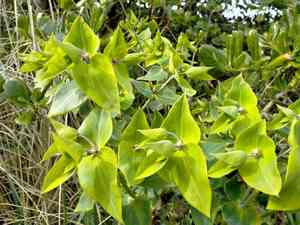
The most favorable period for relocating caper spurge is within the mild conditions of early to late spring, facilitating excellent root development. The perfect spot requires soil that drains effectively and receives ample sunlight. Guarantee adequate soil hydration and refrain from burying too deeply to foster vigorous development.
Essential Preparations Before Moving Caper Spurge?
Optimal Period for Relocating Caper Spurge?
Moving caper spurge right after the last frost, as the ground warms, provides the best beginning. This timeframe, typically from the first delicate buds of the year until the garden is vibrant with new life, ensures mild temperatures and increasing daylight support robust root growth and adaptation. Transplanting caper spurge during this window maximizes survival, leveraging its natural growth cycle for an early season advantage. With gentle weather and soil conditions perfect for tender roots, your caper spurge is set to flourish!
Required Spacing Between Caper Spurge Plants?
When relocating caper spurge, allow sufficient room for each plant to thrive. Position them approximately 12 inches (30 cm) to 3 feet (91 cm) apart. This provides ample growing space and air circulation, crucial for their health.
Ideal Soil Blend for Caper Spurge Relocation?
Your caper spurge will prosper in soil that drains well. Aim for a loamy mixture and enrich it with a balanced, slow-release plant food prior to planting. This gives caper spurge a strong base for development.
Recommended New Location for Your Caper Spurge?
Select a sunny spot for your caper spurge as they prefer direct sunlight. A site receiving at least 6 hours of direct daylight will make your caper spurge happiest, promoting vigorous and healthy growth.
Tools Needed Before Transplanting Caper Spurge?
Gardening Gloves
To safeguard your hands while handling soil and plants.
Shovel or Spade
For digging up the caper spurge and preparing the new planting hole.
Watering Can
To hydrate the caper spurge before and after moving to lessen shock.
Pruning Shears
To trim any damaged roots or foliage if necessary.
Garden Fork
To loosen the soil, making it easier to extract the caper spurge.
Wheelbarrow or Planting Cart
To move the caper spurge from its original spot to the new transplant site.
Mulch
To help retain soil moisture and reduce weed competition around the newly transplanted caper spurge.
Measuring Tape
To ensure proper spacing between plants during transplantation.
Tarp or Burlap
To support the root ball and soil when relocating the plant.
How to Extract Caper Spurge from the Ground?
How to Extract Caper Spurge from the Soil?
From Ground: Hydrate the caper spurge to moisten the soil. Use a garden fork or spade to dig a wide circle around the plant without harming its root ball. Angle the spade beneath the root ball and gently lift the caper spurge from the ground.From Pot: Start by watering the caper spurge to dampen the soil, which helps minimize root stress during relocation. Tilt the pot sideways and gently tap to loosen the root ball. Grasp the plant by its base and carefully slide it out of the pot.From Seedling Tray: Water the seedlings thoroughly before moving them. Use a small implement, such as a dibber or a spoon, to carefully lift each seedling without damaging its delicate roots, handling it by the leaves rather than the stem.
Step-by-Step Guide for Relocating Caper Spurge
Transplant Timing
Ensure you're moving the caper spurge on a cool, overcast day, preferably late afternoon, to avoid sun-induced stress.
Prepare New Site
Dig a hole in the chosen area that is twice as wide and the same depth as the caper spurge's root ball to encourage root spread.
Root Untangling
Inspect the caper spurge's roots. If they are circling or matted, gently separate them with your fingers to promote outward growth.
Positioning Plant
Place the caper spurge in the center of the hole, ensuring it sits at the same depth it was previously growing. The transition should be as smooth as possible to minimize shock.
Fill In Soil
Carefully backfill the hole around the caper spurge's root ball with the excavated soil, patting down lightly to remove air pockets, being careful not to harm the roots.
Watering In
Thoroughly water the area around the caper spurge after planting to settle the soil and eliminate air pockets.
Add Mulch
Apply a layer of mulch around the base of the caper spurge to help retain moisture and regulate soil temperature, taking care to keep mulch away from the plant's stem.
Stabilize
If the caper spurge is particularly large or in a windy location, consider staking it for support until it develops sufficient root growth to stand independently.
Post-Transplantation Care for Caper Spurge
Initial Watering
Keep the soil around the caper spurge moist for the first few weeks after transplanting. Water deeply rather than frequently to encourage strong root development.
Monitor
Regularly check the caper spurge for signs of stress like wilting or discolored leaves and address any issues promptly.
Weed Control
Remove any weeds that emerge near the caper spurge to reduce competition for nutrients and water.
Reassess Stakes
If you've staked your caper spurge, ensure the ties are not too tight and are adjusted as needed to prevent stem damage.
Seasonal Care
Prepare for approaching harsh weather by providing the caper spurge with appropriate protection, such as frost covers in cold temperatures.
Addressing Common Issues with Caper Spurge Transplantation.
When is the best time to transplant caper spurge?
Relocate caper spurge during early to late spring for optimal growth and establishment in your garden.
What spacing is ideal for caper spurge when transplanting?
Space caper spurge between 12 inches (30 cm) and 3 feet (90 cm) to ensure adequate room for growth.
How can I tell if caper spurge is ready to be transplanted?
Look for a well-developed root system and new growth, indicating it's a good time to move caper spurge.
What kind of soil is best for transplanting caper spurge?
Use well-draining soil, rich in organic matter, to give caper spurge a healthy start in its new location.
How deep should I plant caper spurge?
Ensure the root ball of caper spurge is just below the soil surface without burying the stem.
Can I transplant caper spurge on a hot, sunny day?
It's best to transplant caper spurge on a cloudy day or in the late afternoon to reduce transplant shock.
How much should I water caper spurge after transplanting?
Water thoroughly after transplanting to settle the soil around caper spurge's roots, then regularly to maintain moisture.
Should I apply fertilizer when transplanting caper spurge?
Wait a few weeks after transplanting before applying a balanced fertilizer to caper spurge to avoid root burn.
What if the leaves of caper spurge wilt after transplanting?
Slight wilting is normal; ensure proper watering and shade from intense sun until caper spurge recovers.
Can I transplant caper spurge if it has started flowering?
It's possible, but transplanting before or after flowering allows caper spurge to focus on root development.



