How to Transplant Mottled spurge?
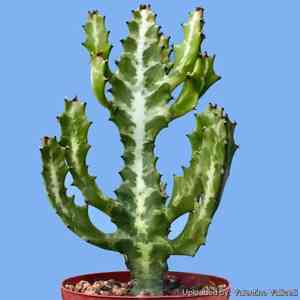
The ideal period for relocating mottled spurge spans from the end of spring to the middle of summer, since elevated temperatures foster robust development. Select a site with good drainage and filtered sunlight to ensure the best outcome. During the relocation process, manage the plant with care, preventing any harm to its delicate root system.
What Preparations are Needed Before Transplanting Mottled Spurge?
What is the Ideal Time for Transplanting Mottled Spurge?
The optimal period to move mottled spurge is from late spring through mid-summer. This timeframe aligns with the plant's active growth, minimizing transplant shock. Relocating mottled spurge during these months ensures strong development and a high survival rate, adding a vibrant green touch to your garden. A well-timed transplant will provide mottled spurge with a lovely new home, supporting its journey. So, prepare your gardening gloves for this crucial, rewarding task.
How Much Space Should You Leave Between Mottled Spurge Plants?
When transplanting mottled spurge, maintain a distance of 6-12 inches (15-30 cm) between plants. This provides sufficient room for root development and overall plant vigor.
What is the Best Soil Mix for Mottled Spurge Transplanting?
Prepare a soil that drains well, such as a cactus blend or sandy loam, for mottled spurge. Incorporate some slow-release granular fertilizer into the soil to supply essential nutrients and encourage robust growth.
Where Should You Relocate Your Mottled Spurge?
Select a site where mottled spurge receives full to partial sun, ideally 6-8 hours of sunlight daily. This will ensure optimal development and enhance its vivid coloration.
What Equipments Should You Prepare Before Transplantation Mottled Spurge?
Gardening Gloves
To shield your hands from scrapes and dirt when handling mottled spurge.
Garden Shovel or Spade
Used for excavating the plant and/or preparing the new planting site.
Garden Trowel
This smaller implement is useful for extracting mottled spurge from containers or seedling trays.
Watering Can
For hydrating the plant both before and after the transplanting process.
Pruning Shears
To remove any damaged or dead portions of the mottled spurge prior to transplantation.
Organic Compost
To blend with the existing soil in the new planting hole for an added nutrient boost.
Mulch
To cover the newly transplanted mottled spurge to retain soil moisture and stabilize soil temperature.
How Do You Remove Mottled Spurge from the Soil?
How Do You Remove Mottled Spurge from the Soil?
From Ground: Hydrate the mottled spurge a few hours before transplanting to moisten the soil. This helps keep the root ball intact during excavation. Use a garden shovel or spade to dig around the perimeter of the plant's root zone. Proceed carefully to maintain the root ball's integrity, then gently lift the plant.From Pot: Water the mottled spurge to dampen the soil. Tilt the pot sideways, and gently tap the edges to loosen the soil and roots. If the plant doesn't slide out, you may need to apply more pressure, or cut the pot away in difficult situations.From Seedling Tray: Ensure the mottled spurge is well-watered. Use a garden trowel or similar tool to carefully extract the seedling, retaining as much soil with the roots as possible.
Step-by-Step Guide for Transplanting Mottled Spurge
Preparation
Water the mottled spurge before beginning the transplant process. Remove any dead or damaged foliage.
Digging
Excavate a hole in the new location that is twice as wide and equally as deep as the mottled spurge's root ball.
Planting
Position the mottled spurge in the hole, ensuring it sits at the same depth as it did previously. Gently backfill the hole with the soil and compost mixture, pressing down lightly to eliminate air pockets.
Watering
Thoroughly water the mottled spurge after it has been transplanted. This will help settle the soil around its roots.
Mulching
Apply a layer of mulch around the base of mottled spurge, avoiding direct contact with its stems, to help conserve moisture and regulate soil temperature.
How Do You Care For Mottled Spurge After Transplanting?
Monitoring
Inspect the mottled spurge daily to confirm its adaptation to the new site. Watch for signs of stress such as wilting or yellowing leaves, and adjust its environmental conditions as needed.
Watering
Water the mottled spurge regularly for the initial few weeks. The soil must remain moist (but not waterlogged) to aid mottled spurge in establishing its roots in the new location.
Pruning
Lightly prune mottled spurge after transplanting to encourage denser growth and help it conserve energy. Be careful not to remove more than 1/3 of the plant in a single pruning session.
Fertilizing
Avoid applying any additional fertilizers until mottled spurge has settled into its new location to prevent overwhelming the plant.
Troubleshooting Common Issues with Mottled Spurge Transplantation.
What is the ideal time to transplant mottled spurge?
The optimal period to relocate mottled spurge is typically from late spring until mid-summer.
What range of space should be maintained while transplanting mottled spurge?
Keep mottled spurge spaced approximately 6-12 inches (15-30 cm) apart. This provides ample room for proper growth.
What is the optimal soil condition for transplanting mottled spurge?
Mottled spurge thrives in well-drained soil enriched with organic matter for enhanced fertility.
What care should be taken while removing mottled spurge from the existing spot?
Exercise caution when extracting mottled spurge. Ensure you carefully dig around the roots without causing unnecessary damage.
What's the ideal pot size when transplanting mottled spurge indoors?
A pot with a diameter of about 10-12 inches (25-30 cm) is perfect for mottled spurge to ensure healthy indoor growth.
How deep should mottled spurge be planted after transplantation?
Mottled spurge should be planted at the same depth as it was in its original spot, neither deeper nor shallower.
What are the watering requirements for mottled spurge post-transplant?
Mottled spurge does not require frequent watering. It's best to allow the topsoil to dry out between watering sessions.
Does mottled spurge require fertilizing after being transplanted?
Following the transplant of mottled spurge, a light application of slow-release fertilizer can promote healthier growth and recovery.
Should mottled spurge be pruned immediately after transplanting?
Pruning is not immediately necessary post-transplant. It's advisable to let mottled spurge acclimate before performing any significant pruning.
Can mottled spurge handle direct sunlight after transplant?
Mottled spurge prefers bright, indirect light. Exposing the plant to intense direct sunlight right after transplant could induce stress.



