How to Transplant Euphorbia jolkinii?
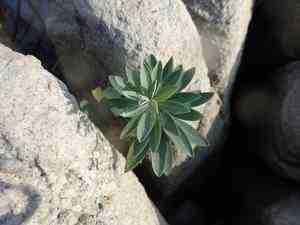
Euphorbia jolkinii flourishes when relocated between mid-summer and early autumn, benefiting from consistent temperatures. Choose a bright spot with soil that drains efficiently. Make sure to irrigate deeply after moving, enabling the root system to properly settle.
What Preparations are Needed Before Transplanting Euphorbia Jolkinii?
What is the Ideal Time for Transplanting Euphorbia Jolkinii?
The best time for relocating euphorbia jolkinii is from the beginning to the end of summer. This period allows the plant to establish roots in warm ground and benefit from ample sunlight, promoting growth and resilience. Moving euphorbia jolkinii during this window maximizes successful establishment and minimizes transplant shock, ensuring strong development throughout the growing season.
How Much Space Should You Leave Between Euphorbia Jolkinii Plants?
Position euphorbia jolkinii plants 18-24 inches (45-60 cm) apart. This provides sufficient room for them to grow and flourish without competing for resources. Proper spacing also helps prevent diseases by enhancing air circulation around the plants.
What is the Best Soil Mix for Euphorbia Jolkinii Transplanting?
For euphorbia jolkinii, prepare a well-draining soil mixture with a pH ranging from neutral to slightly acidic (6.0-7.0). Incorporate a foundational fertilizer, such as a balanced 10-10-10 blend, to supply essential nutrients. Mix in organic matter like compost to enhance soil health and structure.
Where Should You Relocate Your Euphorbia Jolkinii?
Select a sunny spot for transplanting the euphorbia jolkinii. This plant thrives in full sunlight, so choose an area that receives at least 6-8 hours of direct sun daily. Ensuring adequate light will encourage robust growth and vibrant blooms.
What Equipments Should You Prepare Before Transplantation Euphorbia Jolkinii?
Gardening Gloves
To safeguard your hands while handling soil and plants.
Shovel or Spade
For excavating the planting hole and extracting the plant from its original spot.
Trowel
To assist in working around the root system when removing and replanting.
Watering Can or Hose
To hydrate the plant before and after the relocation process.
Mulch
To help maintain moisture and regulate soil temperature around the newly planted euphorbia jolkinii.
Pruners
For trimming any damaged roots or excess foliage.
Stake and Ties
To support the plant if needed during its initial establishment phase after transplanting.
How Do You Remove Euphorbia Jolkinii from the Soil?
How Do You Remove Euphorbia Jolkinii from the Soil?
From Ground: First, water the euphorbia jolkinii plant to moisten the soil. Then, dig a wide trench around the plant using a shovel or spade, ensuring the plant's root ball remains intact. Carefully work the spade beneath the root ball to lift the plant from its original location.From Pot: Water the euphorbia jolkinii plant thoroughly before removal. Gently tap around the pot to loosen the soil, then invert the pot while supporting the plant's base. Slide the plant out, checking that the roots are undamaged.From Seedling Tray: Water the seedlings well before removal. Using a trowel or your fingers, gently ease the euphorbia jolkinii seedling out by scooping under the root system, taking care not to harm the roots.
Step-by-Step Guide for Transplanting Euphorbia Jolkinii
Site Preparation
Prepare the new site by digging a hole that is twice as wide and as deep as the euphorbia jolkinii's root ball. This allows the roots to spread out easily in the fresh soil.
Removal and Inspection
Carefully extract the euphorbia jolkinii from its original spot (ground, pot, or seedling tray) and examine the roots. Trim any damaged or overly long roots using pruners.
Planting
Position the euphorbia jolkinii in the center of the prepared hole. Ensure the top of the root ball is level with the surrounding soil surface. Backfill the hole with soil, gently pressing down to eliminate air pockets.
Watering
Water the plant thoroughly after planting to help settle the soil around the roots. Ensure the water penetrates deeply into the soil where the root system is located.
Staking (if necessary)
If the euphorbia jolkinii is a larger specimen, consider using a stake and ties to provide support while it establishes itself. Place the stake a few inches away from the stem to avoid damaging the roots.
How Do You Care For Euphorbia Jolkinii After Transplanting?
Watering
Keep the soil around the euphorbia jolkinii consistently moist, but not waterlogged, for the initial weeks after transplanting to help establish strong roots.
Mulching
Apply a layer of mulch around the base of the euphorbia jolkinii to help retain soil moisture and regulate temperature. Keep mulch a few inches away from the stem to prevent rot.
Monitoring
Observe the euphorbia jolkinii closely for signs of stress, such as wilting or yellowing leaves, and address any issues promptly. Adjust watering as needed based on weather conditions.
Pruning
After a few weeks, if the euphorbia jolkinii shows damaged or leggy growth, trim it back slightly to encourage healthy new growth and maintain its shape.
Troubleshooting Common Issues with Euphorbia Jolkinii Transplantation.
What's the best time to transplant euphorbia jolkinii?
Early summer to late summer is ideal for transplanting euphorbia jolkinii.
How far apart should I space euphorbia jolkinii plants?
Space euphorbia jolkinii plants 18-24 inches (45-60 cm) apart for optimal growth.
How should I prepare soil for euphorbia jolkinii?
Ensure well-draining soil with added compost for nutrient-rich planting conditions.
How do I water euphorbia jolkinii after transplanting?
Water thoroughly after transplanting and keep soil moist, but not waterlogged.
Should I trim euphorbia jolkinii before transplanting?
Trim dead or damaged leaves to reduce stress during transplanting.
Which tools are best for transplanting euphorbia jolkinii?
Use a trowel and gardening gloves for precise and safe transplanting.
What's the ideal planting depth for euphorbia jolkinii?
Plant euphorbia jolkinii at the same depth it was growing originally.
How do I reduce transplant shock for euphorbia jolkinii?
Transplant in cooler parts of the day and keep soil moist to minimize shock.
How often should I fertilize euphorbia jolkinii after transplanting?
Fertilize every 4-6 weeks with a balanced fertilizer to promote healthy growth.
What are signs of stress in euphorbia jolkinii after transplanting?
Wilting, yellowing leaves, or slow growth indicate stress and require immediate attention.



