How to Transplant David's spurge?
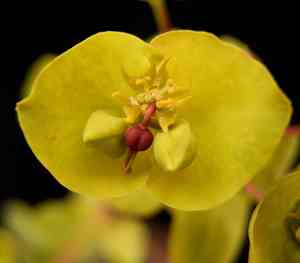
For david's spurge, the ideal period for relocation is from the gentle warmth of late spring through early summer, providing excellent conditions for development. Select a bright location featuring soil that drains effectively to foster robust rooting. Supporting its acclimatization with steady hydration can prove advantageous.
What Preparations are Needed Before Transplanting David's Spurge?
What is the Ideal Time for Transplanting David's Spurge?
The perfect time for moving david's spurge is from the end of spring's chill to the start of summer's warmth. This period is crucial because the mild temperatures and stable conditions encourage strong root development without the stress of extreme heat. By choosing this window, you ensure david's spurge adapts vigorously, setting the stage for robust growth and a burst of life in its new spot.
How Much Space Should You Leave Between David's Spurge Plants?
Prior to relocating david's spurge, it's essential to provide ample room for them to thrive. Position them approximately 12-18 inches (30-46 cm) apart, which allows their root systems to expand comfortably and supports healthy development.
What is the Best Soil Mix for David's Spurge Transplanting?
For thriving david's spurge plants, prepare a well-draining soil rich in organic material. Incorporate a balanced, slow-release fertilizer during planting to give them a nutritious start. A mix with equal parts nitrogen, phosphorus, and potassium would be optimal.
Where Should You Relocate Your David's Spurge?
Select a sunny location for your david's spurge! They flourish in spots that receive full sun to partial shade. Ensuring they get at least 6 hours of daily sunlight will contribute to their vibrant color and strong growth.
What Equipments Should You Prepare Before Transplantation David's Spurge?
Gardening Gloves
To safeguard your hands while handling soil and plants.
Shovel or Spade
For digging up the plant and creating a new planting hole.
Watering Can or Hose
To hydrate the plant before and after its relocation.
How Do You Remove David's Spurge from the Soil?
How Do You Remove David's Spurge from the Soil?
From Ground: Water the david's spurge to moisten the soil, making it easier to work with. Then, dig a wide circle around the plant with a shovel or spade, being careful not to harm the root ball. Use the tool to gently lift the plant out of the ground.From Pot: Water the potted david's spurge to dampen the soil and facilitate removal. Tilt the pot sideways and tap the bottom to loosen the plant. Carefully pull the plant by its base, supporting the root ball as it emerges.From Seedling Tray: Water the tray to simplify extraction. Use a dibber or a small implement to lift the seedling out without disturbing the roots, ensuring the soil around the roots remains intact.
Step-by-Step Guide for Transplanting David's Spurge
Check Health
Confirm the david's spurge is robust and free from signs of stress or illness before moving it.
Water Beforehand
Thoroughly water the david's spurge in its current spot several hours prior to transplanting to lessen shock.
Prepare New Site
Excavate a hole in the ground that is twice the width of the root ball and the same depth to encourage easy root expansion.
Transplant
Carefully position the david's spurge in the center of the new hole, gently spreading out the roots if they are clustered.
Backfill
Delicately fill the hole with native soil around the root ball, patting down softly to remove air pockets.
Water Generously
Irrigate the david's spurge immediately after transplanting to settle the soil and provide moisture to the roots.
How Do You Care For David's Spurge After Transplanting?
Stabilization
Support the david's spurge with stakes if it appears top-heavy or unstable following transplantation.
Mulching
Apply an organic mulch around the base of david's spurge to help retain moisture and regulate soil temperature.
Monitoring
Observe the david's spurge daily for indications of transplant shock, which may include wilting or discolored foliage.
Troubleshooting Common Issues with David's Spurge Transplantation.
What's the best time to transplant david's spurge?
The optimal period for relocating david's spurge is during the ideal window of late spring to early summer.
How far apart should I space david's spurge when transplanting?
Ensure to space david's spurge approximately 12-18 inches (30-45 cm) apart for best growth and air circulation.
Why are my transplanted david's spurge wilting?
Wilting may occur if david's spurge lacks water after transplant, or due to root damage during the move. Ensure gentle handling and sufficient watering.
Can I transplant david's spurge on a hot day?
It's advisable to avoid transplanting david's spurge on a hot day; aim for a cooler, overcast day to minimize stress on the plant.
Should I water david's spurge immediately after transplanting?
Absolutely! Water david's spurge generously right after transplanting to help settle the soil and hydrate the roots.
How should I prepare the soil before transplanting david's spurge?
Prepare the soil by loosening it and incorporating organic matter; this will help david's spurge's roots establish more easily.
My david's spurge looks droopy after transplanting; what should I do?
Droopiness can occur with transplant shock. Keep the soil moist and shield david's spurge from intense sunlight until it recovers.
How deep should the hole be for transplanting david's spurge?
The hole should be just deep enough for the root ball of david's spurge, not deeper to prevent sinking.
Can I fertilize david's spurge right after transplanting?
Wait a few weeks before fertilizing david's spurge to avoid burning its delicate roots while they're still settling in.
How do I know if david's spurge has taken root after transplanting?
Signs of new growth, such as fresh leaves or stems, typically indicate that david's spurge is establishing its roots.



