How to Transplant Pine-cone plant?
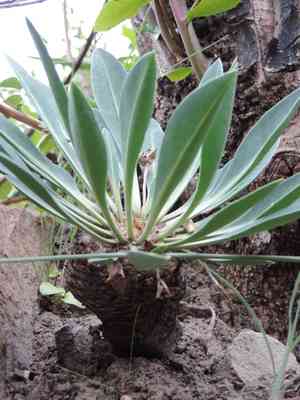
The revitalizing period of spring is ideal for relocating pine-cone plant, providing more stable circumstances for root development. Choose a luminous location featuring soil that drains effectively. Carefully move the plant, ensuring minimal disruption to its roots for optimal growth.
What Preparations are Needed Before Transplanting Pine-cone Plant?
What is the Ideal Time for Transplanting Pine-cone Plant?
The optimal period for relocating pine-cone plant is during its spring revival. This season promotes strong root growth and reduces stress. Choosing this time ensures a smooth transition and healthy development.
How Much Space Should You Leave Between Pine-cone Plant Plants?
Hello, Gardener! When moving pine-cone plant, allow each plant ample room to expand. Position them 1-2 feet (30.5 - 61 cm) apart. This will guarantee they have sufficient space to spread and thrive.
What is the Best Soil Mix for Pine-cone Plant Transplanting?
For pine-cone plant, a soil blend that drains well is crucial. Consider a cactus or succulent mix with a pH between 6.0 and 6.5. Incorporate a slow-release, foundational fertilizer into the soil before planting to give your plant a healthy beginning.
Where Should You Relocate Your Pine-cone Plant?
Select a bright location for your pine-cone plant. They enjoy abundant light but not direct, intense sunlight. A spot with morning sun and afternoon shade is most beneficial for them. Happy Gardening!
What Equipments Should You Prepare Before Transplantation Pine-cone Plant?
Gardening Gloves
To avoid direct contact with the plant's sap, which can irritate some individuals.
Shovel or Trowel
For excavating the plant from its initial spot and preparing the new planting hole.
Hand Pruning Shears
To trim any damaged or diseased roots or foliage, encouraging healthier growth post-transplant.
Watering Can
To supply moisture before and after the transplanting procedure.
Plant Pot (optional)
Might be necessary if you're moving pine-cone plant from a container to the ground.
Wheelbarrow or bucket (optional)
Can assist in safely moving pine-cone plant from its original location to the new site.
Rooting Hormone (optional)
Can stimulate root development and help the plant establish more quickly in its new environment.
How Do You Remove Pine-cone Plant from the Soil?
How Do You Remove Pine-cone Plant from the Soil?
From Ground: Begin by gently watering pine-cone plant to moisten the soil, which facilitates removal. Use your shovel or trowel to dig around the plant, aiming to preserve as many roots as possible. Once the soil around the plant is loose, carefully lift it from the ground, ensuring the root ball is supported.From Pot: Water pine-cone plant moderately until the potting mix is damp but not saturated. Gently tilt the pot sideways and ease the plant out, supporting the root ball as you do so. If the plant is stuck, you might need to run a knife along the pot's rim to loosen it.From Seedling Tray: Water the seedling tray and gently squeeze the individual cells or sections to loosen the root ball, then carefully lift pine-cone plant out by its leaves, not the stem.
Step-by-Step Guide for Transplanting Pine-cone Plant
Preparation
Clear the transplant area of any weeds and dig a hole of appropriate size. The hole should be as deep as the pine-cone plant's root ball and twice as wide.
Root Preparation
Lightly trim any damaged or excessively long roots, ensuring the majority of the roots remain intact.
Planting
Place the pine-cone plant in the hole, making sure the top of the root ball is level with the ground surface. Then, gently backfill the hole with soil, pressing down lightly to secure pine-cone plant.
Watering
Thoroughly water pine-cone plant immediately after transplanting. This helps the soil settle around the roots and reduces transplant shock.
Monitor
Observe the plant closely for the initial few weeks. While some transplant shock is normal, wilting or yellowing leaves can indicate distress.
How Do You Care For Pine-cone Plant After Transplanting?
Plants' Health Monitoring
Observe how pine-cone plant adapts to its new surroundings. Some wilting or leaf-loss is typical after a transplant, but if it persists for more than a few days, you might need to adjust light or watering conditions.
Pruning
Avoid pruning pine-cone plant immediately after planting as it could add more stress to the plant.
Mulching
Apply mulch around your pine-cone plant to help retain moisture, but be careful not to pile mulch against the stem.
Watering
Keep the soil around pine-cone plant consistently moist, but not excessively wet. This aids in establishing strong roots.
Pest and Disease management
Watch for any indications of pests or diseases. Early detection can be crucial for saving your plant.
Periodic Fertilization
After several weeks, assuming your plant appears well-established, you can begin a regular fertilization routine.
Troubleshooting Common Issues with Pine-cone Plant Transplantation.
What's the ideal time of year to transplant pine-cone plant?
The best season to move your pine-cone plant is during the first to third quarter of the year. This allows ample time for your plant to settle before colder weather arrives.
How much space does pine-cone plant need when transplanting?
Generous spacing is vital! Allow a spacious 1-2 feet (30-60 cm) between each pine-cone plant to ensure every plant has sufficient room to flourish.
What kind of soil does pine-cone plant prefer?
Pine-cone plant thrive in well-drained soil. To achieve this, consider a high-quality potting mix with sand or gritty additives to enhance drainage.
What should the pot size be for transplanting pine-cone plant?
Choose a pot that is just large enough to accommodate the plant's root ball. If it's too large, you risk over-watering your pine-cone plant.
How should I water my pine-cone plant post-transplanting?
After transplanting, water your pine-cone plant thoroughly, then allow the soil to dry out completely before watering again. Excessive watering can lead to root rot.
How to deal with transplant shock on pine-cone plant?
Transplant shock can be reduced by minimizing root disturbance during the move. Post-transplant, keep your pine-cone plant in a stable, less sunny location for a period.
What's the ideal temperature for pine-cone plant post-transplanting?
Pine-cone plant flourish in temperatures between 60-85 °F (15-30 °C). Post-transplant, try to maintain this temperature range to encourage optimal growth.
Should I fertilize pine-cone plant immediately after transplanting?
No, do not rush. Wait at least 4-6 weeks post-transplanting before applying any fertilizer. Refer to the package instructions for dosage details.
Why are the leaves of my transplanted pine-cone plant turning yellow?
Yellowing leaves can indicate overwatering. Ensure the soil dries out completely between waterings and confirm the pot has adequate drainage to prevent standing water.
How deep should pine-cone plant be planted?
For optimal results, plant your pine-cone plant at the same depth it was in its original pot. This prevents burying the stem, which could cause rot.



