How to Transplant Dog fennel?
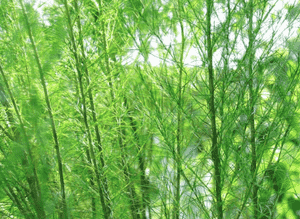
Relocate dog fennel during the refreshing period of early to mid-spring, selecting bright spots featuring soil that drains effectively. Carefully settle the roots of this perennial into its new environment for a smooth adjustment.
What Preparations are Needed Before Transplanting Dog Fennel?
What is the Ideal Time for Transplanting Dog Fennel?
Early spring, once the danger of frost has passed, is the optimal period for relocating dog fennel. This timing allows the plant sufficient opportunity to establish itself prior to the summer heat. Moving dog fennel during this season enables them to develop strong roots in cool, damp soil, laying a solid foundation for vigorous development. You'll observe dog fennel thriving, benefiting from the mild weather, embraced by spring's gentle awakening.
How Much Space Should You Leave Between Dog Fennel Plants?
Initiate your plant relocation process by ensuring adequate room for each dog fennel plant. Ideally, they should be positioned approximately 3-4 feet (0.9-1.2 meters) apart. This provides them ample space to grow without becoming overcrowded.
What is the Best Soil Mix for Dog Fennel Transplanting?
Next, let's prepare the growing medium. Dog fennel thrives in well-draining soil enriched with a good amount of organic matter. Incorporate a foundational fertilizer to enhance the soil and supply the necessary nutrients for your dog fennel to flourish.
Where Should You Relocate Your Dog Fennel?
Finally, select the appropriate site! Dog fennel loves sunlight and should be situated where it can receive full or partial sun daily. Indeed, a sun-drenched location will aid your dog fennel in blooming more effectively.
What Equipments Should You Prepare Before Transplantation Dog Fennel?
Gardening Gloves
To safeguard your hands from any prickly parts of the dog fennel plant and prevent soil from accumulating under your fingernails.
Shovel or Spade
To excavate the plant from its current spot and to prepare the new planting hole.
Pruning Shears
To trim away any dead or excessively long roots before relocating the dog fennel.
Watering Can (with a fine rose attachment)
To hydrate the plant before and after transplanting; a gentle sprinkle is best to avoid disturbing soil around the roots.
Wheelbarrow or Heavy-duty Tarp
To move the dog fennel plant from its original position to a new site, minimizing damage to the plant and any mess.
How Do You Remove Dog Fennel from the Soil?
How Do You Remove Dog Fennel from the Soil?
From Ground: Begin by watering the dog fennel plant and the surrounding soil the evening before the transplant; this will facilitate removal and reduce plant stress. The following day, use a spade or shovel to dig a wide trench around the dog fennel, ensuring to avoid the main root system to prevent damage. Gently lift the plant from its location.From Pot: Water the dog fennel thoroughly and allow the water to drain; the soil should be moist but not saturated. Turn the pot on its side, carefully supporting the plant as you do so. Slide the dog fennel out of the pot, holding it by the root ball and not by the stems or leaves.Seedling Tray: Apply gentle pressure to the bottom of the tray cell to push the dog fennel seedling upward, taking care not to harm the delicate young roots. Always handle the seedling by its leaves rather than the stem to prevent plant damage.
Step-by-Step Guide for Transplanting Dog Fennel
Prepare
Start by watering the dog fennel before commencing the transplanting process. This will lessen stress on the plant and simplify removal.
Dig a Hole
The new cavity for the dog fennel should be approximately twice as wide as the current root ball and equally deep.
Place the Plant
Carefully position the dog fennel in the center of the hole, ensuring no damage to the roots. The top of the root ball should be level with the ground surface.
Backfill the Hole
Fill in around the dog fennel plant with the excavated soil. Gently firm the soil around the plant's base to provide support.
Water
Give the dog fennel a thorough watering using a watering can to settle the soil around the plant's base.
How Do You Care For Dog Fennel After Transplanting?
Checkup
Regularly observe the dog fennel to ensure it is adapting well to its new environment. If you notice wilted or yellowed foliage, confirm it's not due to over or under-watering.
Pruning
After the dog fennel plant has had a few weeks to establish itself, lightly trim the top growth to encourage new, bushier development.
Mulching
Apply a layer of organic mulch around the plant's base (but not touching the stem) to retain moisture and deter weeds.
Pests and Diseases
Watch for any indications of pests or diseases such as discolored leaves, spots, or unusual insects. Consult a gardening guide or expert for treatment if necessary.
Troubleshooting Common Issues with Dog Fennel Transplantation.
When is the best time to transplant dog fennel?
For optimal growth, move dog fennel between late winter and early spring (Phase S1-S2). This timing allows the plant to better adjust to a new location.
How should I prepare the soil before planting dog fennel?
For dog fennel, it's crucial to deeply loosen the soil, about 12 inches (30 cm). Enrich it with organic matter if needed; this creates a favorable environment for root expansion.
How far should dog fennel seedlings be spaced in the garden?
Space dog fennel plants approximately 3 to 4 feet (90 - 120 cm) apart. This ensures they have ample room to thrive without competing for nutrients.
Does dog fennel need a specific level of sunlight?
Dog fennel enjoys full sun but can endure some shade. Just ensure it receives at least six hours of direct sunlight daily to promote healthy growth.
How deep should I plant dog fennel in the ground?
Dog fennel should be planted at the same depth as they were in their original containers. This helps the plant adapt quickly and encourages root development.
What is the ideal watering procedure for dog fennel after transplanting?
Water dog fennel thoroughly immediately after transplanting. Afterward, maintain moist but not waterlogged soil. Overwatering can lead to root rot, so be cautious.
How frequently should I fertilize dog fennel after transplanting?
Begin fertilizing dog fennel about 4 weeks after transplanting. This allows roots time to settle. Apply a balanced, slow-release fertilizer every 2 months.
What is the best method to transplant dog fennel to minimize transplant shock?
Transplant dog fennel on a cool, overcast day to minimize shock. Also, ensure to water them generously, before and after transplanting, to reduce stress.
What should I do if dog fennel shows signs of disease or pests after transplanting?
If dog fennel shows signs of illness, identify the issue and apply an appropriate organic treatment. Consider consulting a local extension service for assistance.
Should I prune dog fennel after transplanting?
It's not necessary to prune dog fennel immediately after transplanting. If the plant becomes too large or unruly, prune in late winter or early spring.



