How to Transplant Large-leaved spindle?
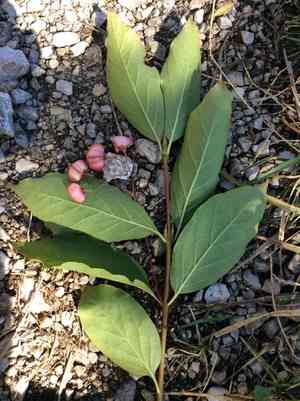
The optimal period for relocating large-leaved spindle is either when spring's warmth graces the ground or as fall foliage starts to drop, allowing roots to settle in temperate conditions. Select a location offering filtered light and soil that drains effectively. Careful handling during this phase contributes to lush development.
What Preparations are Needed Before Transplanting Large-leaved Spindle?
What is the Ideal Time for Transplanting Large-leaved Spindle?
Moving large-leaved spindle during the gentle period of late spring or the cool calm of mid-autumn provides the best conditions for root establishment, avoiding harsh weather.
How Much Space Should You Leave Between Large-leaved Spindle Plants?
Greetings! For your large-leaved spindle, you'll want to allow ample room for development. Aim for a spacing of 1-2 meters (approximately 3.3-6.6 feet). This provides each plant sufficient area to grow robustly and healthily, without competing for resources!
What is the Best Soil Mix for Large-leaved Spindle Transplanting?
To create an optimal environment for your large-leaved spindle, incorporate compost into your garden soil. This plant thrives in well-drained soil rich in organic matter. A small amount of balanced, slow-release fertilizer will give your large-leaved spindle a strong start.
Where Should You Relocate Your Large-leaved Spindle?
Your large-leaved spindle enjoys soaking up the sun with a touch of partial shade. Locate a sunny spot that receives some afternoon shade, particularly in warmer climates. This light combination will keep your large-leaved spindle vibrant and growing correctly!
What Equipments Should You Prepare Before Transplantation Large-leaved Spindle?
Gardening Gloves
To safeguard your hands while handling soil and the plant.
Shovel or Spade
For excavating the plant and preparing the new planting site.
Hand Trowel
Useful for detailed work and smaller roots during the relocation process.
Pruning Shears
To trim any injured roots or excessive top growth if required.
Wheelbarrow or Garden Cart
For moving the plant and soil.
Watering Can or Hose
To hydrate the plant before and after the transplanting procedure.
Mulch
To help maintain soil moisture and regulate temperature around the root zone after transplant.
Rooting Hormone (Optional)
To stimulate root development in the new location.
How Do You Remove Large-leaved Spindle from the Soil?
How Do You Remove Large-leaved Spindle from the Soil?
From Ground: Before removal, thoroughly water the large-leaved spindle. Then, dig a wide circle around it with a shovel or spade to prevent damage to the root system. Carefully slide the tool beneath the root ball and lift the plant from the ground.From Pot: Begin by watering the large-leaved spindle's soil in the container to facilitate removal. Gently tilt the pot sideways and tap or press on the sides to loosen the plant. Slide the plant out, supporting the root ball with your hand.From Seedling Tray: Moisten the soil in the seedling tray before attempting removal. Use a hand trowel or similar implement to carefully extract the large-leaved spindle seedling from its tray slot, ensuring the roots and soil remain intact as much as possible.
Step-by-Step Guide for Transplanting Large-leaved Spindle
Prepare the Plant
Ensure large-leaved spindle is well-hydrated a day prior to transplant to minimize stress on the plant and simplify its removal from the ground.
Dig the Hole
Excavate a new planting hole that is twice as wide and equal in depth to the root ball of the large-leaved spindle.
Root Pruning
If any roots are broken or damaged during the digging, use pruning shears to cleanly trim them, which will encourage new growth.
Plant Positioning
Carefully place large-leaved spindle in the center of the hole at the same depth it was previously growing. Adjust the soil underneath to ensure the plant is level and at the correct height.
Backfill the Hole
Gently refill the hole around the root ball with soil, ensuring there are no air pockets by lightly firming it down as you proceed.
Watering
After transplanting large-leaved spindle, thoroughly water the plant to settle the soil around the roots and to hydrate the plant.
Applying Mulch
Apply a layer of mulch around the base of large-leaved spindle, keeping it away from the stem, to help retain moisture.
Staking (If Necessary)
If large-leaved spindle is large and top-heavy, inserting a stake for support can help stabilize the plant until the roots become established.
How Do You Care For Large-leaved Spindle After Transplanting?
Initial Watering
Keep the soil around large-leaved spindle consistently moist for the first few weeks while the new roots are developing.
Mulch Benefits
Maintain the layer of mulch to keep the roots insulated from temperature extremes and to preserve soil moisture.
Monitoring Growth
Regularly inspect the plant for signs of stress and development. New shoots or leaves are good indicators of successful transplanting.
Adjusting Care as Needed
Based on the observed response of large-leaved spindle, modify watering and care. Reduce watering frequency once the plant is established.
Pruning
After the initial growing season, consider light pruning to shape large-leaved spindle and promote denser growth.
Troubleshooting Common Issues with Large-leaved Spindle Transplantation.
What's the best time of year to transplant large-leaved spindle?
Choose late spring to early summer or from mid-autumn to late autumn when temperatures are moderate.
How far apart should I space large-leaved spindle when planting?
Allow a generous 3.3 to 6.6 feet (1-2 meters) between each plant to ensure they thrive.
Why is my large-leaved spindle not thriving post-transplant?
Verify if it's watered sufficiently, planted at the correct depth, and not disturbed by foot traffic or pets.
How deep should I dig to transplant large-leaved spindle?
The hole should be twice the root ball's width and the same depth to encourage healthy growth.
How do I prepare the soil for transplanting large-leaved spindle?
Improve the soil with compost and ensure it drains well; large-leaved spindle prefers fertile and moist, but not waterlogged, conditions.
Can I transplant large-leaved spindle in the summer heat?
It's best to avoid this. Transplant when temperatures are cooler to prevent stress on large-leaved spindle.
What sunlight conditions are ideal for large-leaved spindle after transplanting?
Position large-leaved spindle in a location with full sun to partial shade to support healthy growth.
How often should I water large-leaved spindle after transplanting?
Keep the soil uniformly moist, especially during the initial weeks, to help large-leaved spindle establish.
How can I tell if large-leaved spindle has transplant shock?
Signs include drooping leaves, yellowing, and stunted development. It requires time and proper care to recover.
Will pruning large-leaved spindle help with transplanting success?
Pruning is not essential during transplanting but ensure to remove any damaged or diseased branches.



