How to Transplant Evergreen spindle?
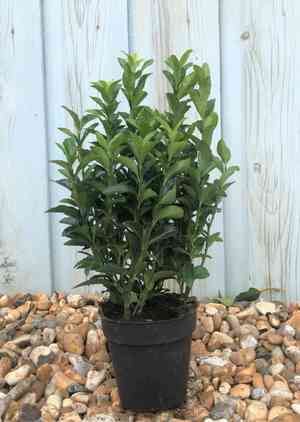
To achieve the best development, relocate evergreen spindle during the ideal period from late spring through mid-summer, since elevated temperatures foster robust root development. Select a site that satisfies the plant's need for partial sunlight and adequately draining soil, and ensure thorough watering after the transfer.
What Preparations are Needed Before Transplanting Evergreen Spindle?
What is the Ideal Time for Transplanting Evergreen Spindle?
The optimal period to relocate evergreen spindle is from late spring to midsummer. This timeframe promotes robust development, enabling evergreen spindle to flourish and quickly anchor its root system. You'll be pleased with the outcome!
How Much Space Should You Leave Between Evergreen Spindle Plants?
For evergreen spindle, an ideal spacing range for relocation is 5 to 10 feet (1.5 to 3 meters) apart, providing ample room for healthy development. Ensure each plant has sufficient area to reach its full potential.
What is the Best Soil Mix for Evergreen Spindle Transplanting?
Prepare the soil for evergreen spindle by utilizing well-draining, loamy earth rich in organic material. Incorporate a slow-release, balanced fertilizer (such as 10-10-10), blending it into the soil to supply nutrients for your plant.
Where Should You Relocate Your Evergreen Spindle?
Select a transplant site for evergreen spindle where it will receive full to partial sunlight, ensuring it gets at least 6 hours of sun daily. This is crucial for the plant to thrive and develop its striking foliage.
What Equipments Should You Prepare Before Transplantation Evergreen Spindle?
Gardening Gloves
To safeguard your hands while handling soil and plants.
Shovel or Spade
For digging holes and trenches, and for extracting evergreen spindle from its initial spot.
Trowel
For more precise excavation during relocation, especially for smaller plants.
Garden Fork
To assist in loosening the soil around the roots before plant removal.
Watering Can or Hose
To hydrate the plant both prior to and following transplantation.
Measuring Tape or Ruler
To verify the correct planting distance and depth.
Organic Matter
For blending into the planting hole to enhance soil structure and provide nourishment.
Mulch
To aid in moisture retention and weed suppression around the newly transplanted plant.
How Do You Remove Evergreen Spindle from the Soil?
How Do You Remove Evergreen Spindle from the Soil?
- From Ground:First, irrigate the evergreen spindle plant to moisten the soil. Then, excavate a broad trench around the plant using a shovel or spade, ensuring the plant's root ball remains intact. Carefully work the spade beneath the root ball to lift the plant from its original position.- From Pot:Water the evergreen spindle plant, then gently lay the container on its side and tap it to dislodge the plant. Carefully slide the plant out, keeping the root ball whole. If the plant is stuck, use a trowel or garden fork to carefully loosen the soil around the pot's edge.- From Seedling Tray:Water the evergreen spindle seedlings before relocating them. Use a trowel or a fork to gently loosen the soil around the seedling, then carefully lift it out, taking care not to harm the roots.
Step-by-Step Guide for Transplanting Evergreen Spindle
Preparation
Before relocating, thoroughly water the evergreen spindle plant and the new planting area, as moist soil facilitates easier removal and handling of plants with minimal root damage.
Digging the Hole
In the new planting area, excavate a hole twice the width of the evergreen spindle's root ball and of equal depth, using a shovel or trowel. Loosen the soil at the base of the hole with a garden fork.
Enriching the Soil
Incorporate organic material into the soil removed from the hole to help improve soil structure and supply nutrients for the developing plant.
Placing the Plant
Carefully position the evergreen spindle plant in the prepared hole, ensuring the top of the root ball is level with the ground. Spread the roots out evenly in the hole, if feasible.
Backfilling
Refill the hole with the enhanced soil, gently compacting it around the root ball to eliminate air pockets.
Watering
Immediately after transplanting, generously water the evergreen spindle plant to help settle the soil and establish good root-to-soil contact.
Mulching
Apply a layer of mulch around the plant, keeping it clear of the stem. This will help retain moisture, suppress weeds, and regulate soil temperature.
How Do You Care For Evergreen Spindle After Transplanting?
Watering
Keep the soil around the evergreen spindle consistently moist, but not waterlogged, for the initial weeks post-transplant to aid in developing strong roots. As the plant matures, adjust irrigation frequency based on its specific requirements.
Pruning
Remove any damaged or dead branches to encourage healthy new growth. Regularly inspect the plant for signs of pests or diseases and treat as needed.
Fertilizing
Apply a balanced slow-release fertilizer to the evergreen spindle according to the recommended schedule, as excessive fertilization could lead to leaf burn or other issues.
Monitoring Growth
Observe the evergreen spindle plant as it establishes itself in its new location, checking for indicators of stress or nutrient deficiency, and make any necessary adjustments to its care regimen.
Troubleshooting Common Issues with Evergreen Spindle Transplantation.
When is the best time to transplant evergreen spindle?
Relocate evergreen spindle during late spring to mid-summer for optimal results.
What spacing should I maintain between evergreen spindle plants?
Allow 5-10 feet (1.5-3 meters) of space between evergreen spindle plants for ideal growth.
How do I prepare the transplant hole for evergreen spindle?
Dig a hole twice the root ball's size, and loosen soil at the bottom and sides to promote root expansion.
What soil type is best for transplanting evergreen spindle?
Evergreen spindle thrives in well-draining, fertile soil enriched with organic matter.
Do I need to water evergreen spindle immediately after transplanting?
Yes, thoroughly water evergreen spindle after transplanting to help reduce shock and establish roots.
How deep should I plant evergreen spindle when transplanting?
Plant evergreen spindle at the same depth as it was in its original container to prevent stem rot.
Should I prune evergreen spindle before or after transplanting?
Lightly prune evergreen spindle before transplanting to remove dead or damaged branches and encourage new growth.
How can I reduce transplant shock for my evergreen spindle plant?
Keep roots moist, maintain original soil, and water consistently to help evergreen spindle recover from transplanting.
Can evergreen spindle be transplanted in a container?
Yes, evergreen spindle can be transplanted into a container with adequate drainage and space for root development.
How long does it take for evergreen spindle to establish after transplanting?
Evergreen spindle typically takes 2-4 weeks to fully establish, depending on weather and care conditions.



