How to Transplant Tasmanian blue gum?
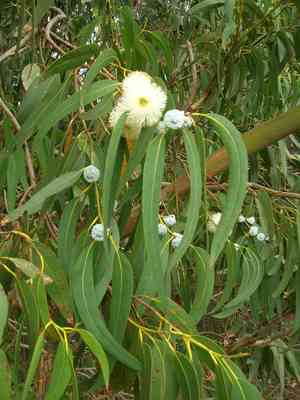
The most favorable period for transplanting tasmanian blue gum is in the spring, when moderate temperatures and ample humidity create ideal conditions for root development. Position tasmanian blue gum in a bright, protected location and take care to preserve the soil structure during the transfer for optimal outcomes.
What Preparations are Needed Before Transplanting Tasmanian Blue Gum?
What is the Ideal Time for Transplanting Tasmanian Blue Gum?
The prime period for relocating tasmanian blue gum is during the spring season, which offers optimal conditions for growth. This timeframe provides mild temperatures and ample rainfall, fostering root development and minimizing transplant shock. Moving tasmanian blue gum in these months highlights its vigor and resilience, ensuring robust growth. By aligning transplanting activities with spring's natural renewal, gardeners are presented with lush foliage and strong health for tasmanian blue gum, enhancing landscape beauty and ecological benefits.
How Much Space Should You Leave Between Tasmanian Blue Gum Plants?
When transplanting tasmanian blue gum, allow them ample room to flourish. A spacing of 6-7 feet (approximately 1.8-2.1 meters) between each plant is optimal. This provides sufficient space for growth without overcrowding.
What is the Best Soil Mix for Tasmanian Blue Gum Transplanting?
Ensure you prepare a well-draining soil mixture for tasmanian blue gum. A loam or sandy loam type will be most effective. A slow-release base fertilizer rich in phosphorus will supply essential nutrients to encourage root growth.
Where Should You Relocate Your Tasmanian Blue Gum?
Select a site for tasmanian blue gum that receives abundant full sun. These plants thrive in an area that gets at least 6 hours of direct sunlight daily. Partial shade may hinder their growth and flower production.
What Equipments Should You Prepare Before Transplantation Tasmanian Blue Gum?
Shovel or Garden Spade
To excavate the tasmanian blue gum from its original spot and to create a new hole at the destination.
Gardening Gloves
To safeguard your hands while handling the plant and working with the soil.
Pruning Shears
To trim any damaged or diseased branches prior to relocation.
Bucket or Wheelbarrow
To move the tasmanian blue gum from its initial location to the new site without causing harm.
Soil Amendment (like compost or aged manure)
To supply nutrients to the plant and encourage healthy development.
Mulch
To apply around the plant's base after transplanting, for retaining soil moisture and controlling weeds.
How Do You Remove Tasmanian Blue Gum from the Soil?
How Do You Remove Tasmanian Blue Gum from the Soil?
From Ground: Start by thoroughly watering the tasmanian blue gum plant a day before your transplanting endeavor. This will help alleviate relocation stress. Proceed by digging a wide trench around the plant using your shovel or spade, ensuring the soil and roots remain intact. With the same tool, gently work beneath the root ball until you can manually lift the plant without causing damage.From Pot: The process begins similarly to ground removal; water the plant the day before transplanting. Then, invert the pot and gently tap it to release the plant. If it doesn't slide out easily, run a butter knife along the pot's inner edge to loosen the soil.From Seedling Tray: Water the seedling tray the day prior to transplanting. Carefully pinch the stem base of the tasmanian blue gum between your thumb and index finger and gently extract it from its cell, making sure to preserve as much of the root ball and surrounding soil as possible.
Step-by-Step Guide for Transplanting Tasmanian Blue Gum
Preparation
Before extracting the tasmanian blue gum from its initial position, begin preparing the new site. The hole should be twice as wide and equally as deep as the root ball. Enrich the excavated soil with compost or aged manure.
Removal
Follow the procedure outlined above in 'removal_process' to carefully extract the plant with its root ball intact.
Transplanting
Position the tasmanian blue gum in the center of the hole and ensure the top of the root ball is level with the ground. Backfill with the amended soil, firming around the plant to eliminate any air pockets.
Watering
Immediately after planting, water thoroughly to settle the soil around the roots.
How Do You Care For Tasmanian Blue Gum After Transplanting?
Pruning
Trim any dead or diseased branches post-transplant to redirect energy towards the roots.
Mulching
Apply mulch around the tree's base to conserve moisture and suppress weed competition.
Monitoring
Closely observe the tasmanian blue gum for indications of stress or illness. Increased leaf drop or wilting may signal issues. A stressed tree might require additional watering or a more sheltered location.
Protection
To guard against pests like beetles and termites, apply an organic pesticide to the tree's base.
Troubleshooting Common Issues with Tasmanian Blue Gum Transplantation.
When is the best time to transplant tasmanian blue gum?
The most suitable time to transplant tasmanian blue gum is between early winter and late spring. This allows the plant to establish itself before summer.
What is the ideal spacing for tasmanian blue gum while transplanting?
It's best to position tasmanian blue gum 6-7 feet (1.8-2.1m) apart. This provides them ample space for growth and helps prevent disease spread.
How deep should the hole be for transplanting tasmanian blue gum?
Dig a hole twice as wide and as deep as the root ball. This gives tasmanian blue gum sufficient room for its roots to spread and grow.
What type of soil is best suited while planting tasmanian blue gum?
Tasmanian blue gum thrives in well-drained, deep soil. Slightly acidic soil with a pH of around 6-7.5 is most appropriate.
How should I water my tasmanian blue gum after transplanting?
Water tasmanian blue gum thoroughly immediately after transplanting. For the initial few weeks, ensure the soil never completely dries out, but avoid overwatering.
My tasmanian blue gum looks wilted after being transplanted. What should I do?
Ensure you're watering tasmanian blue gum adequately and not exposing it to extreme temperatures. Also, be patient, it might simply be transplant shock, from which the plant can recover.
What's the best way to ensure tasmanian blue gum survival during transplantation?
Try to keep the root system intact. Additionally, water it well before and after transplanting, and place tasmanian blue gum at the same depth it was in its previous location.
Are there any specific fertilisers suited for tasmanian blue gum?
Tasmanian blue gum generally doesn't require much fertilizer. However, you can use a slow-release, low-phosphorus fertilizer if your soil's nutrient levels are poor.
Why are my transplanted tasmanian blue gum leaves turning yellow?
Yellow leaves can indicate water stress or nutrient deficiency. If the watering schedule is appropriate, lightly fertilize with a general-purpose fertilizer.
My transplanted tasmanian blue gum doesn't seem to be growing. Why?
If tasmanian blue gum isn't growing well after transplanting, it might still be in shock. Be patient and ensure proper watering, light, and soil conditions are maintained.



