How to Transplant Queensland peppermint?
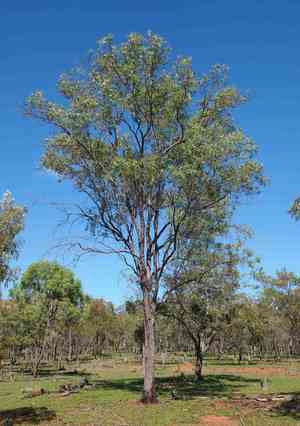
For queensland peppermint, the ideal period for relocation spans from early spring to its peak. Select a bright, adequately drained spot to encourage vigorous development. Careful handling during the transfer promotes a successful establishment.
What Preparations are Needed Before Transplanting Queensland Peppermint?
What is the Ideal Time for Transplanting Queensland Peppermint?
The optimal period for relocating queensland peppermint spans from the emergence of early buds through the peak of spring's vigor. Moving them during this timeframe allows roots to establish before summer's heat. Mild temperatures and increasing daylight foster a supportive environment for queensland peppermint to thrive post-transplant, with soil moisture and warmth encouraging robust root development. Choosing this window aligns with the natural growth cycle, promoting a smooth transition and strength in your queensland peppermint.
How Much Space Should You Leave Between Queensland Peppermint Plants?
Allow your queensland peppermint ample room to thrive! Aim for a spacing of approximately 20-30 feet (6-9 meters) between them. This provides each queensland peppermint sufficient area for development and prevents competition for sunlight or nutrients.
What is the Best Soil Mix for Queensland Peppermint Transplanting?
For a healthy queensland peppermint, combine well-draining soil with a balanced fertilizer to ensure a robust beginning. Soil abundant in organic matter will help your queensland peppermint flourish. Just like us, they require a nourishing foundation to grow up strong!
Where Should You Relocate Your Queensland Peppermint?
Your queensland peppermint thrives in sunlight, so select a location where it can receive full sun exposure throughout the day. A southern or western orientation is perfect for these sun-loving plants, guaranteeing they receive at least 6 hours of direct light daily.
What Equipments Should You Prepare Before Transplantation Queensland Peppermint?
Shovel or Spade
To excavate and extract the queensland peppermint from its initial spot.
Gardening Fork
For loosening the earth surrounding the plant's root system.
Wheelbarrow or Tarp
To move the queensland peppermint from one place to another without causing harm.
Watering Can or Hose
For hydrating the queensland peppermint before and after the relocation process.
Pruning Shears
To trim any damaged or excess roots and branches.
Root Pruning Saw (if applicable)
For larger roots that cannot be cut with standard pruning shears.
Measuring Tape
To determine the correct distance for the new planting hole to ensure adequate growth space for the queensland peppermint.
Gardening Gloves
To safeguard your hands while working with the soil and plant material.
Soil Amendment (as recommended by local nursery)
To enrich the planting hole if deemed necessary.
How Do You Remove Queensland Peppermint from the Soil?
How Do You Remove Queensland Peppermint from the Soil?
From Ground: First, moisten the soil around the queensland peppermint. Next, dig a wide trench around the plant using a shovel or spade, taking care to preserve the root ball. Gently slide the spade under the root ball to lift the queensland peppermint from its position.From Pot: Begin by watering the queensland peppermint, then turn the pot on its side and gently tap the edges to loosen the root ball. Using both hands, grasp the base of the queensland peppermint and carefully ease it out of the container.From Seedling Tray: Water the seedlings to ensure the soil is damp. Using a spoon or similar small tool, carefully scoop around a single queensland peppermint to lift it out with a clump of soil attached to its roots.
Step-by-Step Guide for Transplanting Queensland Peppermint
Preparation
Start by thoroughly watering the queensland peppermint the day prior to transplanting to ensure its roots are well-hydrated.
Root Pruning
For an established queensland peppermint, trim any excessively long or damaged roots to encourage new growth after relocation. Perform this step carefully to minimize stress on the plant.
Excavation
Use a shovel to dig a hole in the new site that is twice as wide and equally as deep as the root ball.
Positioning
Place the queensland peppermint in the center of the hole, ensuring it stands upright. The top of the root ball should be level with the surrounding ground surface.
Soil Fill
Backfill the hole with native soil, gently tamping it down as you proceed to eliminate air pockets. If using any soil amendment, mix it uniformly with the backfill.
Watering
Water the queensland peppermint deeply immediately after planting. Slow, thorough watering is ideal to help the roots settle and reduce transplant shock.
Mulching
Apply a 2-3 inch layer of mulch around the base of the queensland peppermint, keeping it away from the trunk to prevent rot.
How Do You Care For Queensland Peppermint After Transplanting?
Staking
Support the queensland peppermint with stakes only if necessary due to wind or instability. Do not stake it too tightlyâallow some movement to promote strong root development.
Monitoring
Regularly check the soil moisture around the queensland peppermint and water as needed to keep it consistently moist, especially during the first growing season.
Protection
Use tree guards or similar protection to shield the young queensland peppermint trunk from pests, mechanical damage, or harsh weather conditions if required.
Pruning
Avoid heavy pruning after transplanting. Only remove dead or damaged branches to help the queensland peppermint conserve energy for root establishment.
Observation
Keep an eye on the queensland peppermint's leaves for signs of stress, such as yellowing or wilting, and take action (like adjusting watering or checking for pests) as necessary.
Troubleshooting Common Issues with Queensland Peppermint Transplantation.
What's the best time to transplant queensland peppermint?
The optimal period for transplanting queensland peppermint is from early spring until mid-spring, ensuring ideal root establishment.
How far apart should I space queensland peppermint when transplanting?
Position queensland peppermint so each has ample room to thrive, ideally spaced 20 to 30 feet (6 to 9 meters) apart.
What should I do if queensland peppermint's leaves wilt after transplanting?
Wilting may indicate shock; maintain consistent soil moisture and shield queensland peppermint from intense sun until recovery.
How deep should the hole be for transplanting queensland peppermint?
Excavate a hole that is twice the width of the root ball and equally deep to encourage growth without burying the trunk.
Can I transplant queensland peppermint during hot summer months?
It's risky; high temperatures can stress queensland peppermint. Adhere to the cooler, gentler period of early spring to late spring.
What kind of soil is best for transplanting queensland peppermint?
Utilize well-draining soil rich in organic matter to give queensland peppermint a robust start in its new location.
How much should I water queensland peppermint after transplanting?
Water generously immediately after transplanting, then transition to a moderate watering schedule to maintain soil moisture.
Why are queensland peppermint's leaves turning yellow after transplanting?
This is often stress-related; ensure proper watering and inspect for pests or diseases. Consistent care typically aids recovery.
How do I prepare queensland peppermint for transplanting?
Water queensland peppermint thoroughly a day before, prune any damaged roots, and choose a cloudy day to prevent excessive evaporation during transplant.
What should I do with the rootball of queensland peppermint when transplanting?
Keep the rootball intact to minimize stress; gently spread the roots outwards in the hole to promote outward growth.



