How to Transplant Illyarrie?
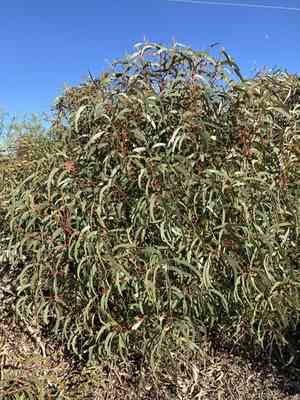
Illyarrie flourishes when transplanted between early and late spring, taking advantage of moderate temperatures and steady precipitation. Select a bright, well-draining spot to encourage robust development. Initially, offer protection from direct sun and consistent moisture to aid its establishment.
What Preparations are Needed Before Transplanting Illyarrie?
What is the Ideal Time for Transplanting Illyarrie?
Moving illyarrie between early and late spring is most effective. This period allows the plant to establish its root system prior to the summer heat. Relocating illyarrie at this time maximizes its chances for root development, leading to stronger growth and resilience. The mild weather also lessens transplant shock, ensuring a smoother transition.
How Much Space Should You Leave Between Illyarrie Plants?
When relocating illyarrie, ensure a spacing of 15-20 feet (4.5-6 meters) between them. This provides each plant with sufficient room to develop and flourish. Proper spacing aids in fostering healthy root growth and prevents overcrowding.
What is the Best Soil Mix for Illyarrie Transplanting?
Prepare the soil by combining well-draining sandy or loamy soil with a balanced, general-purpose base fertilizer. Illyarrie prefers soil that isn't overly compact to facilitate good water drainage and root expansion. Incorporating some compost can also enhance soil fertility and structure.
Where Should You Relocate Your Illyarrie?
Select a sunny spot for transplanting illyarrie, as this plant thrives in full sun. Ensure the chosen location receives at least 6-8 hours of direct sunlight daily. Sufficient sunlight is vital for the plant's growth and blooming potential.
What Equipments Should You Prepare Before Transplantation Illyarrie?
Gardening Gloves
To safeguard your hands while handling soil and the plant.
Shovel or Spade
For excavating around and beneath the plant, and preparing the ground hole.
Trowel
Useful for more precise digging and shifting soil near the roots.
Watering Can or Hose
To hydrate the plant before removal and after replanting.
Pruner
To trim any damaged or excessively long roots prior to transplanting.
Mulch
To help maintain moisture levels around the newly transplanted plant.
How Do You Remove Illyarrie from the Soil?
How Do You Remove Illyarrie from the Soil?
From Ground: First, water the illyarrie plant to moisten the soil. Next, dig a wide trench around the plant using a shovel or spade, ensuring the plant's root ball remains intact. Carefully work the spade under the root ball to lift the plant from its original spot.From Pot: Water the illyarrie plant thoroughly before extraction. Gently tap the pot's sides to loosen the soil. Hold the plant's base and invert the pot. If the plant resists, gently squeeze or tap the pot, taking care not to harm the roots.From Seedling Tray: Water the seedlings well and use a trowel or your hands to carefully lift them from the tray, ensuring as much of the root system as possible stays intact. Handle the seedlings by their leaves to avoid damaging the stems.
Step-by-Step Guide for Transplanting Illyarrie
Site Preparation
Prepare the transplant location by digging a hole twice as wide and equally deep as the illyarrie's root ball. Ensure it drains effectively.
Amending Soil
If the soil at the new site is not optimal, enrich it with compost or other organic material to enhance its texture and nutrient content.
Watering the Hole
Before placing the illyarrie into the hole, water the hole to dampen the surrounding soil.
Placing the Plant
Position the illyarrie in the hole, ensuring it sits at the same depth as it was in its previous location. The root crown should be level with or slightly above the surrounding soil surface.
Filling the Hole
Backfill the hole with soil, gently firming it around the roots as you proceed to eliminate air pockets. Be careful not to over-compact the soil.
Watering
Water the plant thoroughly after transplanting to help settle the soil and encourage root establishment.
Applying Mulch
Add a layer of mulch around the plant's base to retain moisture and regulate soil temperature, being careful to keep it away from the stem to prevent rot.
How Do You Care For Illyarrie After Transplanting?
Watering
Keep the soil around the illyarrie consistently moist, but not waterlogged, for the initial weeks post-transplant to aid in strong root development.
Monitoring
Regularly check for indicators of stress such as wilting or yellowing leaves and adjust care as needed.
Protection
If appropriate, provide some shade or a temporary covering to shield the transplant from direct sun for a few days.
Weed Control
Keep the area free of weeds that might compete with the illyarrie for nutrients and water.
Troubleshooting Common Issues with Illyarrie Transplantation.
When is the best time to transplant illyarrie?
The optimal period to transplant illyarrie is from early spring to late spring for superior outcomes.
How far apart should I space illyarrie?
Illyarrie should be spaced 15-20 feet (4.5-6 meters) apart to ensure prime growth.
How do I prepare the soil for illyarrie?
Ensure the soil is well-draining and enriched with organic matter for robust illyarrie growth.
How deep should I plant illyarrie?
Plant illyarrie at the same depth it was growing previously to prevent transplant shock.
Should I water illyarrie immediately after transplanting?
Yes, water illyarrie thoroughly right after transplanting to help settle the soil and reduce stress.
What if illyarrie exhibits wilting after transplanting?
Wilting may occur; ensure consistent watering and potentially provide temporary shade for recovery.
How can I minimize transplant shock for illyarrie?
Transplant illyarrie during cooler parts of the day, and use root hormones if available.
What type of mulch should I use for illyarrie?
Use organic mulch, such as bark or compost, around illyarrie to retain moisture and control weeds.
Can I fertilize illyarrie after transplanting?
Wait a few weeks before fertilizing to avoid burning the roots of newly transplanted illyarrie.
How often should illyarrie be watered post-transplant?
Water illyarrie regularly for the first few weeks, keeping the soil consistently moist but not waterlogged.



