How to Transplant Argyle apple?
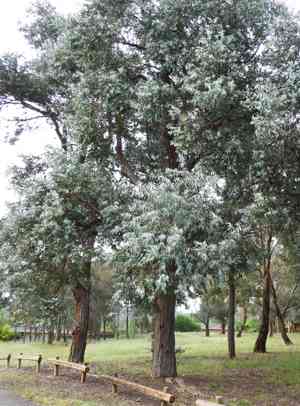
The ideal period for transplanting argyle apple is within the revitalizing span of early to mid-spring. Select a bright location featuring soil that drains effectively. A helpful tip: guarantee sufficient room for development to prevent subsequent strain.
Essential Preparations Before Moving Argyle Apple
Optimal Timing for Relocating Argyle Apple?
The best time to move argyle apple is during the transition from early to mid-spring. This period, characterized by milder temperatures and consistent moisture, greatly aids root development before the peak summer heat. Transplanting argyle apple at this time allows it ample opportunity to adapt and form a strong root system. Ensuring argyle apple is moved during this prime growth phase will lead to a healthier, more robust plant, setting the stage for vigorous growth and longevity.
Recommended Spacing Between Argyle Apple Plants?
Allow sufficient room for each argyle apple to grow by maintaining a distance of approximately 8-10 feet (about 2.4-3 meters) between them. This provides ample space for their branches to expand both horizontally and vertically!
Ideal Soil Mixture for Argyle Apple Transplanting?
To prepare the soil for argyle apple, use a well-draining type. Incorporating a foundational fertilizer, such as a slow-release granular product, will also supply your plants with the necessary nutrients for robust and healthy development.
Where to Replant Your Argyle Apple?
Argyle apple thrives in a location exposed to bright, full sunlight. Therefore, select a garden spot that receives abundant sun exposure throughout the day to truly allow argyle apple to flourish!
Tools Required Before Transplanting Argyle Apple
Gardening Gloves
These will offer protection for your hands while handling the soil and argyle apple.
Shovel or garden spade
These tools will be used to excavate holes for the transplant and to lift the plant from its original spot.
Watering Can
Utilized for hydrating the plant both before and after the transplant.
Mulch
To safeguard the plant post-transplanting and assist in moisture retention.
Wheelbarrow or hand trolley
This might be necessary to transport your argyle apple, especially if it is a large or mature specimen.
Method for Extracting Argyle Apple from the Ground
Method for Extracting Argyle Apple from the Ground?
From Ground: First, hydrate the argyle apple plant to moisten the surrounding soil. This will facilitate the removal process. Using a shovel, dig a wide trench around the plant, ensuring the plant's root ball remains intact. Carefully work the spade beneath the root ball to lift the plant from its initial location.From Pot: Water the argyle apple thoroughly to soften the soil. Gently invert the pot and slide the plant out, being careful not to pull on the stem or foliage. The entire root ball should emerge. If it doesn't, you might need to lightly tap the pot's sides to loosen the soil and roots.From Seedling Tray: Dampen the soil in the tray. Gently grasp each argyle apple plant at the base of its stems and lift it out. Be cautious to avoid damaging the roots. The seedling should come out with its roots and attached soil.
Detailed Steps for Transplanting Argyle Apple
Excavating the Hole
Dig a hole twice the width of the root ball and equivalent to its original planting depth. The top of the root ball should be level with or slightly above the surrounding soil. Remember, the hole should resemble a saucer, not a vase.
Positioning the argyle apple
Place the argyle apple into the hole and adjust it so it stands upright. The top of the plant's root ball should be flush with the surrounding soil.
Backfilling the Hole
Begin refilling the hole, firming the soil around the plant. Do not over-compact the soil; just enough to provide support for the plant.
Watering
Thoroughly water the argyle apple after planting to settle the soil around the roots and encourage their growth into the surrounding soil.
Applying Mulch
Spread a layer of mulch around the plant to help conserve moisture.
Post-Transplant Care for Argyle Apple
Watering
Water the argyle apple plant frequently and deeply for the initial week, then gradually reduce to once a week or less, depending on current weather conditions. Avoid excessive watering.
Pruning
This might not be necessary immediately after transplanting, but observe your plant. If any branches appear diseased or dead after a couple of weeks, trim them back to enhance the plant's overall health.
Monitoring
Closely observe your argyle apple following the transplant. The first indications of transplant shock in a plant typically include wilted, yellowed, or dropped leaves. If these signs appear, ensure the plant has adequate water and is shielded from extreme weather conditions.
Resolving Common Issues with Argyle Apple Transplantation.
When is the best time to transplant argyle apple?
The optimal period for relocating argyle apple is during the S1-S2 season. This is when the plant exhibits the greatest resilience to the stresses of transplantation.
What is the ideal spacing for argyle apple transplantation?
Providing argyle apple with ample room to grow is essential. Maintain a distance of 8-10 feet (2.43 -3.04 meters) between each plant.
What type of soil is best for argyle apple transplantation?
Argyle apple thrives in well-draining soil. A sandy or loamy soil with balanced pH levels is most suitable for this plant.
How deep should I dig the hole for transplanting argyle apple?
Excavate a hole twice the width and depth of argyle apple's root ball. This provides the roots with sufficient space to establish themselves after transplantation.
Should I water argyle apple immediately after transplanting?
Absolutely! Water argyle apple thoroughly right after transplanting. This helps to settle the soil around the roots and minimizes transplantation shock.
My newly transplanted argyle apple is wilting. Why is this happening?
Don't be concerned! Some wilting after transplanting is normal, as argyle apple adjusts to its new environment. Continue regular watering; it should recover soon.
When should I add fertilizers after transplanting argyle apple?
Wait a few weeks after transplanting argyle apple before applying fertilizers. Allow the plant time to acclimate to its new location first.
What precautions should I take when removing argyle apple for transplantation?
When lifting argyle apple, be gentle and avoid damaging the root ball. Removing the plant too forcefully can reduce its chances of survival post-transplant.
Why does argyle apple have yellow leaves after transplanting?
Yellow leaves often indicate stress from transplantation, over-watering, or a nutrient deficiency. Ensure the water and nutrients argyle apple receives are balanced.
How do I protect argyle apple from transplanting shock?
Minimize transplant shock by keeping the root ball intact and moist. Water consistently and prevent extreme temperature fluctuations for the initial few weeks.



