How to Transplant River red gum?
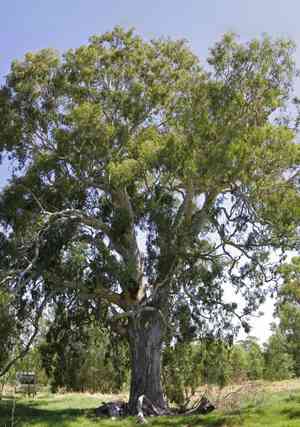
Select the ideal period for transplantation, which is the excellent window from mid-to-late spring, to provide river red gum with the most favorable beginning. Confirm a brightly lit spot and adhere to fundamental practices if relocating mature trees. Approach this period of development with dedication and attention.
What Preparations are Needed Before Transplanting River Red Gum?
What is the Ideal Time for Transplanting River Red Gum?
Moving river red gum during the transition into spring and its peakâspecifically mid to late springâis truly optimal. This period offers a perfect mix of mild temperatures and increasing daylight, which helps river red gum adjust more effectively to its new spot. With the soil warming, river red gum's root systems are eager to expand and establish, so transplanting now aligns with the plant's natural growth cycle. Seize this opportunity for a thriving beginning!
How Much Space Should You Leave Between River Red Gum Plants?
When rehoming your river red gum, ensure you provide ample room! A spacing of 49-65 feet (15-20 meters) between each will be highly beneficial. This allows roots to spread and canopies to develop without overcrowding!
What is the Best Soil Mix for River Red Gum Transplanting?
For the ideal planting medium, combine loamy soil with a generous amount of compost. It acts like a comforting blanket for river red gum's roots! And remember, a slow-release fertilizer is the finishing touch, preparing your soil to nourish those roots.
Where Should You Relocate Your River Red Gum?
Like a sun-loving plant, river red gum thrives in a location bathed in sunlight. Choose a spot where the sun's golden rays can reach its leaves for at least 6 hours daily. Full sun is river red gum's preferred environment!
What Equipments Should You Prepare Before Transplantation River Red Gum?
Shovel or Spade
To excavate around and beneath the root ball of the river red gum.
Garden Fork
To loosen the soil and aid in removing the root ball with minimal root damage.
Watering Can or Hose
For hydrating the river red gum before and after the relocation process.
Wheelbarrow or Tarp
To move the river red gum from one place to another without stressing the plant or the person.
Pruning Shears
For trimming any damaged roots or branches prior to transplanting.
Gardening Gloves
To safeguard your hands while handling the soil and plant.
How Do You Remove River Red Gum from the Soil?
How Do You Remove River Red Gum from the Soil?
From Pot: Carefully tilt the pot sideways and tap the base to loosen the river red gum. Gently slide the plant out, supporting the root ball to prevent harm.From Seedling Tray: Use a butter knife or similar tool to loosen the soil surrounding each seedling. Carefully lift the river red gum by its leaves, not the stem, to avoid damage.From Ground: Thoroughly water the river red gum to moisten the soil. Use a shovel or garden fork to dig a wide circle around the river red gum, carefully preserving the root ball. Gently work the tool underneath to lift the plant from its current spot.
Step-by-Step Guide for Transplanting River Red Gum
Digging the New Hole
Prepare a hole in the ground that is twice as wide and nearly as deep as the root ball of the river red gum.
Preparing the Root Ball
Examine the root ball for any signs of circling roots and gently untangle them if necessary. Trim any damaged or broken roots.
Installing the Plant
Position the river red gum in the center of the new hole. The top of the root ball should be level with the surrounding ground. Backfill the hole with the excavated soil, gently tamping down to eliminate air pockets.
Watering
Water the river red gum generously immediately after transplanting to help settle the soil around the roots and reduce transplant shock.
Stabilizing
If needed, stake the river red gum to provide support and prevent wind damage during the initial stages of establishment.
How Do You Care For River Red Gum After Transplanting?
Initial Watering
Ensure consistent moisture for the river red gum, watering deeply once a week, allowing the plant to establish itself.
Mulching
Apply a layer of organic mulch around the base of the river red gum to help retain soil moisture and regulate soil temperature.
Pruning
Trim any dead or dying branches to encourage new growth and help the river red gum to focus its energy on establishing new roots.
Monitoring
Keep an eye out for signs of stress, such as wilting or discolored leaves, and take appropriate action.
Troubleshooting Common Issues with River Red Gum Transplantation.
When is the best time to transplant river red gum?
Optimal transplanting time is during mid to late spring, when growth is vigorous.
How far apart should I plant river red gum for proper growth?
Space river red gum at least 50-65 feet (15-20 meters) apart to ensure ample growth room.
What are the signs river red gum isn't adapting to its new location?
Wilting, leaf discoloration, and stunted growth may indicate adaptation issues.
How deep should the hole be for transplanting river red gum?
The hole should be twice as wide and the same depth as the root ball.
What soil conditions does river red gum require when transplanting?
Well-draining, fertile soil with a pH close to neutral is ideal for river red gum.
What should I do if river red gum shows transplant shock symptoms?
Regular watering and avoiding fertilizers will help river red gum recover from transplant shock.
How much water does river red gum need after transplanting?
Water deeply after transplanting and then regularly, keeping soil evenly moist.
What's the ideal climate for transplanting river red gum?
River red gum thrives in a wide range of climates but prefers warm conditions.
How to protect river red gum from wind after transplanting?
Use windbreaks or plant in a sheltered location to protect young river red gum from strong winds.
Can I prune river red gum right after transplanting?
Wait until river red gum has fully recovered from transplanting before any major pruning.



