How to Transplant Common Woolly Sunflower?
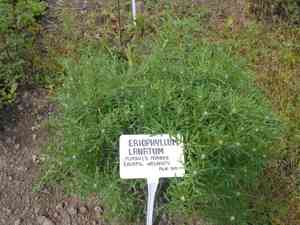
The optimal period for transplanting common Woolly Sunflower is in early spring, when mild weather and damp earth facilitate strong root development. Select a bright spot with soil that drains effectively. Should relocation be necessary, proceed with care to protect the root system.
What Preparations are Needed Before Transplanting Common Woolly Sunflower?
What is the Ideal Time for Transplanting Common Woolly Sunflower?
The optimal period for relocating common Woolly Sunflower is during the spring season. Warmer ground and cooler temperatures create perfect conditions for root establishment. Moving them during this time of renewal promotes robust growth and flowering. Placing common Woolly Sunflower at this point utilizes its natural growth cycle, providing a strong start and minimizing transplant shock, ensuring a vibrant and resilient display throughout the year. Embrace this window for a successful transplant journey with common Woolly Sunflower, and observe their lush development and vivid presence in your garden.
How Much Space Should You Leave Between Common Woolly Sunflower Plants?
When moving your common Woolly Sunflower, aim to provide each plant ample room to grow. Ideally, they should be positioned 1-2 feet (30-60 cm) apart. This spacing ensures they have sufficient area to spread and access necessary nutrients.
What is the Best Soil Mix for Common Woolly Sunflower Transplanting?
Your common Woolly Sunflower will thrive in well-drained soil enriched with compost or organic matter. Preparing the soil with a small amount of base fertilizer before transplanting can significantly aid their growth.
Where Should You Relocate Your Common Woolly Sunflower?
For the healthiest development of your common Woolly Sunflower, a spot with full sun exposure is ideal. If space is limited, a location with some afternoon shade will also work effectively.
What Equipments Should You Prepare Before Transplantation Common Woolly Sunflower?
Gardening Gloves
To safeguard your hands while handling the plant and soil.
Trowel
To excavate the hole for your common Woolly Sunflower and assist in careful removal from its current spot.
Watering Can
To hydrate the common Woolly Sunflower during and after relocation.
Spade
A larger implement if you are moving your common Woolly Sunflower from the ground.
Organic Compost
To supply nutrients to the common Woolly Sunflower after moving it to its new location.
Mulch
To help maintain moisture levels in the new site during and after transplanting.
How Do You Remove Common Woolly Sunflower from the Soil?
How Do You Remove Common Woolly Sunflower from the Soil?
From Ground: Before extracting the common Woolly Sunflower from the ground, water it to moisten the soil without making it waterlogged. Then, using a spade, dig a wide circle around the plant, being careful not to cut into the root system. Gently lift the common Woolly Sunflower from the hole. Handle the root ball with care to prevent root damage.From Pot: Water the common Woolly Sunflower to keep the root ball intact during removal. Carefully tilt the pot and lightly tap to loosen the plant's base. Gently pull the common Woolly Sunflower by grasping the base, not the stems.From Seedling Tray: Ensure the common Woolly Sunflower seedlings are well-hydrated before removal. Push up the tray's bottom beneath the seedling or use a dibber (or similar tool) to gently lift the plant, preserving as much of the root as possible.
Step-by-Step Guide for Transplanting Common Woolly Sunflower
Preparation
Begin by watering the common Woolly Sunflower in its original spot. This aids its survival through transplant shock.
Digging the Hole
Excavate a hole in the prepared area. The hole should be twice as wide and the same depth as the plant's root ball.
Placing the Plant
Position the common Woolly Sunflower into the hole. The top of the root ball should be level with the surrounding soil surface.
Backfill
Next, refill the hole with the excavated soil. Gently firm the soil around the base of the common Woolly Sunflower.
Watering
Thoroughly water the transplanted area, helping the common Woolly Sunflower's roots settle into their new environment.
Applying Compost
Apply a thin layer of organic compost around the common Woolly Sunflower, followed by a layer of mulch to retain moisture.
How Do You Care For Common Woolly Sunflower After Transplanting?
Watering
Consistent watering after relocation is vital until the common Woolly Sunflower has established itself. Be careful not to overwater or allow the plant to dry out.
Mulching
Continue to apply a layer of mulch to conserve water and inhibit weed growth.
Pruning
Lightly prune the common Woolly Sunflower if it exhibits signs of stress such as wilting or browning leaves. This will reduce the plant's need to support unnecessary growth and help it focus on root establishment.
Monitoring
Watch for indications of shock or distress, like yellowing foliage. If this occurs, shield the common Woolly Sunflower from direct sun exposure until it recovers.
Troubleshooting Common Issues with Common Woolly Sunflower Transplantation.
When is the most favorable time to transplant common Woolly Sunflower?
The optimal period for transplanting common Woolly Sunflower is during the first to third seasons. This can provide the plant with the right conditions for thriving.
What's the best distance between common Woolly Sunflower when transplanting?
Each common Woolly Sunflower should be spaced approximately 1-2 feet (30-60 cm) apart. This spacing ensures each plant will have ample room to grow.
What are the signs the common Woolly Sunflower is ready for transplanting?
Common Woolly Sunflower is generally prepared for transplanting when it has 2-3 sets of true leaves. Additionally, you should confirm the roots are well-developed.
Can common Woolly Sunflower be transplanted directly into the garden?
Indeed, direct transplantation is acceptable for common Woolly Sunflower if conditions are suitable, but remember, selecting the correct season for the transplant is crucial.
How deep should the hole be while transplanting common Woolly Sunflower?
The hole should be deep enough to accommodate the root ball of common Woolly Sunflower, typically about twice its width and as deep as the root length.
What should you do if common Woolly Sunflower wilts after transplanting?
Wilting usually signifies stress. Keep the soil moist and the plant in partial shade. Do not worry, wilting should subside once common Woolly Sunflower adapts.
How should the transplant hole be filled after placing common Woolly Sunflower?
Firmly pack the soil around the base of common Woolly Sunflower without compressing the roots. Ensure no air pockets remain, which can dry out roots.
Should one trim common Woolly Sunflower before transplanting?
A gentle trimming can help common Woolly Sunflower direct its energy towards establishing new roots. Therefore, it's advisable to prune lightly before the transplant.
What kind of soil is best for transplanting common Woolly Sunflower?
Common Woolly Sunflower prefers well-draining and fertile soil. However, it can adapt to most average garden soils. Incorporate organic material for improved fertility.
How much should water common Woolly Sunflower immediately following a transplant?
Thoroughly drench the soil around common Woolly Sunflower after transplanting, but avoid waterlogging. Ensure sufficient moisture for the roots to establish.



