How to Transplant Aspen Fleabane?
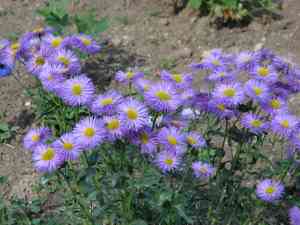
For successful relocation of aspen Fleabane, initiate the process in the optimal period of early to late spring. Select a spot featuring adequately draining earth and ample sunlight. Should it be necessary, offer additional attention by incorporating compost into the designated planting area.
Preparations Required Before Relocating Aspen Fleabane
Optimal Period for Transplanting Aspen Fleabane
The best time for moving aspen Fleabane is from early spring to late spring. This timeframe provides ideal soil moisture and temperature, helping the plant establish roots quickly and thrive in its new spot.
Recommended Spacing Between Aspen Fleabane Plants
For aspen Fleabane, a suitable distance for healthy development is 12-18 inches (30-45 cm) apart. This allows ample room for growth and ensures sufficient nutrient uptake from the soil.
Ideal Soil Mixture for Aspen Fleabane Transplantation
Prepare a welcoming environment for aspen Fleabane using well-draining, fertile soil. Incorporate organic compost or aged manure as a base fertilizer to enrich the soil and supply essential nutrients.
Choosing a New Location for Your Aspen Fleabane
To keep aspen Fleabane content, select a site that receives at least 6 hours of daily sunlight â ideally full sun to partial shade. This ensures the plant gets the energy needed for robust growth and beautiful blooms.
Equipment Needed Before Transplanting Aspen Fleabane
Gardening Gloves
To protect your hands when handling the plant and soil.
Garden Spade
For digging up the plant while preserving the root ball.
Transplanting Trowel
To excavate a suitable hole in the new planting site.
Garden Hose or Watering Can
For hydrating the plant before and after relocation.
Organic Mulch
To help retain soil moisture post-transplantation.
Bucket or Wheelbarrow
For transporting the aspen Fleabane plant from its original spot to the new one.
How to Extract Aspen Fleabane from the Soil
How to Extract Aspen Fleabane from the Soil
From Ground: First, thoroughly water the aspen Fleabane plant to soften the surrounding soil. Next, use your garden spade to dig a wide trench around the aspen Fleabane plant, being careful not to harm the rootball. Work the spade beneath the rootball to gently lift the plant.From Pot: If the plant is in a pot, water it well first. Then, invert the pot while supporting the aspen Fleabane plant's stem. Tap the bottom of the pot softly, and it should slide out.From Seedling Tray: First, push from the bottom to loosen the soil and roots. Grasp the aspen Fleabane plant's main stem and carefully lift it out, keeping as much soil around the roots as possible.
Step-by-Step Guide for Relocating Aspen Fleabane
Transplant Time
Move aspen Fleabane in the early morning or late evening to prevent plant stress during hot daylight hours.
Digging Hole
Use your transplanting trowel to dig a hole in the new location, ensuring it's wider and deeper than the rootball.
Placing the Plant
Carefully position the aspen Fleabane plant in the hole, making sure it's at the same depth as before.
Backfilling
Refill the surrounding area with the excavated soil, gently pressing around the plant's base.
Watering
Thoroughly water the plant after planting.
Mulching
Apply a layer of organic mulch around the plant's base to conserve moisture.
Post-Transplantation Care for Aspen Fleabane
Watering
For the initial weeks after moving aspen Fleabane, keep the soil consistently moist without overwatering.
Monitoring
Observe the plant for any indications of transplant shock, such as wilting, yellowing, or leaf drop.
Pruning
Remove any damaged or yellowing leaves after transplanting to help aspen Fleabane direct its energy towards root establishment.
Addressing Common Issues with Aspen Fleabane Transplantation.
When is the optimal time to transplant aspen Fleabane?
The ideal period to transplant aspen Fleabane is from early to late spring. This provides the plant with the best opportunity to establish properly before summer heat.
What spacing is recommended between each aspen Fleabane during transplantation?
Ideally, aspen Fleabane should be spaced 12-18 inches (30-45 cm) apart. This ensures each plant has adequate room to grow and flourish.
What action should I take if aspen Fleabane wilts after transplantation?
Don't worry! Plants typically wilt due to transplant shock. Ensure aspen Fleabane receives proper water and shade to recover and establish successfully.
How deep should the hole be for transplanting aspen Fleabane?
Plant aspen Fleabane at the same depth it was in its previous container. Too deep or too shallow could stress and potentially harm the plant.
My aspen Fleabane appears yellow after transplantation. What does this signify?
Yellow leaves might indicate overwatering or a nutrient deficiency. Gradually adjust the water level and consider adding a balanced organic fertilizer.
How frequently should I water aspen Fleabane after transplantation?
Aspen Fleabane prefers consistently moist soil, especially during the first few weeks post-transplantation. However, be careful not to waterlog the soil.
How can I ensure successful transplantation of aspen Fleabane?
Transplant aspen Fleabane during early to late spring, maintain appropriate spacing, and follow correct watering practices. Timely fertilization can also promote successful transplantation.
Why are the leaves of my aspen Fleabane dropping off after transplanting?
Leaf drop can be caused by transplant shock or significant changes in the plant's environment. Ensure aspen Fleabane receives proper care and time to adapt to its new location.
Is it normal for aspen Fleabane not to bloom immediately after transplantation?
Yes, this is entirely normal. Aspen Fleabane may require some time to adjust to its new surroundings and begin blooming. Be patient and continue your regular care routine.
Can I transplant aspen Fleabane into containers?
Absolutely! Ensure the container is deep enough for root spread and has good drainage. Also, consider a potting mix formulated for perennials.



