How to Transplant Purple lovegrass?
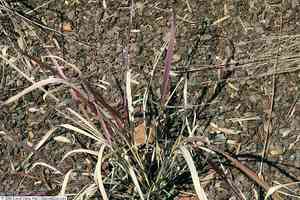
For optimal development, the ideal period to relocate purple lovegrass is between early and mid-spring, or from early to mid-summer. This timing enables the plant to become firmly rooted in a bright, well-draining spot. To guarantee a successful transfer, carefully loosen the root mass prior to introducing it to its new setting.
What Preparations are Needed Before Transplanting Purple Lovegrass?
What is the Ideal Time for Transplanting Purple Lovegrass?
The optimal period for relocating purple lovegrass spans from early to mid-spring or from early to mid-summer. Moving the plant during these times promotes successful root development due to favorable conditions. Timely transplantation ensures robust growth and vibrant displays of its characteristic colorful blooms.
How Much Space Should You Leave Between Purple Lovegrass Plants?
When transplanting purple lovegrass, it's best to position plants 6-12 inches (15-30 cm) apart. This provides ample room for them to expand and flourish without competing for essential resources.
What is the Best Soil Mix for Purple Lovegrass Transplanting?
For purple lovegrass, prepare a soil that drains well, incorporating a blend of sand, loam, or clay. Enhance the soil by adding compost or an organic slow-release fertilizer to enrich it and supply nutrients.
Where Should You Relocate Your Purple Lovegrass?
Select a site for purple lovegrass that receives full sun to partial shade. The plant thrives with at least 6 hours of direct sunlight daily, but can endure some shaded conditions.
What Equipments Should You Prepare Before Transplantation Purple Lovegrass?
Gardening gloves
These will safeguard your hands when handling the soil and the plant material.
Spade or shovel
This tool will be useful for excavating the plant from its original spot and preparing the new planting site.
Watering can
You'll need this to hydrate the soil both before and after the transplanting process.
Mulch
This is essential for protecting the roots post-transplant, and it aids in maintaining soil moisture.
How Do You Remove Purple Lovegrass from the Soil?
How Do You Remove Purple Lovegrass from the Soil?
From Ground: Start by moistening the soil around the purple lovegrass plant to facilitate its removal. Use a shovel or spade to dig a wide circle around the plant, being careful not to harm the root ball. Once sufficiently deep, slide your tool beneath the root ball and gently lift it from the ground.From Pot: If your purple lovegrass plant is in a container, water it first, then turn the pot on its side. Hold the plant near its base and carefully slide it out. If it doesnât release easily, tap the pot's sides to loosen the soil.From Seedling Tray: If the plant is in a seedling tray, water it thoroughly beforehand. Push from the bottom of the individual cell to lift the seedling, retaining as much soil with the roots as possible.
Step-by-Step Guide for Transplanting Purple Lovegrass
Plant Removal
Using the appropriate method for your situation, carefully extract the purple lovegrass plant from its initial location. Be cautious to avoid damaging the roots during this process.
Hole Preparation
Excavate a hole at the new planting site that is twice as wide but the same depth as the purple lovegrass plant's root ball.
Transplanting
Gently position the plant in the hole, ensuring the top of the root ball is level with the ground surface. Backfill the hole with the excavated soil, compacting it firmly but gently around the root ball.
Watering
After transplanting, thoroughly water the plant to settle the soil around the roots and assist its recovery from transplant shock.
How Do You Care For Purple Lovegrass After Transplanting?
Watering
Ensure the soil surrounding the transplanted purple lovegrass plant remains consistently damp but not waterlogged. Periodically check the top inch of soil for dryness and irrigate as necessary.
Protecting
Shield the newly transplanted plant from heavy rain, intense sun, strong winds, or sudden frost for one to two weeks as it establishes. A temporary screen or cover can be beneficial.
Monitoring
Observe the purple lovegrass plant closely, looking for unstable growth or any indications of disease or pest activity. If you notice wilting or discoloration of leaves, adjust watering or consider protecting it from harsh conditions.
Troubleshooting Common Issues with Purple Lovegrass Transplantation.
When is a prime time to transplant purple lovegrass?
For best outcomes, transplant purple lovegrass from early to mid-spring or from the beginning of summer to mid-summer.
What's ideal spacing for purple lovegrass when transplanting?
Spacing is crucial. Maintain a distance of 6-12 inches (15-30 cm) between purple lovegrass plants. This encourages growth while preventing overcrowding.
Should I water purple lovegrass immediately after transplanting?
Yes, water purple lovegrass right after transplanting. This minimizes transplant shock and aids in faster root establishment.
What soil is best for transplanting purple lovegrass?
Transplant purple lovegrass into well-draining soil. They prefer sandy or loamy soils to maintain proper moisture balance.
How to prepare purple lovegrass before starting the transplanting process?
Before beginning the process, thoroughly water purple lovegrass so that the root ball is moist. This facilitates easier removal.
Can I transplant purple lovegrass even on a really hot day?
Transplanting purple lovegrass in extreme temperatures can cause stress. Choose a mild, overcast day or early in the morning.
How deep should I plant purple lovegrass when transplanting?
Plant purple lovegrass at the same depth as it was in its previous location to prevent root exposure to the sun.
Is it necessary to deadhead purple lovegrass after transplanting?
Deadheading - removing spent flowers - is not essential. However, cutting back in late winter can stimulate new growth.
How to cater to purple lovegrass immediately after transplanting?
Post-transplant, water purple lovegrass well, but avoid fertilizer for a few weeks. This allows it to adapt to its new environment.
Why are my newly transplanted purple lovegrass wilting?
Wilting often indicates transplant shock, which is usually temporary. Ensure adequate watering, and avoid exposing purple lovegrass to temperature extremes.



