How to Transplant Rough horsetail?
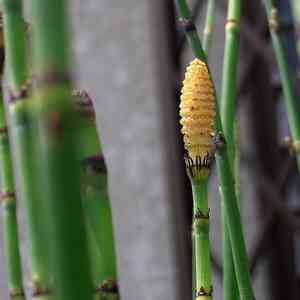
The ideal period for relocating rough horsetail is in the latter part of spring or the initial weeks of summer, as temperatures are perfectly suited for robust development. Select a site featuring damp, adequately draining earth and dappled sunlight. To achieve superior outcomes, handle the root system delicately during the relocation and provide ample hydration following the procedure.
What Preparations are Needed Before Transplanting Rough Horsetail?
What is the Ideal Time for Transplanting Rough Horsetail?
The best time to move rough horsetail is late spring or early summer. This timing allows the plant to establish itself before peak summer heat. Transplanting then provides rough horsetail with a long, uninterrupted growth period, crucial for perennial plants like it.
How Much Space Should You Leave Between Rough Horsetail Plants?
For rough horsetail, it's best to space them about 18-24 inches (45-60 cm) apart. This provides each plant ample room to develop and thrive.
What is the Best Soil Mix for Rough Horsetail Transplanting?
When planting rough horsetail, use a soil mix that drains well and contains ample organic matter. Incorporate a slow-release, granular fertilizer into the soil to help your plant flourish.
Where Should You Relocate Your Rough Horsetail?
Find a garden spot that receives partial to full sunlightârough horsetail can tolerate both. Just ensure it's sheltered from strong winds to protect its delicate structure.
What Equipments Should You Prepare Before Transplantation Rough Horsetail?
Gardening Gloves
To safeguard your hands while handling soil and the plant.
Shovel or Spade
To dig holes for rough horsetail transplantation and to extract it from its original spot.
Hand Trowel
For precise soil excavation and loosening any surrounding roots.
Pruning Shears
To trim away any damaged or dead parts of the rough horsetail.
Watering Can or Hose with a Gentle Spray Nozzle
For hydrating the plant before and after its relocation.
Compost or Organic Matter
To enhance the planting site's soil and supply nutrients for your rough horsetail.
How Do You Remove Rough Horsetail from the Soil?
How Do You Remove Rough Horsetail from the Soil?
From Ground: First, moisten the rough horsetail plant's soil with water. Then, using a shovel or spade, dig a wide trench around the plant, ensuring the root ball remains intact. Carefully work the spade beneath the root ball to lift the plant from its initial location.From Pot: Gently lay the pot containing the rough horsetail on its side, tapping the edges to loosen the soil. Slowly slide the plant out of the pot, being careful not to harm the root ball.From Seedling Tray: Water the tray to make the soil easier to manage. Then, carefully lift the rough horsetail seedling from the tray by placing your fingers on either side of the stem and applying gentle upward pressure.
Step-by-Step Guide for Transplanting Rough Horsetail
Preparation
Select the transplanting site, ideally one with adequate sunlight and room for your rough horsetail plant to reach its full size. Clear any debris or weeds from the area.
Digging
Use your shovel or spade to create a hole in the planting site that matches the depth and is twice the width of the plant's root ball.
Enrich the Soil
Mix compost or organic matter into the soil removed from the hole to provide your rough horsetail with extra nutrients.
Placing the Plant
Carefully lower rough horsetail into the hole, ensuring the root ball is level with the surrounding soil. Avoid compacting the soil around the roots, as this can hinder growth.
Filling the Hole
Gently backfill the hole around the plant with the soil and organic matter mixture. Lightly pat the soil to eliminate any air pockets.
Watering
Thoroughly water your rough horsetail to help the soil settle around the plant and remove any remaining air pockets.
How Do You Care For Rough Horsetail After Transplanting?
Watering
Keep the soil around the rough horsetail consistently moist, but not waterlogged, for the initial weeks after transplanting to encourage strong root development.
Weeding
Remove any weeds near the newly transplanted plant to prevent competition for nutrients and water.
Pruning
Use pruning shears to trim off any damaged or dead parts of the rough horsetail, which can promote new and healthy growth.
Monitoring
Observe your rough horsetail closely during the first few months post-transplant. Look for signs of stress or other issues like wilting, yellowing, or poor growth, and address any concerns promptly.
Troubleshooting Common Issues with Rough Horsetail Transplantation.
When is the best time to transplant rough horsetail?
The optimal period to transplant rough horsetail is in late spring or early summer.
What is the ideal spacing for rough horsetail when transplanting?
Allow each rough horsetail ample space to growâabout 18-24 inches (45-60 cm) apart is ideal.
Why are my rough horsetail plants wilting after transplanting?
Wilting may be due to transplant shock. Ensure adequate watering without oversaturating the soil and provide partial shade.
How deep should the hole be when transplanting rough horsetail?
The hole should be twice as wide as and as deep as the root ball of your rough horsetail.
How to identify the right location for transplanting rough horsetail?
Rough horsetail prefers a spot with partial to full sun exposure and well-draining soil. Avoid areas where water collects.
Why is my rough horsetail turning brown after transplanting?
Browning might be caused by sunscorch or insufficient watering. Ensure the plant receives proper sunlight and enough water.
Can I transplant rough horsetail in a container? If yes, how big should it be?
Yes, you can. A container with a 12 inches (30 cm) diameter or larger would be suitable to allow for growth.
How can I ensure higher survival rate while transplanting rough horsetail?
Ensure you water rough horsetail before and after transplanting, avoid disturbing the root ball, and do not transplant on excessively hot or windy days.
Should I prune the rough horsetail before transplanting it?
No, pruning is not necessary before transplanting. You can remove damaged or diseased stems after transplanting, however.
How often should I water rough horsetail after transplanting?
Water your new rough horsetail daily for the first week after transplanting, then reduce to every other day in the subsequent week.



