How to Transplant Fireweed?
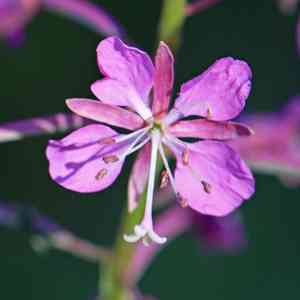
The ideal period for relocating fireweed is from early to late spring, when the ground is pliable but still cool. Select a site that provides abundant sunlight and features damp, adequately draining earth. Careful management of the root structure during the transfer guarantees optimal integration.
What Preparations are Needed Before Transplanting Fireweed?
What is the Ideal Time for Transplanting Fireweed?
For fireweed, the perfect time for moving is during nature's revival, mainly from early spring's awakening through late spring's flourishing days. This timing helps fireweed roots settle well in cool, moist soil, giving them a strong start for vigorous summer growth. Relocating fireweed in this season utilizes the natural cycle of renewal, leading to a vibrant display. Such strategic timing promotes robust development, as mild weather minimizes transplant shock, ensuring a smooth transition for fireweed to its new home.
How Much Space Should You Leave Between Fireweed Plants?
When getting ready to move fireweed, it's best to allow each plant ample room to thrive. Aim for spacing roughly 12 inches (30 cm) to 3 feet (91 cm) apart. This provides plants sufficient area to reach their full potential without becoming overcrowded.
What is the Best Soil Mix for Fireweed Transplanting?
The perfect soil for fireweed is well-drained and nutrient-rich. Mixing compost or a general-purpose fertilizer into the soil beforehand will encourage strong development. New gardeners, remember to water the soil after adding fertilizer!
Where Should You Relocate Your Fireweed?
Find a sunny spot for your fireweed, as it flourishes in areas with abundant sunlight. Partial shade can also work, but full sun is where fireweed will truly excel. The correct location will help your plants grow vigorously and bloom beautifully.
What Equipments Should You Prepare Before Transplantation Fireweed?
Gardening Gloves
To safeguard your hands while handling soil and plants.
Shovel or Spade
For excavating the plant and preparing a new planting site.
Watering Can
To hydrate the plant before and after the relocation process.
Gardening Trowel
For more precise work with the plant and its root system.
Pruners or Scissors
To trim any dead or excessively long roots.
Wheelbarrow or Garden Cart
To transport the plant and soil materials.
Mulch
To help maintain soil moisture and suppress weeds around the new planting area.
How Do You Remove Fireweed from the Soil?
How Do You Remove Fireweed from the Soil?
From Ground: Water the fireweed thoroughly to make the soil more pliable. Carefully dig around the plant with a shovel, creating a wide perimeter to avoid root damage. Gently pry under the root ball and lift the plant from its spot.From Pot: Moisten the soil in the pot to minimize root disturbance. Tilt the pot sideways and gently tap or squeeze the sides to loosen the fireweed. Carefully slide the plant out, supporting the root ball.From Seedling Tray: Ensure the soil is damp and use a gardening trowel or your fingers to gently lift the fireweed from its cell, supporting the soil and root mass to prevent them from breaking apart.
Step-by-Step Guide for Transplanting Fireweed
Preparation
Gather all necessary tools and thoroughly water the fireweed before beginning the removal process to lessen transplant shock and facilitate lifting the root ball from its current spot. Always remember to be gentle to avoid damaging the plant's roots and leaves as much as possible during this step and throughout the transplant process. Your attentive care begins here, setting the stage for a successful transition for your fireweed. You're doing great so far! Keep it up as you move to the next steps where precision meets kindness to give this wonderful fireweed a new home where it will thrive. After all, every plant deserves a gardener's gentle touch and keen eye for detail.
Digging The New Hole
The new home for your fireweed should be prepared and waiting. Create a hole twice as wide as the root ball and of the same depth it was previously growing at. This ensures fireweed remains at a comfortable depth—neither too deep nor too shallow. The ample width encourages roots to spread and claim their new territory. Imagine the roots comfortably stretching out like one would in a luxurious bed and make that vision a reality with your careful digging.
Placing The Plant
Carefully transport your fireweed to its new location, either by supporting the root ball with your hands or placing it in a wheelbarrow if it's a larger specimen. Now, it's time to settle the fireweed into its new spot. Gently place it in the hole and ensure it stands tall and upright, as it should. Positioning is crucial, so center your fireweed and make sure it's not leaning like the Tower of Pisa, but rather resembling the steadfastness of a guiding lighthouse.
Filling The Hole
Carefully backfill the hole with the excavated soil, patting it around the fireweed to eliminate air pockets. It's like swaddling a baby; a firm yet gentle touch is needed to secure the fireweed in its new bed without overly compacting the soil. You're almost at the finish line—the fireweed is relying on your nurturing instincts to guide it through this change successfully.
Watering Generously
Now that the fireweed is comfortably settled in its new home, it's time for a good drink of water. Water around the base until the soil is thoroughly moist but not waterlogged. Imagine offering a parched friend a refreshing drink—it's that act of replenishment that rejuvenates and revitalizes.
Applying Mulch
Apply a layer of mulch around the base of the fireweed, leaving some space around the stem. This protective layer will help the soil retain moisture and deter any weed invaders looking to disrupt the fireweed's housewarming. Think of it as the final, safeguarding touch to a process completed with care and affection.
How Do You Care For Fireweed After Transplanting?
Monitoring
Regularly inspect the fireweed for signs of stress such as wilting or discolored leaves. Early detection allows for swift action to help your plant recover more quickly. Your attentiveness will be rewarded with the plant's steady growth and vibrant displays.
Adjustments
Be prepared to offer additional support if necessary. If your fireweed is leaning or not standing upright, a stake or plant tie can provide the backing it needs. Like a friend offering a shoulder to lean on, you're ensuring your fireweed doesn't have to face this alone.
Pruning
Snip off any damaged or dead parts of the fireweed to direct the plant's energy towards establishing its roots and producing fresh, new growth. Consider this as helping your fireweed shed unnecessary burdens, so it can concentrate on flourishing in its new environment.
Consistency
For the initial few weeks, maintain consistent care. Regular watering is crucial until your fireweed is established. Consistency forms the foundation of trust in any relationship, and it's no different between you and your fireweed. Show it you’re dependable, and it will reward you with its splendid beauty.
Troubleshooting Common Issues with Fireweed Transplantation.
When is the best time to transplant fireweed?
Transplant fireweed ideally from early to late spring when temperatures support root establishment.
How far apart should I space fireweed during transplanting?
Space fireweed anywhere from 12 inches to 3 feet (30 cm to 91 cm) apart for optimal growth.
Why is my transplanted fireweed wilting?
Wilting may occur if roots were damaged during transplanting or from lack of water; ensure gentle handling and adequate moisture.
How deep should the hole be for transplanting fireweed?
Dig a hole as deep as the root ball and twice as wide to encourage root expansion.
What type of light conditions do fireweed need after transplanting?
Place fireweed in a location with full sun to partial shade to support its growth post-transplant.
How do I prepare the soil for transplanting fireweed?
Enrich the soil with compost and ensure it's well-draining to provide a good foundation for fireweed.
My transplanted fireweed is not growing, what could be wrong?
Slow growth could be due to transplant shock, insufficient watering, or soil nutrient deficiency. Patience and proper care are key.
How much should I water fireweed after transplanting?
Water fireweed thoroughly upon transplanting and keep soil consistently moist without overwatering for the first few weeks.
Can I fertilize fireweed immediately after transplanting?
Wait a few weeks post-transplant to fertilize fireweed to avoid burning the roots while they are establishing.
Is it necessary to prune fireweed when transplanting?
Pruning isn't necessary during transplanting, but remove any damaged or dead foliage to focus growth on healthy roots and shoots.



