How to Transplant Abyssinian banana?
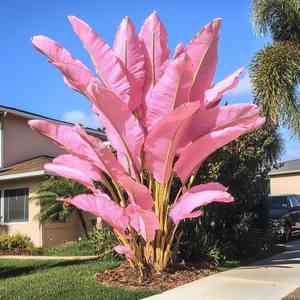
Relocating abyssinian banana flourishes when performed in the spring as temperatures rise. Select a bright spot with fertile earth. For bigger plants, provide stakes for stability. Bear in mind, a delicate approach is crucial for root health.
What Preparations are Needed Before Transplanting Abyssinian Banana?
What is the Ideal Time for Transplanting Abyssinian Banana?
The beginning of the active growth period, just as the cold of winter recedes, offers the perfect chance to relocate your abyssinian banana. This gentle phase, often marked by nature's revival, allows abyssinian banana to establish its root system in moderate temperatures while preparing for the vigorous development prompted by warmer weather ahead. Moving abyssinian banana during this time encourages strong root growth and adaptation, which is vital for enduring the hot summer months. With milder days and cooler nights, your abyssinian banana benefits from optimal conditions, ensuring a smooth transition to its new spot.
How Much Space Should You Leave Between Abyssinian Banana Plants?
When relocating abyssinian banana, ensure they have ample room to expand. Ideally, position them 6-8 feet (1.8-2.4 meters) apart. This will provide sufficient space for their large leaves.
What is the Best Soil Mix for Abyssinian Banana Transplanting?
For abyssinian banana, a fertile, well-draining soil is optimal. Prepare a foundational fertilizer blend with compost, manure, and a slow-release granular feed. This will supply essential nutrients for robust development.
Where Should You Relocate Your Abyssinian Banana?
Select a site that receives abundant sunlight for abyssinian banana. These plants flourish in full sun, but they can also endure partial shade. Just ensure the area gets at least 6 hours of sun daily.
What Equipments Should You Prepare Before Transplantation Abyssinian Banana?
Shovel
To excavate the planting hole for abyssinian banana and to dig up the plant from its original spot if necessary.
Gardening Gloves
To safeguard your hands while handling soil and the plant.
Pruning Shears
Can be utilized to trim any damaged roots or leaves during the relocation process.
Wheelbarrow
Helpful for moving the abyssinian banana plant from its initial location to the new transplant site.
Watering Can
To hydrate the plant both before and after transplanting, which will facilitate easy removal and aid in new root establishment.
Tarp
To hold excavated soil and to shield the root ball during transport.
Plant Ties (Optional)
To secure tall or heavy plants, preventing them from falling over or causing self-inflicted harm or damage to their surroundings.
Compost (Optional)
To enrich the soil with additional nutrients, assisting abyssinian banana in recovering from transplant shock.
How Do You Remove Abyssinian Banana from the Soil?
How Do You Remove Abyssinian Banana from the Soil?
From Ground: Prior to removing the abyssinian banana plant, water it thoroughly to moisten the soil, which makes it easier to dig out and lessens stress on the plant. Carefully dig around the plant with a shovel, wide enough to encompass the root spread, aiming to avoid damaging the root system. Once you can get the shovel beneath the plant and lift it, do so gently, preserving the root ball as much as possible.From Pot: If the abyssinian banana is in a container, you can water the plant first to dampen the soil. Remember to stop when you observe water draining from the pot's bottom. Then, tilt the pot and gently coax the plant out by carefully pulling at the base of the abyssinian banana plant. Avoid pulling it out by the stem or leaves, which can harm the plant. Tap the sides and bottom of the pot if the plant is resistant to coming out. The objective here is to extract the plant and its root ball from the pot as intact as possible.From Seedling Tray: If the abyssinian banana plant is still young and in a seedling tray, you can carefully separate the seedlings by their root clumps. Use a small tool to lift out the seedling, gently holding it by the leaves, lifting it without squeezing the stem. Once lifted, keep the root and soil clump undisturbed.
Step-by-Step Guide for Transplanting Abyssinian Banana
Hole Preparation
Excavate a broad hole, roughly twice the width and depth of the abyssinian banana's root ball. This will provide ample space for the roots to spread and grow in their new location. The hole should be deep enough so that, when positioned inside, the top of the plant’s root ball sits at, or slightly above, ground level.
Plant Placement
Center the abyssinian banana in the hole and spread its roots over the soil. This will ensure the plant is stable and won't tip over. Adjust the plant's level according to your initial assessment in step 1.
Backfill
Fill the hole halfway with soil, then water thoroughly to eliminate any air pockets and to settle the soil. Allow it to drain, then add the remaining soil, firming it around the base of the abyssinian banana.
Watering
Water the abyssinian banana thoroughly after relocation. This helps the plant settle into its new spot and prevents transplant shock.
How Do You Care For Abyssinian Banana After Transplanting?
Watering
Water the abyssinian banana generously at regular intervals during the initial weeks following transplanting. Closely monitor the moisture level and only re-water once the top inch of soil has dried out. Excessive watering can be as detrimental as insufficient watering.
Pruning
If your abyssinian banana has lost a significant amount of roots during relocation or is stressed, trim the top of the plant to compensate for root loss and encourage new growth.
Inspecting
Regularly examine your abyssinian banana for indications of stress or illness. Yellowing or wilting leaves can signal distress, typically from overwatering or underwatering, too much sunlight, or a lack of nutrients.
Protection
Depending on the season or your region's climate, you might need to provide your abyssinian banana with some protection. For instance, a layer of mulch can help retain moisture during hot, dry periods, while a plant cover can shield your abyssinian banana from frost in colder climates.
Troubleshooting Common Issues with Abyssinian Banana Transplantation.
When is the best time to transplant abyssinian banana?
The optimal period to relocate abyssinian banana is during early spring ('S1'). This season offers the ideal conditions for easy establishment.
What is the ideal spacing when transplanting abyssinian banana?
You should position each abyssinian banana approximately 6-8 feet (1.8-2.4 meters) apart. This provides each plant with ample room for growth.
Why is abyssinian banana wilting after being transplanted?
Wilting could be a result of transplant shock. Help abyssinian banana recover by watering it thoroughly, but avoid letting it sit in water. It requires well-drained soil.
How should I prepare the ground for transplanting abyssinian banana?
The soil needs to be rich and well-draining. Loosen it by digging approximately 12 inches (30 cm) deep and widening it to accommodate the spindle-shaped roots of abyssinian banana.
Is there a correct way to remove abyssinian banana for transplanting?
Absolutely! Gently dig around abyssinian banana at a distance of 2 feet (0.6 meters) to prevent root damage. Slowly lift it to keep as much of the root ball intact as possible.
How should I water abyssinian banana after transplanting it?
Abyssinian banana prefers moist soil, not waterlogged soil. After transplanting, water it deeply and consistently until it's well-established, but avoid overwatering to prevent root rot.
Should I add any plant food or supplements while transplanting abyssinian banana?
Indeed! A slow-release fertilizer rich in potassium and phosphorus will help abyssinian banana establish faster. Use it according to the product's instructions for optimal results.
Is it normal for abyssinian banana to lose some leaves after transplanting?
Yes, it's normal. Transplant stress can lead to leaf drop. Continue caring for your abyssinian banana, and it should rebound with fresh, healthy growth soon.
How much sun does abyssinian banana need after being transplanted?
Abyssinian banana thrives in full sun. While it can tolerate partial shade, 6-8 hours of direct sunlight daily is best for its growth post-transplantation.
What can I do if the transplanted abyssinian banana isn't growing as expected?
Ensure it's receiving sufficient sun, water, and proper nutrients. Try relocating it to a different spot or adjusting your watering routine. If problems persist, consult with a local extension service.



