How to Transplant Black crowberry?
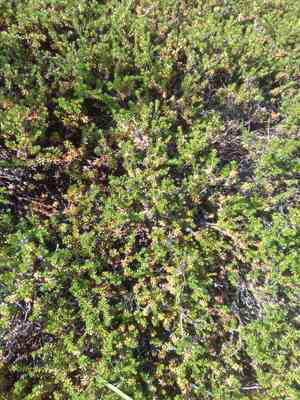
Welcome the spring revival by relocating black crowberry when the ground revitalizes. Choose a spot that replicates its native, chilly environment, ideally with acidic earth. When tending to black crowberry, a gentle approach guarantees a smooth move to its new home.
What Preparations are Needed Before Transplanting Black Crowberry?
What is the Ideal Time for Transplanting Black Crowberry?
Spring, with its gentle beginnings, is perfect for establishing black crowberry in its new spot. During this period, mild temperatures and increased rainfall create optimal conditions for root development, without the stress of intense heat or frost. Transplanting black crowberry then, ensures it has sufficient time to strengthen before summer's peak or winter's cold. Undertaking this timely gardening task will not only boost survival rates but also encourage robust growth, setting the stage for a lush, green presence in your garden.
How Much Space Should You Leave Between Black Crowberry Plants?
When preparing a location for black crowberry, remember to provide ample room for its growth. Ideally, plants should be spaced approximately 1-2 feet (30-60 cm) apart. This will allow sufficient space for your black crowberry to develop and flourish.
What is the Best Soil Mix for Black Crowberry Transplanting?
Black crowberry thrives in acidic, well-drained soil rich in organic material. Before transplanting, amend the soil by incorporating organic compost and an acid-based fertilizer. This will give your black crowberry a strong start.
Where Should You Relocate Your Black Crowberry?
Select a location for your black crowberry that receives full sun to partial shade. It flourishes with about 6 hours of sunlight but can endure some shade. Observing the sun's path will help your black crowberry thrive.
What Equipments Should You Prepare Before Transplantation Black Crowberry?
Garden Spade
Used for digging holes and lifting the plant from its original spot.
Gardening Gloves
To safeguard your hands while handling soil and plants.
Compost
To supply the initial nutrients needed for your black crowberry plant.
Garden Trowel
To assist in digging small holes and scooping soil.
Watering Can
To hydrate the plant after transplanting.
Mulch
To help maintain soil moisture post-transplantation.
How Do You Remove Black Crowberry from the Soil?
How Do You Remove Black Crowberry from the Soil?
From Ground: First, water the black crowberry plant to moisten the soil, which facilitates removal. Then, use a garden spade to dig a wide trench around the plant, being careful not to harm the root ball. Gently work the spade beneath the root ball to lift the plant from its original position. From Pot or Seedling Tray: Water the plant an hour before transplantation; this dampens the soil and reduces stress on the plant during the process. Carefully turn the pot sideways, hold the plant by its root base, and gently tap the pot's edge on a firm surface to release the plant. Be attentive during this, ensuring no damage to the plant.
Step-by-Step Guide for Transplanting Black Crowberry
Hole Preparation
Dig a hole in the chosen area using the garden spade. The hole should be twice as wide and slightly shallower than the black crowberry plant's root ball. Adjust the hole's depth as needed.
Placing the Plant
Position the black crowberry plant in the hole. The top of the root ball should be slightly above the surrounding soil to allow for settling and proper water drainage.
Backfilling
Refill the hole with the original soil. A small amount of compost can be added for additional nutrients. Use the garden trowel for this step.
Watering
Immediately after planting black crowberry, water it thoroughly with a watering can to settle the soil around the plant's roots.
Mulching
Apply a layer of mulch around the black crowberry to conserve water and inhibit weed growth.
How Do You Care For Black Crowberry After Transplanting?
Irrigation
Consistent watering is crucial in the initial weeks after transplanting black crowberry to help establish strong roots. However, avoid excessive watering as it can lead to root rot.
Pruning
After transplanting, it might be necessary to trim back the black crowberry to reduce water loss through transpiration.
Monitor
Keep a close watch on your black crowberry after transplanting; recognizing any signs of stress like yellowing or drooping leaves early can save your plant.
Temperature
Ensure your black crowberry is not exposed to extreme temperatures after transplantation, to prevent shock and encourage healthy establishment.
Troubleshooting Common Issues with Black Crowberry Transplantation.
When is the best time to transplant black crowberry?
The ideal period for relocating black crowberry is either in late winter or early spring (January to March). Timing is crucial for successful transplanting!
What's the ideal spacing for black crowberry during transplantation?
When transplanting black crowberry, ensure each plant is about 1-2 feet (30-60 cm) apart. This provides ample room for growth and helps prevent overcrowding.
Can I transplant black crowberry in dry, hard soil?
Black crowberry prefers well-draining, slightly acidic soil. If the soil is too hard or dry, incorporate organic matter to improve its texture and enhance moisture retention.
How much should I water black crowberry after transplantation?
After transplantation, ensure the soil remains consistently moist. Do not saturate it; just keep it damp. Regular but controlled watering promotes healthy root development.
Is it necessary to prune black crowberry before or after transplanting?
No, black crowberry does not typically require extensive pruning. However, if the plant is damaged or diseased, remove these parts prior to transplantation.
Is it okay to transplant black crowberry into a container?
Yes, black crowberry can grow in containers. Make sure the pot is sufficiently large for growth and has adequate drainage holes to prevent waterlogging.
Does black crowberry need sunlight or shade after transplantation?
Black crowberry performs well in both full sun and partial shade. However, after transplantation, temporary shading may help the plant adjust and reduce shock.
Should I add fertilizer while transplanting black crowberry?
Adding a slow-release granular fertilizer during transplantation can boost black crowberry's health. However, be careful not to overfeed, as this plant has low nutrient requirements.
What should I do if the black crowberry is wilting after transplantation?
Wilting can indicate water stress. Ensure black crowberry is adequately watered but not waterlogged. If conditions persist, check for root damage or disease.
Do I need to prepare the transplantation site for black crowberry?
Absolutely! Prior preparation of the site, such as weeding and amending soil with organic matter, can significantly improve black crowberry's chances of survival after transplantation.



