How to Transplant False black pepper?
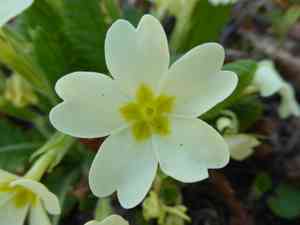
The ideal period for relocating false black pepper is during the gentle warmth of early to mid-spring, which encourages vigorous development. Select a location offering filtered light and soil that drains effectively. If necessary, confirm the soil is adequately hydrated prior to transplanting to minimize strain on false black pepper.
What Preparations are Needed Before Transplanting False Black Pepper?
What is the Ideal Time for Transplanting False Black Pepper?
Relocate false black pepper during the spring, when days lengthen but intense heat is absentâthis ensures a smooth transition for its root system. This season, characterized by mild weather, provides optimal conditions for false black pepper to thrive. Its roots appreciate the spring's damp earth, flourishing before summer's demands. You're giving false black pepper a head start, as the moderate spring climate aids acclimatization, fostering growth and resilience in your perennial companion.
How Much Space Should You Leave Between False Black Pepper Plants?
When preparing to rehome false black pepper, ensure a spacing of 4-6 feet (1.2-1.8 meters) between them. This provides ample room for your plants to develop without competing for essential nutrients and sunlight.
What is the Best Soil Mix for False Black Pepper Transplanting?
Before introducing false black pepper to your garden, incorporate well-draining loamy soil with compost to provide a nutrient-rich foundation. A balanced, slow-release fertilizer will ensure false black pepper receives the consistent nourishment it needs for robust growth.
Where Should You Relocate Your False Black Pepper?
Select a garden location that receives partial to full sunlight for false black pepper. These plants enjoy sun exposure, so ensure they benefit from gentle morning light but have some protection during the most intense afternoon sun.
What Equipments Should You Prepare Before Transplantation False Black Pepper?
Gardening Gloves
To safeguard your hands when handling soil and false black pepper.
Spade or Shovel
For excavating false black pepper with minimal disruption to its roots.
Watering Can or Hose
To hydrate false black pepper both before and after its relocation.
Wheelbarrow or Garden Cart
For moving false black pepper from its original spot to the new site.
Pruning Shears
For trimming any damaged roots or foliage.
Gardening Trowel
For adjusting the planting hole where false black pepper will be placed.
Measuring Tape
To ensure correct spacing between plants.
Mulch
To apply around the base of false black pepper after transplanting for moisture retention and weed suppression.
How Do You Remove False Black Pepper from the Soil?
How Do You Remove False Black Pepper from the Soil?
From Ground: Hydrate false black pepper to soften the earth. Use a spade to dig a wide trench around the plant, making sure to include the entire root ball. Carefully lift the plant, aiming to keep as much soil as possible around its roots.From Pot: Water false black pepper thoroughly. Hold the plant at its base, and turn the pot on its side. Tap the bottom and sides of the pot to loosen the soil. Gently slide the plant out, supporting the root ball.From Seedling Tray: Water the compartments to make the soil pliable. Use a gardening trowel or your fingers to push the soil from the bottom of the compartment. Carefully lift the seedling, supporting the soil around its roots.
Step-by-Step Guide for Transplanting False Black Pepper
Preparation
Gather all necessary tools and confirm the new planting site is ready for false black pepper. Water the plant in its current location before attempting removal to lessen transplant shock and facilitate digging.
Root Ball
Carefully dig around false black pepper to extract it with a large, intact root ball. Use a spade or shovel, starting several inches from the base to prevent root damage.
Transport
Place false black pepper in a wheelbarrow or garden cart to move it to the new location without disturbing the root ball. Handle it gently to avoid jarring and impacts.
Hole Preparation
At the new site, excavate a hole twice the width of the root ball and the same depth. Loosen the soil at the bottom of the hole with a trowel.
Placement
Carefully lower false black pepper into the hole, positioning it at the same depth it was previously growing. Backfill the hole with soil, gently tamping down to eliminate air pockets.
Initial Watering
Water false black pepper thoroughly after planting to settle the soil and hydrate the roots. Use a watering can or hose to apply water directly to the base.
How Do You Care For False Black Pepper After Transplanting?
Immediate Watering
Water false black pepper deeply right after transplanting to help mitigate transplantation shock and provide moisture for the stressed roots.
Mulching
Apply a layer of mulch around the base of false black pepper to conserve moisture, regulate soil temperature, and reduce weed growth.
Regular Observations
Monitor false black pepper frequently for indications of stress or insufficient water. Pay close attention to leaf wilting or discoloration.
Staking
If false black pepper is tall or unstable, use a stake to provide support until its roots establish and can independently support the plant.
Limited Fertilization
Avoid immediate fertilization; allow false black pepper to recover from the shock of transplanting before applying fertilizer.
Consistent Watering Schedule
Establish a regular watering routine to help false black pepper develop a robust root system. Water should penetrate to the root zone to encourage deep root growth.
Troubleshooting Common Issues with False Black Pepper Transplantation.
What's the best time to transplant false black pepper for optimal growth?
Relocating false black pepper during early to late spring ensures the plant establishes well before winter.
How far apart should I space false black pepper when transplanting?
Spacing false black pepper 4-6 feet (1.2-1.8 meters) apart provides ample room for growth and air circulation.
Why are my transplanted false black pepper wilting post-transplant?
Wilting may indicate shock or insufficient water. Ensure the soil is moist and conditions are similar to its previous environment.
How deep should the hole be for transplanting false black pepper?
Dig a hole twice as wide and the same depth as the root ball to prevent root congestion.
Can I transplant false black pepper on a rainy day?
Yes, cloudy or lightly rainy conditions reduce transplant shock by keeping roots hydrated.
Should I fertilize false black pepper immediately after transplanting?
Wait a few weeks before fertilizing to avoid damaging new roots while they are settling.
How much should I water false black pepper after transplanting?
Water deeply until the soil is saturated but not waterlogged to aid root establishment.
What type of soil is best when transplanting false black pepper?
Use well-draining soil enriched with organic matter to provide a supportive environment for false black pepper.
Is it necessary to prune false black pepper during transplanting?
Light pruning to remove damaged or dead branches can promote healthier growth after transplanting.
Why is my false black pepper not thriving after transplanting?
Ensure it's not root-bound, is receiving adequate sunlight, water, and the soil pH is suitable for false black pepper. Check for pests.



