How to Transplant Virginia wild rye?
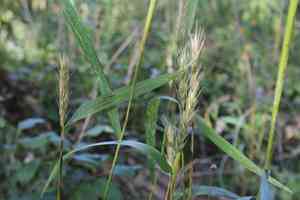
For virginia wild rye, the ideal period for relocation is in the pleasant warmth of late spring through early summer, facilitating robust root development. Select a location that receives abundant sunlight and possesses damp, adequately draining soil for superior outcomes.
What Preparations are Needed Before Transplanting Virginia Wild Rye?
What is the Ideal Time for Transplanting Virginia Wild Rye?
The best time to move virginia wild rye is as spring transitions into summer. This timing allows roots to settle in warm, nourishing soil. Choosing this period for transplanting virginia wild rye takes advantage of the season's mild temperatures and moisture, promoting strong growth. You'll find virginia wild rye flourishes with longer days, which support photosynthesis and new development, ensuring a smooth adjustment to its new location.
How Much Space Should You Leave Between Virginia Wild Rye Plants?
Hello, aspiring gardener! Before placing your virginia wild rye in their new home, imagine each one having ample roomâapproximately 18-24 inches (45-60 cm) apart. This generous spacing allows your plants to thrive without feeling cramped.
What is the Best Soil Mix for Virginia Wild Rye Transplanting?
For the healthy roots of your virginia wild rye, consider preparing a comfortable bed with soil that drains well. Aim for a loamy texture and begin with a balanced, slow-release fertilizer. This acts like a comforting, nutritious embrace for your plants, encouraging vigorous growth from the start.
Where Should You Relocate Your Virginia Wild Rye?
When searching for the perfect spot for your virginia wild rye, look for an area that receives full sun to partial shade. This arrangement of bright to dappled light will be like a gentle, invigorating sunrise that lasts all day, helping your virginia wild rye flourish in their new environment.
What Equipments Should You Prepare Before Transplantation Virginia Wild Rye?
Gardening Gloves
To safeguard your hands while handling soil and plants.
Spade or Shovel
For excavating the virginia wild rye plant and preparing the new planting site.
Hand Trowel
Useful for detailed tasks or smaller specimens.
Watering Can or Hose
For hydrating the virginia wild rye before and after relocation.
Wheelbarrow or Garden Cart
To move the virginia wild rye and soil.
Pruning Shears
For trimming any damaged roots or foliage.
Measuring Tape
To ensure correct spacing between plants during transplanting.
Plant Supports or Stakes
To help virginia wild rye maintain upright growth in its new spot.
How Do You Remove Virginia Wild Rye from the Soil?
How Do You Remove Virginia Wild Rye from the Soil?
From Ground: First, moisten the virginia wild rye to soften the soil, making it easier to manage. Then, using a spade or shovel, carefully dig a wide circle around the plant, being careful not to harm the root ball. Gently angle the spade beneath the plant and lift it from the ground.From Pot: Start by watering the virginia wild rye to ensure the roots are hydrated. Turn the pot on its side, hold the plant by its base, and gently tap the bottom of the pot to loosen it. Slowly ease the plant out, supporting the root ball.From Seedling Tray: Water the seedlings thoroughly before transplanting. Use a hand trowel or similar tool to carefully lift the virginia wild rye from its compartment. Ensure to keep as much soil around the roots as possible for protection during the move.
Step-by-Step Guide for Transplanting Virginia Wild Rye
Preparing the New Site
Choose a new planting location where the virginia wild rye will have sufficient room to grow. Clear the area of weeds and debris.
Digging the Hole
Use a spade to create a hole that is twice the width of the root ball and of the same depth to ensure the virginia wild rye is planted at its original level.
Placing the Plant
Position the virginia wild rye in the center of the hole. Adjust it so it stands straight and at the same depth it was previously growing.
Backfilling the Soil
Gently refill the hole with soil, lightly tamping it down to remove air pockets. Ensure the soil level is even with the surrounding ground.
Watering After Transplant
Water the virginia wild rye thoroughly to settle the soil around the roots and help minimize transplant shock.
Staking if Necessary
If the virginia wild rye is tall or if the site is exposed to strong winds, insert a stake next to the plant and gently tie the virginia wild rye to the stake for support.
How Do You Care For Virginia Wild Rye After Transplanting?
Monitoring
Regularly inspect the virginia wild rye for indications of stress such as wilting or discolored leaves and take appropriate measures to address any issues.
Mulching
Apply a layer of organic mulch around the base of the virginia wild rye to help retain soil moisture and regulate temperature.
Feeding
Apply a balanced, slow-release fertilizer after a few weeks, allowing the virginia wild rye to acclimate to its new location without forcing immediate growth.
Pruning
Trim any broken or damaged leaves to direct the virginia wild rye's energy towards root establishment.
Regular Observation
Keep an eye on the weather and be ready to shield the virginia wild rye from extreme conditions like an unexpected frost or heat wave with suitable coverings.
Avoidance of Disturbance
Minimize foot traffic and other disruptions around the newly transplanted area to allow the virginia wild rye to establish without soil compaction or root damage.
Troubleshooting Common Issues with Virginia Wild Rye Transplantation.
What's the best time to transplant virginia wild rye?
The ideal transplanting period for virginia wild rye is during milder weather, typically late spring to early summer.
How far apart should I space virginia wild rye when transplanting?
Ensure to space virginia wild rye approximately 18-24 inches (45-60 cm) apart to provide ample room for growth and flourishing.
Why is my virginia wild rye wilting after transplanting?
Post-transplant wilting can be due to shock. Keep the soil consistently moist and offer partial shade to aid its recovery.
How deep should I plant virginia wild rye's root ball?
The root ball should be planted at the same depth it was previously growing, ensuring the crown is at soil level.
What should I do if virginia wild rye isn't growing after transplant?
Patience is crucial! Ensure it receives adequate water and light, and protect it from extreme temperatures while it establishes.
Can virginia wild rye be transplanted in full sun exposure?
Virginia wild rye tolerates various conditions but thrives best in full sun to partial shade for optimal development.
How much should I water virginia wild rye after transplanting?
Water generously after transplanting to settle the soil but avoid waterlogging. Afterward, maintain moderate soil moisture.
Is there a soil type preference for transplanting virginia wild rye?
Virginia wild rye isn't particular but prefers well-draining soil rich in organic matter. Amend the soil if necessary before transplanting.
Should I fertilize virginia wild rye during the transplanting process?
It's not necessary to fertilize immediately. Allow virginia wild rye to establish before introducing a balanced fertilizer sparingly, if needed.
What signs indicate healthy root establishment in virginia wild rye?
New growth, such as green shoots and leaves, are good indicators that virginia wild rye is successfully establishing its roots in its new location.



