How to Transplant Blue wild rye?
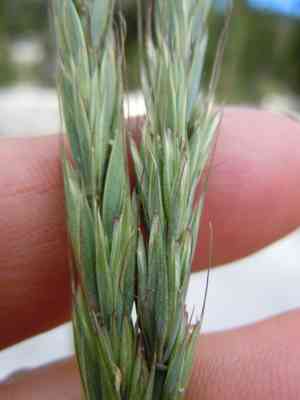
For optimal results, relocate blue wild rye between the onset of early spring and the mildness of late spring, facilitating strong root establishment. Select a location offering ample sunlight to partial shade and soil that drains effectively to support blue wild rye's vigorous development.
Necessary Preparations Before Relocating Blue Wild Rye?
Optimal Period for Moving Blue Wild Rye?
The perfect time to move blue wild rye spans from the revitalizing weeks of early spring through the developing late spring months. This timing aligns perfectly with blue wild rye's growth cycle, offering a generous window for the roots to establish themselves in their new location before the full-on summer growth spurt. By transplanting during this time, you encourage robust root development, which is vital for resilience against drought and extreme temperatures. This strategic timing allows blue wild rye to adapt to its new environment with the full zest of the season ahead, leading to a healthier, flourishing plant.
Required Spacing Between Blue Wild Rye Plants?
When relocating blue wild rye, aim for ample room and position each plant approximately 12-18 inches (30-46 cm) apart. This will provide your blue wild rye sufficient space to grow and thrive without becoming overcrowded.
Ideal Soil Blend for Blue Wild Rye Relocation?
Prior to planting blue wild rye, prepare the site with soil that drains well and is rich in organic material. If feasible, incorporate a balanced, slow-release fertilizer to give blue wild rye a strong start. Your blue wild rye will appreciate this nourishing base!
Recommended Location for Your Blue Wild Rye?
Select a bright spot for your blue wild rye that receives at least partial sun exposure daily. Full sun is acceptable, but some afternoon shade will be ideal, especially in warmer climates.
Equipment Needed Before Relocating Blue Wild Rye?
Shovel or Spade
For digging up the blue wild rye for relocation and creating the new planting hole.
Gardening Gloves
To safeguard your hands while handling soil and the plant.
Watering Can or Hose
To hydrate the blue wild rye before and after the relocation process.
Garden Trowel
For more precise excavation, particularly when dealing with smaller specimens or young plants.
Measuring Tape
To correctly space the new planting holes based on the size of the blue wild rye.
Wheelbarrow
For moving the blue wild rye and any necessary soil or compost.
Pruning Shears
To trim any damaged roots or foliage during the relocation process.
Rooting Hormone (optional)
To stimulate root development after relocation, especially if the root system has been disturbed.
Mulch
To apply around the base of the blue wild rye after relocation to retain moisture and regulate soil temperature.
How to Extract Blue Wild Rye from the Ground?
How to Extract Blue Wild Rye from the Ground?
From Pot or Seedling Tray: Thoroughly water the blue wild rye. Turn the pot on its side, gently hold the plant by its base, and tap the bottom to loosen it. Tilt the plant and carefully guide it out with your hands, being careful not to pull on the plant and harm the roots.From Ground: Water the blue wild rye to make the soil more pliable. Use a shovel or spade to dig a wide trench around the plant, ensuring the root ball remains intact. Gently pry under the root ball to lift the blue wild rye from its current spot.
Step-by-Step Guide for Relocating Blue Wild Rye
Preparation
Before removing the blue wild rye from its original spot, ensure all your tools are ready and the new planting site is prepared.
Removal
Carefully extract the blue wild rye from its current location using the appropriate method for pot, tray, or ground removal. Be cautious not to damage the plant's root system during this procedure.
Planting Hole
Dig a hole at the new location that is twice as wide and as deep as the blue wild rye's root ball.
Placement
Position the blue wild rye in the center of the hole, ensuring it stands upright. The top of the root ball should be level with the surrounding soil.
Fill In
Backfill the hole with soil, gently pressing it down around the root ball to remove air pockets.
Watering
Water the blue wild rye generously immediately after relocation to settle the soil and hydrate the roots.
Support
If needed, add supports such as stakes to help the blue wild rye remain upright and protect it from strong winds.
Post-Relocation Care for Blue Wild Rye?
Consistent Watering
Ensure the blue wild rye receives sufficient water, particularly in the initial weeks to aid root establishment.
Mulching
Apply a layer of mulch around the base of the blue wild rye to help maintain soil moisture and temperature.
Monitoring
Observe the blue wild rye for indications of stress like wilting or discolored leaves and address any issues promptly.
Pruning
Trim any damaged or dead foliage to encourage new growth and help the blue wild rye direct its energy towards establishing new roots.
Resolving Common Issues with Blue Wild Rye Relocation.
Why is my blue wild rye struggling after being moved?
Ensure roots weren't harmed during the move. Maintain moist, well-drained soil and shield from strong winds.
What's the best period to move blue wild rye?
Choose early to mid-spring, when the soil is workable and before intense summer heat begins.
How far apart should I space blue wild rye when moving them?
Allow each blue wild rye ample room to thrive by spacing them 12-18 inches (30-45 cm) apart.
What light conditions do blue wild rye require after relocation?
Blue wild rye flourishes in full sun to partial shade. Select a spot that gets plenty of daily light.
What if blue wild rye shows leaf wilting after being moved?
Leaf wilting often indicates water stress. Check soil moisture and water adequately without overwatering.
How deep should I plant blue wild rye when relocating?
The relocation hole should be twice as wide and the same depth as the root ball to encourage root growth.
Can I fertilize blue wild rye immediately after moving it?
Wait 4-6 weeks before fertilizing to prevent burning delicate roots. Use a balanced fertilizer suitable for perennials.
How often should blue wild rye be watered after relocation?
Keep soil consistently moist but not waterlogged, watering deeply once a week or based on local weather conditions.
What soil type is best for relocating blue wild rye?
Blue wild rye prefers well-draining soil rich in organic matter. Amend with compost if needed before relocation.
Should I mulch around blue wild rye after relocation?
Yes, a layer of mulch helps retain moisture, regulate soil temperature, and reduce weed competition.



