How to Transplant Chinese water chestnut?
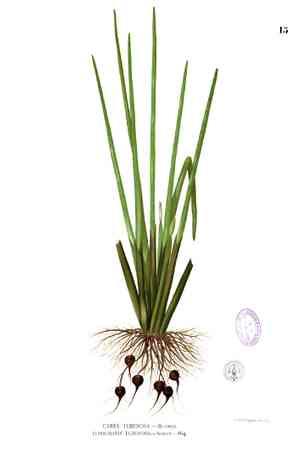
The onset of early spring, as the ground begins to warm, offers an ideal period for relocating chinese water chestnut. A bright location featuring moist, rich soil provides the most favorable conditions for chinese water chestnut. Allow sufficient room for expansion to foster abundant development.
What Preparations are Needed Before Transplanting Chinese Water Chestnut?
What is the Ideal Time for Transplanting Chinese Water Chestnut?
For chinese water chestnut, the start of the active growth phase offers the perfect window for relocation. The mild temperatures and extended daylight hours during this period are optimal, promoting strong root development and overall growth. Moving chinese water chestnut at this time leverages the entire growing season, ensuring maximum development and yield. A helpful tip: give your chinese water chestnut a thriving start by selecting this nurturing season, guaranteeing a plentiful harvest.
How Much Space Should You Leave Between Chinese Water Chestnut Plants?
When relocating chinese water chestnut, aim for a separation of 1-2 feet (0.3-0.6 meters). This provides ample room for development without excessive crowding. Remember to measure the distance from the center of one plant to the center of the next.
What is the Best Soil Mix for Chinese Water Chestnut Transplanting?
For chinese water chestnut, the substrate should be a blend of sand and loam. Begin its preparation by incorporating a foundational fertilizer, ideally a quality organic compost, which will supply essential nutrients and improve the soil's structure.
Where Should You Relocate Your Chinese Water Chestnut?
Regarding placement, chinese water chestnut thrives in ample sunlight. A location receiving full or partial sun exposure would be perfect. Therefore, choose a bright spot in your garden for optimal outcomes. Always observe the sun's trajectory before making your selection.
What Equipments Should You Prepare Before Transplantation Chinese Water Chestnut?
Gardening Gloves
To safeguard your hands while handling the soil and chinese water chestnut.
Garden Trowel
For excavating small holes and loosening the earth around the chinese water chestnut.
Spade or Shovel
To dig larger holes and extract the chinese water chestnut from its initial position.
Watering Can or Hose
For hydrating the chinese water chestnut during and after its relocation.
Garden Cart or Wheelbarrow
For moving chinese water chestnut, especially if you are relocating a significant quantity of plants.
Garden Scissors or Secateurs
For trimming or pruning any damaged parts of the chinese water chestnut.
How Do You Remove Chinese Water Chestnut from the Soil?
How Do You Remove Chinese Water Chestnut from the Soil?
From Ground: Begin by moistening the chinese water chestnut to soften the soil, making excavation easier. Using a spade or shovel, dig a wide circle around the plant, at least 6 inches from the base to prevent root damage. Carefully work the spade beneath the root ball to lift the chinese water chestnut from the ground.From Pot: Thoroughly water the chinese water chestnut. Gently tip the pot on its side and carefully slide the plant out; you may need to tap the base to dislodge the soil. Handle the plant by its root mass, avoiding pulling on the stems.From Seedling Tray: Water the seedlings and allow a few minutes for absorption. Invert the tray while holding your hand in place to catch the seedlings. The chinese water chestnut should release easily. Hold the seedling by its leaves, not the stem, to prevent harm.
Step-by-Step Guide for Transplanting Chinese Water Chestnut
Preparation
Ensure the new planting site is ready before you begin. This includes having the hole excavated and any necessary soil amendments incorporated.
Removal
Follow the instructions above to extract the chinese water chestnut from its original spot. Handle the plant with care to avoid harming its root system.
Planting
Position the chinese water chestnut in the hole at the same depth it was previously growing. Backfill the hole with soil, gently firming it with your hands.
Watering
Thoroughly water the chinese water chestnut after planting to settle the soil and minimize transplant shock.
Monitoring
Closely observe the chinese water chestnut over the subsequent weeks to confirm its successful establishment in the new location. Watch for signs of stress such as wilting or discoloration.
How Do You Care For Chinese Water Chestnut After Transplanting?
Watering
Ensure the soil surrounding the chinese water chestnut remains consistently damp, but not waterlogged, in the weeks following its relocation. This aids in developing strong roots and reducing transplant shock.
Pruning
Depending on the chinese water chestnut's growth, you might need to trim certain parts to balance the root-to-shoot ratio and encourage new development.
Pest and Disease Monitoring
Keep an eye out for indications of pests or diseases. Early detection can be crucial in preventing significant harm to your chinese water chestnut.
Mulching
Apply a layer of mulch around the base of the chinese water chestnut to help retain soil moisture and inhibit weed growth.
Feeding
After the chinese water chestnut has had some time to settle in its new spot, a balanced garden fertilizer can help promote vigorous growth.
Troubleshooting Common Issues with Chinese Water Chestnut Transplantation.
When is the best time to transplant chinese water chestnut?
The optimal period for relocating chinese water chestnut is Season 1 (S1), when climatic conditions are just right.
What is the appropriate spacing for chinese water chestnut when transplanting?
Maintain a suitable distance of 1-2 feet (30.5-61 cm) between each plant. This provides chinese water chestnut with sufficient room to grow.
How deep should I plant the tubers of chinese water chestnut?
The tubers of chinese water chestnut should be placed at a depth of approximately 2 inches (5 cm). This ensures a stable foundation.
What kind of soil does chinese water chestnut prefers during transplantation?
Chinese water chestnut thrives in rich, well-draining soil. Peat moss or compost can be added to enhance the soil's fertility.
What should be the watering level after transplanting chinese water chestnut?
Immediately after transplanting, thoroughly water chinese water chestnut. Subsequently, keep the soil moist, but not saturated.
How to prepare chinese water chestnut for transplantation?
Chinese water chestnut should be thoroughly watered the day before transplanting. This will help the plant withstand the shock.
What should I do if the leaves of chinese water chestnut turn yellow after transplantation?
Yellow leaves might indicate overwatering. Adjust your watering schedule, ensuring the soil stays moist but not soggy.
What if chinese water chestnut doesn't show growth after being transplanted?
If chinese water chestnut isn't growing, it may require more sunlight or nutrients. Try altering its placement or fertilization.
How often should I fertilize chinese water chestnut after transplanting?
After transplanting, feed chinese water chestnut with a balanced liquid fertilizer every 2 weeks during its growth phase.
How can I reduce transplant shock in chinese water chestnut?
Transplant on a cloudy day or in the late afternoon to avoid intense sun. Also, always water thoroughly after transplanting.



