How to Transplant Woodland elaeocarpus?
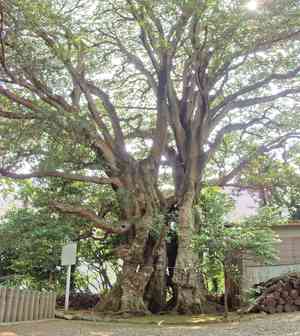
The peak of the warm season, summer, offers the ideal period for transplanting woodland elaeocarpus to a new site, allowing its root structure to strengthen before the dormant cold months. Flourishing development occurs in partially shaded spots, where damp, adequately draining earth surrounds its roots.
Necessary Preparations Before Relocating Woodland Elaeocarpus?
Optimal Period for Transplanting Woodland Elaeocarpus?
The prime time for moving woodland elaeocarpus is early summer. This timing allows roots to establish before heat stress, promoting vigorous growth. Transplanting then maximizes root development as warm soil encourages quicker settling, and upcoming summer rains help maintain soil moisture, reducing extra watering. A friendly reminder: place woodland elaeocarpus in its new spot during early summer for a smooth transition and a thriving future!
Required Spacing Between Woodland Elaeocarpus Plants?
When positioning your woodland elaeocarpus, provide ample room for expansion. An ideal separation is 6-10 feet (1.8-3.0 meters). This distance ensures each plant has sufficient area to reach its full size without competing with neighbors.
Best Soil Blend for Woodland Elaeocarpus Relocation?
Give your woodland elaeocarpus an excellent start by preparing a loamy soil enriched with compost or a foundational organic fertilizer to boost nutrient levels. This creates a robust environment for your plant, fostering healthy development and longevity.
Where to Replant Your Woodland Elaeocarpus?
Select a site for your woodland elaeocarpus where it will receive partial to full daily sunlight, but avoid intense afternoon sun. Remember that a balance of sun and shade encourages healthy growth, so observe the light patterns in your chosen spot.
Equipment Needed Before Transplanting Woodland Elaeocarpus?
Shovel or Spade
For excavating the hole where the woodland elaeocarpus will be moved, and for loosening the earth around the plant's original position.
Gardening Gloves
To safeguard your hands from sharp roots or undesirable soil inhabitants.
Hand Trowel
For precise work around the plant's root structure.
Watering Can
To hydrate the plant immediately following its relocation.
Mulch or Compost
To assist in soil moisture retention after transplanting with added nutrients.
Secateurs
To trim any damaged roots or shoots prior to replanting.
Wheelbarrow or Plant Dolly
For safely transporting larger woodland elaeocarpus plants or trees without harming the root system.
How to Extract Woodland Elaeocarpus from the Soil?
How to Extract Woodland Elaeocarpus from the Soil?
From Ground: First, thoroughly water the woodland elaeocarpus plant to loosen the soil, making removal easier. Then, carefully dig a wide circle around the plant with a spade or shovel, leaving ample space between the plant's base and the circle's edge. Be careful not to harm the roots. Once a deep trench is dug, gently slide your shovel beneath the root ball and carefully lift the plant, avoiding sudden movements.From Pot: Begin by watering the woodland elaeocarpus plant several hours before removing it from its container. This will facilitate the process. Next, gently tilt the pot and slide the plant out while holding a hand on the soil surface to support it. Avoid forceful pulling; try to coax it out instead. If it's too snug, carefully cut the pot away.From Seedling Tray: Water the tray well an hour before transplanting, then carefully lift each woodland elaeocarpus seedling by its leaves, not the stem, to prevent damage.
Step-by-Step Guide for Relocating Woodland Elaeocarpus
Preparation
Begin by clearing any debris from the transplanting site and digging a hole twice the width and equal in depth to the woodland elaeocarpus plant's root system.
Placement
Position the woodland elaeocarpus into the hole, ensuring the top of the root ball is level with or slightly above the surrounding ground, to prevent water pooling around the stem.
Backfill
Partially refill the hole with original soil, gently firming it around the base of the woodland elaeocarpus plant.
Watering
Thoroughly water the woodland elaeocarpus plant, allowing the water to settle the soil around the roots.
Spacing
Provide sufficient room around the plant for comfortable growth.
Finishing
After watering, complete filling the hole, ensuring all roots are covered and the soil is firm.
Post-Transplant Care for Woodland Elaeocarpus?
Monitoring
Observe the woodland elaeocarpus plant closely for the initial weeks, checking for signs of transplant shock, such as yellowing leaves or wilting. If observed, reduce sun exposure and increase watering frequency.
Pruning
Allow a season to pass before undertaking significant pruning, focusing instead on helping the woodland elaeocarpus plant establish its roots. However, removing any dead or diseased branches is acceptable.
Fertilizing
Refrain from applying fertilizer until the woodland elaeocarpus plant has acclimated to its new environment. Allow at least one growing season before beginning fertilization.
Repositioning
If the woodland elaeocarpus plant does not appear to be thriving in its new spot, it might require relocation. Pay attention to its stress indicators and adjust as necessary.
Resolving Common Issues with Woodland Elaeocarpus Transplantation.
When is the best time to transplant woodland elaeocarpus?
The ideal period to move woodland elaeocarpus is from late spring to early summer (S4-S6). The climate during this time is favorable for vigorous root development.
What is the appropriate gap I have to maintain when planting multiple woodland elaeocarpus?
Provide woodland elaeocarpus ample space, 6-10 feet or approximately 2-3 meters apart. This spacing will allow the plant sufficient room for growth and air circulation.
What kind of soil type does woodland elaeocarpus prefer?
Woodland elaeocarpus thrives best in well-draining soil rich in organic matter. Avoid waterlogged or heavy clay areas, as these can hinder the plant's root development.
After transplanting woodland elaeocarpus, how do I care for it?
For the first couple of weeks post-transplant, water the woodland elaeocarpus regularly. Shield it from harsh weather, and if needed, stake it for support until its roots establish.
Why are the leaves of woodland elaeocarpus turning yellow post-transplant?
Yellow leaves might indicate overwatering or poor drainage. Check if the soil around woodland elaeocarpus is too saturated. Always allow the soil to dry out somewhat between waterings.
Could a small container influence my woodland elaeocarpus plant health after transplantation?
Indeed, a restrictive container can impede woodland elaeocarpus's root growth, leading to unhealthy development. Opt for a spacious container or transplant it directly into open ground.
Why is my woodland elaeocarpus not growing despite proper watering and sunlight?
Woodland elaeocarpus may be struggling due to insufficient soil nutrients. The plant benefits from a slow-release all-purpose fertilizer applied according to product instructions.
What depth should I consider when transplanting woodland elaeocarpus?
When transplanting woodland elaeocarpus, keep the hole at the same depth as the original container. Planting it too deep can suffocate the roots, causing waterlogging.
How do I handle root rot in my transplanted woodland elaeocarpus?
If root rot is detected early, you can save woodland elaeocarpus by pruning the affected roots and transferring it to well-drained, moist soil to encourage healthy growth.
When will woodland elaeocarpus start to bloom after transplantation?
Woodland elaeocarpus should begin to flower after it has fully adapted to its new environment, which typically takes a full growing season. Provide careful nurturing during this adjustment period.



