How to Transplant Thorny olive?
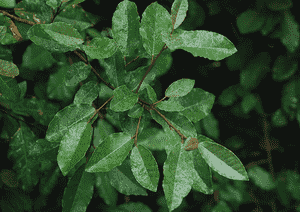
The optimal period for relocating thorny olive is during the invigorating shift from the end of winter to the beginning of spring, or throughout the comfortable late autumn period. Select a spot with ample sunlight or partial shade for prime growing circumstances, and exercise caution when managing its fragile root system. Enjoy your gardening endeavors!
Essential Preparations Before Relocating Thorny Olive
Optimal Timing for Thorny Olive Relocation?
Moving your thorny olive during its budding phase in early to mid-spring or its dormant period from late autumn to winter's end promotes peak development. Shifting thorny olive at these times capitalizes on seasonal changes, as roots establish quickly in cooler, moist conditions while foliage grows in warmer seasons. Transplanting thorny olive then ensures rapid, year-round visual appeal. It's the perfect moment to give your thorny olive the best start!
Recommended Spacing Between Thorny Olive Plants?
To provide ample room for your thorny olive plants, we suggest positioning them approximately 5-7 ft (1.5-2.1 m) apart. This will allow for sufficient growth and create a beautiful display in your garden!
Ideal Soil Blend for Thorny Olive Transplantation?
For optimal outcomes, prepare your garden with well-draining, loamy soil. Incorporate a balanced, slow-release fertilizer to support robust growth of thorny olive plants. Giving your plants an excellent beginning makes a significant difference!
Preferred Location for Your Thorny Olive?
For your thorny olive plant, choose a site that receives full sun to partial shade. Ideally, aim for a spot with 4-6 hours of direct sunlight daily. Your plant will flourish and reward you with lush foliage!
Tools Required Before Transplanting Thorny Olive
Gardening Gloves
To safeguard your hands while handling soil and plants.
Shovel or Spade
For digging holes and trenches, and extracting the plant from its original spot.
Trowel
For working with soil in smaller, more precise areas.
Pruning Shears
To trim any damaged or dead stems and leaves post-transplant.
Watering Can or Hose
For hydrating the plant before and after its relocation.
Stakes or Supports (optional)
To offer stability for the plant if needed during its establishment phase.
Method for Extracting Thorny Olive from the Ground
Method for Extracting Thorny Olive from the Ground
From Ground: First, moisten the soil around the thorny olive plant. Next, dig a wide trench around the plant with a shovel or spade, ensuring the root ball remains intact. Carefully work the spade beneath the root ball to lift the plant from its initial position.From Pot: Water the thorny olive plant and let it drain for a few minutes. Tilt the pot sideways and gently slide the plant out, being careful not to harm the root system. If the plant is stuck, tap the pot's edges to loosen it, or use a trowel to help free the roots.From Seedling Tray: Water the thorny olive seedlings to moisten the soil. Use a spoon or a small trowel to carefully lift the seedlings from the tray without damaging their roots. Place the seedlings on a flat surface, taking care not to bend or break any stems.
Detailed Steps for Transplanting Thorny Olive
Preparation
Prepare the planting hole by digging it twice as wide and as deep as the root ball. Incorporate organic material like compost or leaf mold into the excavated soil to enhance its structure.
Root Teasing
If the thorny olive plant is root-bound, gently separate the roots to encourage them to spread into the surrounding soil.
Placement
Position the thorny olive plant in the center of the hole, ensuring its root ball is level with the surrounding ground. Spread the roots outwards, making sure they are not circling the hole.
Backfilling
Refill the hole with the previously removed and amended soil. Press down firmly on the soil to eliminate any air pockets, being careful not to harm the roots or compact the soil excessively.
Watering
After transplanting, thoroughly water the thorny olive plant to help settle the soil and facilitate initial root contact. Ensure you water the entire root zone, not just around the base of the stem.
Post-Transplant Care for Thorny Olive
Watering
Maintain consistent moisture in the soil around the thorny olive, avoiding sogginess, for the initial weeks after transplanting to aid in strong root establishment.
Pruning
Remove any dead, damaged, or weak stems and leaves using pruning shears to encourage healthy growth and reduce disease risk.
Staking (if needed)
If the thorny olive plant requires extra support, use stakes or supports during its early establishment. Be cautious not to harm the roots or stems when installing them.
Monitoring
Observe the thorny olive plant for any indications of stress, such as wilting, yellowing, or stunted growth. Adjust your care routines as necessary, and do not hesitate to consult experienced gardeners or local experts if issues persist.
Resolving Common Issues with Thorny Olive Transplantation.
When is the best time to transplant thorny olive?
The ideal periods for transplanting thorny olive are early to mid-spring, or from late fall to the end of winter.
How much space should I leave between thorny olive plants?
Ensure thorny olive plants have adequate room to grow – space them approximately 5 to 7 feet (1.5 to 2.1 meters) apart.
Why are the leaves on my transplanted thorny olive turning yellow?
Yellowing foliage might indicate insufficient water, excessive sunlight, or a nutrient deficiency. Ensure your thorny olive is well-hydrated and receives appropriate light.
How soon can I expect new growth after transplanting thorny olive?
Thorny olive typically shows new growth 2 to 3 weeks after transplant, provided it receives optimal care and environmental conditions.
What kind of soil is best for transplanting thorny olive?
Thorny olive adapts well to various soil types. As long as the soil drains effectively and isn’t overly wet, thorny olive should thrive.
Do I need to prune thorny olive when I transplant it?
Yes, pruning can be beneficial, especially for larger thorny olive plants. It helps reduce transplant shock by balancing the root-to-shoot growth ratio.
Why is my newly transplanted thorny olive wilting?
Wilting often signals transplant shock. Keep the plant adequately watered, avoid excessive sun exposure, and be patient as root establishment can take time.
How deep should I plant a transplanted thorny olive?
Thorny olive should be planted at the same depth it was in its previous container. Planting too deeply can lead to stem rot.
Can I transplant thorny olive in the summer?
It's best to avoid summer transplants because high heat can cause additional stress. Stick to early spring or fall to winter timeframes for optimal results.
Why aren't my transplanted thorny olive growing?
This could be due to incorrect planting depth, insufficient water or light, or unsuitable soil conditions. Review these factors and make adjustments to encourage growth.



