How to Transplant Puna?
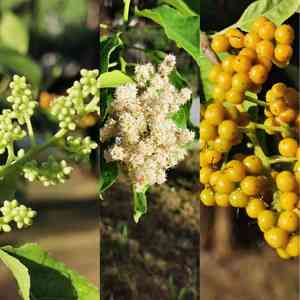
The most favorable period for transplanting puna is from the beginning to the end of spring, as new growth commences. Select a spot that receives abundant light and possesses soil with good drainage. To ensure success, safeguard the root mass's condition throughout the transfer process.
What Preparations are Needed Before Transplanting Puna?
What is the Ideal Time for Transplanting Puna?
The best time to move puna is during its revival phase in early to mid-spring. This period, when nature awakens, allows puna to establish itself with the season's full growth potential. By selecting these months, you provide puna with the mild temperatures and increasing daylight it needs for successful root development. This is a smart choice, as transplanting during this window leverages the plant's natural vigor, leading to stronger growth and a healthier puna.
How Much Space Should You Leave Between Puna Plants?
Greetings, aspiring gardeners! When preparing to transplant puna, allow ample room for its branches to expand. Aim for a spacing of approximately 15-20 ft (4.6-6 m). This will provide sufficient area for development, ensuring your puna thrives beautifully in your garden!
What is the Best Soil Mix for Puna Transplanting?
The perfect beginning for puna is in rich, well-draining soil! Before transplanting, incorporate some organic compost to enrich the ground. A balanced, slow-release fertilizer will supply puna with the necessary nutrients to flourish. Consider it a nourishing meal for your plant's new home.
Where Should You Relocate Your Puna?
Selecting the correct location for puna is crucial! This plant thrives in sunlight, so choose a spot where it will receive full sun to partial shade. A sunny area that gets direct light for at least 6 hours daily will keep your puna content and robust.
What Equipments Should You Prepare Before Transplantation Puna?
Gardening Gloves
To safeguard your hands while handling soil and puna.
Shovel or Spade
For excavating around the root ball and moving puna.
Watering Can or Hose
To hydrate puna before and after the relocation.
Pruning Shears
To trim any damaged roots or branches.
Wheelbarrow
To transport puna from its original spot to the new planting site.
Garden Fork
To loosen the soil surrounding punaâs root area.
Trowel
For more precise digging tasks and to help settle puna into its new position.
Mulch
To aid in retaining soil moisture and regulating temperature post-transplant.
Rooting Hormone (optional)
To stimulate root development in puna.
Burlap or Tarp
To protect and move the root ball.
How Do You Remove Puna from the Soil?
How Do You Remove Puna from the Soil?
From Ground: First, water puna to moisten the soil. Dig a wide trench around puna with a shovel or spade, ensuring the plant's root ball stays intact. Carefully work the spade beneath the root ball to lift puna from the ground.From Pot: Begin by watering puna thoroughly. Turn the pot on its side and tap the edges and bottom to loosen. Gently pull puna by its base and ease it out, keeping the soil and roots together.From Seedling Tray: Water the tray to dampen the soil. Use a trowel or your fingers to carefully lift puna from the tray, taking care not to harm the roots or stem.
Step-by-Step Guide for Transplanting Puna
Choose the Right Time
Select an overcast day or evening to transplant puna to minimize stress and prevent sun damage.
Prepare the New Site
Dig a hole that is twice as wide and as deep as the root ball of puna.
Transport puna
Use a wheelbarrow or carry puna, supporting its root ball, to its new location with care.
Position puna
Place puna in the center of the hole at the same depth it was previously growing.
Fill the Hole
Gently backfill the hole with soil around the roots of puna, removing air pockets by firming the soil.
Water Thoroughly
After planting, water puna generously to settle the soil and provide moisture to its roots.
Stake if Necessary
If puna is tall or unstable, insert a stake and gently tie the plant to support it.
Mulch
Apply a layer of mulch around puna, keeping it away from the stem, to conserve moisture and suppress weeds.
How Do You Care For Puna After Transplanting?
Staking
If puna is staked, check ties regularly to ensure they are not too tight and adjust as puna grows.
Watering
Maintain consistent soil moisture for puna, especially during dry periods, without overwatering.
Inspection
Regularly examine puna for any indications of transplant shock, such as wilting or discolored leaves, and address them promptly.
Pruning
Trim any dead or damaged branches to encourage healthy growth in puna.
Protection
Safeguard puna against pests and diseases; treat only if there's clear evidence of an issue.
Mulching
Replenish the layer of mulch as needed to continue providing benefits to puna.
Troubleshooting Common Issues with Puna Transplantation.
When is the best time to transplant puna?
The optimal period for transplanting puna is from the beginning of spring until the start of summer.
How far apart should I space puna when transplanting?
Allow puna ample room to thrive by spacing them 15-20 feet (4.5-6 meters) apart.
What's the ideal soil condition for transplanting puna?
Choose well-draining soil with moderate fertility for puna's best growth.
Why are the leaves of transplanted puna wilting?
Wilting after transplanting may indicate root shock; ensure proper watering and avoid initial full sun exposure.
How deep should the hole be for transplanting puna?
Dig a hole twice as wide and equal in depth to the root ball of puna.
Should I fertilize puna right after transplanting?
Wait a few weeks before applying fertilizer to allow puna to establish in its new location.
How much should I water puna after transplanting?
Water puna generously at transplanting and then regularly to keep soil consistently moist but not waterlogged.
Can I transplant puna on a hot, sunny day?
For optimal results, transplant puna on a cloudy day to reduce transplant stress and evaporation.
What should I do if puna shows no growth post-transplant?
Be patient; puna may be establishing roots. With proper care, growth should resume in due course.
How do I handle root-bound puna when transplanting?
Gently separate the roots of puna before transplanting to encourage them to spread into the soil.



