How to Transplant False daisy?
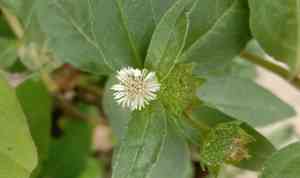
The zenith of garden enjoyment, from mid to late summer, represents the optimal period for relocating false daisy, which is crucial for fostering vigorous development. Successful transplantation thrives in soil that drains effectively and receives abundant sunlight. A helpful suggestion: Exercise caution to safeguard the fragile root system of false daisy throughout this process.
What Preparations are Needed Before Transplanting False Daisy?
What is the Ideal Time for Transplanting False Daisy?
False daisy thrives when moved in the warmth of mid to late summer. The extended daylight and steady temperatures create optimal conditions for root development, ensuring vigorous growth. Relocating false daisy during this period leverages the season's active growth phase, promoting better adaptation and hardiness in your garden.
How Much Space Should You Leave Between False Daisy Plants?
Begin your false daisy journey by digging a hole large enough for the plant to expand. Ideally, each plant should be spaced 1-2 feet (30-60 cm) apart. This provides ample room for growth without competition for nutrients.
What is the Best Soil Mix for False Daisy Transplanting?
Preparing well-drained soil rich in organic matter is essential for false daisy to flourish. Compost or a balanced base fertilizer will supply the necessary nutrients. This gentle introduction aids in quick establishment.
Where Should You Relocate Your False Daisy?
Select a location with bright, yet indirect, sunlight for false daisy. While adaptable, excessive direct sun can cause stress. A partially shaded spot would be perfect! Happy planting!
What Equipments Should You Prepare Before Transplantation False Daisy?
Gardening Gloves
To shield your hands from dirt and prevent any potential punctures or injuries.
Trowel
A small hand tool used for digging, applying, smoothing, or moving small quantities of thick or granular material. It's perfect for creating holes when transplanting false daisy.
Spade or Shovel
Excellent for excavating the plant from its original spot. Its sharp edges facilitate cutting through soil and roots.
Watering Can
You will need to thoroughly water the plant before and after its relocation.
Pruning Shears
Useful for trimming any excessively long roots during the transplanting process.
Wheelbarrow, Bag, or Container
To transport the plants without harming their roots, especially when moving them from the ground.
How Do You Remove False Daisy from the Soil?
How Do You Remove False Daisy from the Soil?
From Ground: When lifting the false daisy plant from the ground, first water around its base to soften the soil, making extraction easier. Then, dig around the plant with your shovel or spade, ensuring a safe distance to avoid damaging the root system. After a trench is dug, carefully pry the plant up and lift it from the hole.From Pot: If the false daisy plant is in a pot, water it thoroughly, then turn it sideways, gently hold the base of the plant, and tap the bottom of the pot to loosen it. Carefully scoop out the plant using your hands or a tool, ensuring no damage to the root system.From Seedling Tray: For seedlings in a tray, it's best to use a small tool or stick to lift the young plants. Water the tray first, ensure the soil is moist, then press down the surrounding soil and gently lift the false daisy seedling.
Step-by-Step Guide for Transplanting False Daisy
Prepare New Location
Before you begin, prepare the new site by digging a hole as deep as the false daisy's root ball and twice as wide. Amend the soil in the hole if needed to ensure it's loose and drains well.
Lift the Plant
Follow the appropriate steps outlined above based on the current location of your false daisy plant.
Inspect the Roots
Once the plant is removed from its original spot, examine the roots. If any appear excessively long or tangled, use pruners to lightly trim them. This will encourage healthy new root growth after planting.
Plant
Position the false daisy plant in the center of the hole and backfill with soil, gently firming it around the roots. Ensure the plant is not planted deeper than it was in its initial location.
Water
After transplanting the false daisy, water thoroughly to hydrate the roots and help the plant settle into its new environment.
How Do You Care For False Daisy After Transplanting?
Watering Routine
After the false daisy has been transplanted, consistent watering is crucial. For the initial week, water the false daisy daily to aid in establishment. Following the first week, you can reduce watering to every other day, unless the plant shows signs of dryness or wilting.
Pruning
If the false daisy appears weak or if you observe any diseased or broken leaves and stems post-transplant, prune those parts to help the plant direct its energy towards new growth.
Monitoring Growth
Observe the false daisy closely in the weeks following transplantation to ensure it's adapting well to its new surroundings. If any signs of distress appear, adjust care as needed.
Troubleshooting Common Issues with False Daisy Transplantation.
When's the best time to transplant false daisy?
The ideal period to transplant false daisy is during seasons S5-S6, which is late spring to early summer.
Does false daisy need certain spacing when transplanting?
Yes, always ensure false daisy are positioned 1-2 feet (30-60 cm) apart, providing ample room for growth and flourishing.
How should I prepare the soil before transplanting false daisy?
Enrich the soil with organic matter. Ensure it's loose and well-drained. False daisy prefer a slightly acidic to neutral pH.
What is the ideal depth for planting false daisy saplings?
When transplanting, plant false daisy at the same depth they were in their pots. Planting too deep or shallow can stress them.
My false daisy is wilting after transplant, what could be wrong?
This could be due to overwatering or insufficient watering. Ensure the soil is moist, but not waterlogged, and check for drainage issues.
Can false daisy be transplanted in containers? How large should they be?
Absolutely! The pot should have a minimum diameter and depth of 12 inches (30 cm) to allow for proper root development.
What watering routine should I inculcate post-transplant?
Water daily for the first week after transplanting. Afterward, reduce to watering when the top 1 inch (2.5 cm) of soil is dry.
Can false daisy tolerate high sun exposure post-transplant?
Moderate sunlight is best. If transplanted during intense heat, provide shade until the plant has acclimated to prevent sun-scorch.
How can I prevent root rot when transplanting false daisy?
Overwatering can lead to root rot. Besides proper watering, ensure good soil drainage and avoid excessive soil compaction.
My transplanted false daisy isn't growing well, why could it be?
It might be experiencing transplant shock. Maintain a stable environment with consistent watering, lighting, and temperature. Time and patience are crucial.



