How to Transplant Rainbow cactus?
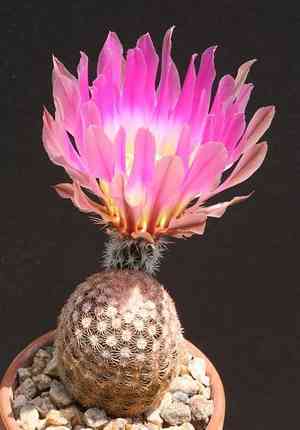
Optimal execution occurs in the warmth of late spring through early summer, providing rainbow cactus sufficient duration to become rooted. Select a location bathed in sunlight with superior drainage to replicate its natural environment. Careful manipulation is crucial to prevent harm to the roots.
What Preparations are Needed Before Transplanting Rainbow Cactus?
What is the Ideal Time for Transplanting Rainbow Cactus?
The optimal period for moving rainbow cactus is during the brighter, warmer days of late spring to early summer. This season offers moderate temperatures and extended daylight, promoting robust root development and successful adaptation. Encourage rainbow cactus at this time to establish itself without the extremes of summer heat, allowing for optimal growth in its new location.
How Much Space Should You Leave Between Rainbow Cactus Plants?
When transplanting rainbow cactus, ensure ample room for growth. Ideally, plants should be spaced 2-3 feet (0.6-0.9 meters) apart. This will allow each plant to develop properly without interference from other plants.
What is the Best Soil Mix for Rainbow Cactus Transplanting?
To ensure a successful transplantation, provide rainbow cactus with well-draining soil and a small amount of low-nitrogen, slow-release fertilizer. This will give your plant a head start, supplying it with the nutrients it needs to thrive.
Where Should You Relocate Your Rainbow Cactus?
Rainbow cactus thrives in full sun to light shade. Position it in a spot where it receives ample sunlight, but is protected from the harshest afternoon rays. This will ensure your plant gets the moderate exposure it needs.
What Equipments Should You Prepare Before Transplantation Rainbow Cactus?
Gardening Gloves
To safeguard your hands when working with soil and handling rainbow cactus.
Trowel
For digging around and beneath the plant when removing it from its original spot, a trowel is an essential tool.
Spade or Shovel
To excavate a new hole for rainbow cactus, this larger implement is necessary.
Gardening Shears
These sharp shears will assist you in properly pruning rainbow cactus if needed.
Watering Can
To hydrate the plant after transplanting.
Mulch
To shield rainbow cactus from potential sun damage and help maintain soil moisture after transplanting.
How Do You Remove Rainbow Cactus from the Soil?
How Do You Remove Rainbow Cactus from the Soil?
From Ground: Begin by watering the rainbow cactus plant to slightly moisten the soil. Use your trowel to dig around the plant, maintaining a reasonable distance to keep the root ball intact. Then, carefully lift the plant using the spade, ensuring minimal disturbance to the roots.From Pot: If rainbow cactus is currently in a pot, check if the plant is root-bound (roots are visible on the surface or emerging from drainage holes). If so, you may need to break or cut the pot to free the plant without damaging the roots. If not, tilt the pot and use gentle force to release the plant.From Seedling tray: If you're transplanting rainbow cactus from a seeding tray, use a small tool like a spade to gently lift the seedling including its root ball. Be careful not to harm the delicate seedling roots.
Step-by-Step Guide for Transplanting Rainbow Cactus
Check Health
Before you begin, assess the health of rainbow cactus. Remove any dead or damaged parts with your garden shears.
Dig Hole
Using your spade or shovel, excavate a hole that is approximately twice the size of rainbow cactus's root ball. The depth of the hole should be such that the plant sits at the same level as it was in its original location.
Place Plant
Gently position rainbow cactus in the hole you've dug. Ensure it is standing upright.
Backfill
Carefully refill the hole with soil, making sure there are no air pockets that could dry out the roots.
Water Carefully
Use your watering can to thoroughly water rainbow cactus, but be careful not to waterlog the soil.
Mulch
Apply a layer of mulch around the plant to help maintain moisture in the new environment.
How Do You Care For Rainbow Cactus After Transplanting?
Monitoring
Keep a close watch on rainbow cactus for a few weeks after transplanting. Look out for any signs of stress such as wilting, yellowing or dropped leaves, and take appropriate steps to address these symptoms.
Regular Watering
Consistent, regular watering (without saturating the plant) is crucial in the early stages post-transplant. Overwatering can deprive the roots of oxygen, so ensure the soil is moist, but not waterlogged.
Considerate Pruning
If you notice dead or damaged parts in rainbow cactus after the transplant, gently prune using garden shears. But be careful as excessive pruning can stress the plant.
Be Patient
Keep in mind, it may take some time for rainbow cactus to establish in the new location and start growing again. So, be patient and give it the care it needs.
Troubleshooting Common Issues with Rainbow Cactus Transplantation.
When is the best time to transplant rainbow cactus?
The ideal time to transplant rainbow cactus is during late summer to early autumn (S3-S4). This allows the plant to establish roots before the cold season.
What is the ideal spacing for rainbow cactus during transplantation?
A good rule of thumb for spacing rainbow cactus is about 2-3 feet (60-90 cm) apart. It gives each plant proper breathing space and allows their roots to fully develop.
How can I prepare the soil before transplanting rainbow cactus?
Ensure the soil drains well. It should be well-aerated and remove any rocks or debris. You can add sand or gravel for better drainage. A sandy loam is perfect for rainbow cactus.
Why is my transplanted rainbow cactus withering?
Rainbow cactus can wither due to many reasons like over-watering, under-watering, too much sun, or not enough light. Keep watering balanced and provide indirect sunlight for healthy growth.
Must I fertilize rainbow cactus after transplanting? And how often?
Fertilizing your rainbow cactus after transplanting is not mandatory. But if you choose to do so, a balanced cactus or succulent fertilizer can be used once during the growing season.
How do I water rainbow cactus after transplantation?
Firstly, give rainbow cactus a few days to adjust after transplanting, then water thoroughly until water runs freely from the drainage holes. Avoid waterlogging the plant - allow soil to dry out in between waterings.
Why is my transplanted rainbow cactus changing color?
Color changes in rainbow cactus can indicate stress. Too much direct sunlight can lead to color burns, while too little sunlight can cause them to become pale or lean towards the light source.
What are the signs that rainbow cactus is ready for transplant?
If rainbow cactus has outgrown its pot or the roots are heavily coiling around itself (root-bound), it's likely time to transplant. Also, if it's been two years since the last transplant, it might be time to do it again.
Can I transplant rainbow cactus into a pot without drainage holes?
It's not advisable. Rainbow cactus requires well-drained soil to prevent root rot. If using a pot without drainage holes, be very cautious with the watering schedule to avoid waterlogging the plant's root system.
How deep should I plant rainbow cactus in its new location?
When you transplant rainbow cactus, the top of the root ball should be level with the soil surface. Planting too deep can cause the stem to rot, while planting too shallow exposes the roots.



