How to Transplant Echeveria runyonii?
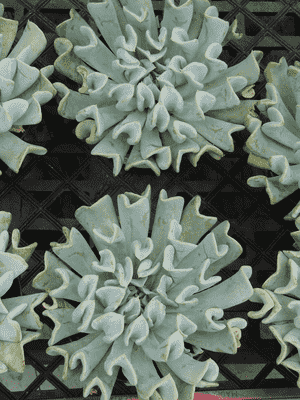
Relocate Echeveria runyonii preferably from early to late spring or mid to late autumn, since these periods provide prime development circumstances. Select a site featuring adequately draining earth and ample sun exposure. Carefully separate the root mass during the relocation process to foster robust development.
What Preparations are Needed Before Transplanting Echeveria Runyonii?
What is the Ideal Time for Transplanting Echeveria Runyonii?
For echeveria runyonii, the optimal period for relocation spans from early spring to its peak, or from mid-autumn to its conclusion. Moving the plant during these times allows it to adapt to its new environment with minimal stress, ensuring successful establishment. Essentially, it provides echeveria runyonii a chance to settle comfortably before harsh seasons begin.
How Much Space Should You Leave Between Echeveria Runyonii Plants?
When relocating echeveria runyonii, an adequate distance between plants would be 6-8 inches (15-20 cm). This spacing permits them to develop and expand their rosettes without becoming overcrowded.
What is the Best Soil Mix for Echeveria Runyonii Transplanting?
For echeveria runyonii, a soil blend that drains efficiently is crucial. An excellent mix would combine cactus/succulent soil with coarse sand or perlite. Incorporate a slow-release fertilizer to supply vital nutrients as the plant matures.
Where Should You Relocate Your Echeveria Runyonii?
Select a spot for echeveria runyonii that receives ample sunlight, ideally 4-6 hours of direct sun daily. A south or west-facing area in your garden would be perfect for encouraging robust development.
What Equipments Should You Prepare Before Transplantation Echeveria Runyonii?
Gardening Gloves
To safeguard your hands while handling the soil and echeveria runyonii plant.
Hand Trowel
To excavate holes for replanting and to remove surplus soil from the root ball.
Shovel or Spade
To dig larger holes and extract the plant from its initial position.
Watering Can
To hydrate the plant after replanting and to assist in the removal process.
Scissors or Pruning Shears
To trim dead or damaged foliage, stems, and roots prior to transplantation.
Support Stakes (optional)
To offer extra stability to echeveria runyonii if required post-transplantation.
How Do You Remove Echeveria Runyonii from the Soil?
How Do You Remove Echeveria Runyonii from the Soil?
From Ground: First, moisten the soil around the echeveria runyonii plant by watering it. Next, dig a wide trench around the plant using a shovel or spade, ensuring the plant's rootball remains intact. Carefully maneuver the spade beneath the root ball to lift the plant from its original spot.From Pot: Hydrate the echeveria runyonii plant to moisten the soil. Gently loosen the pot's edges and carefully slide the plant and root ball out, keeping as much soil as possible around the roots. If the plant is rootbound and needs pruning, use scissors or pruning shears to trim and untangle the roots.From Seedling Tray: Water the echeveria runyonii seedlings to dampen the soil. Carefully push the seedling from the tray's bottom to loosen and separate it without harming the roots. Alternatively, use clean tweezers to gently lift the seedling by its true leaves (the second set of leaves, not the initial two seedling leaves).
Step-by-Step Guide for Transplanting Echeveria Runyonii
Site Selection
Choose a location with adequate sunlight and room for your echeveria runyonii plant to reach its mature size.
Digging the Hole
Using a hand trowel or shovel, excavate a hole in the ground that is twice the width and depth of the echeveria runyonii's root ball.
Preparing the Root Ball
Inspect the roots of the echeveria runyonii plant and remove any dead, damaged, or tangled roots using scissors or pruning shears.
Placing the Plant
Position the echeveria runyonii plant into the hole, ensuring the top of the rootball is level with the ground. Gently backfill the hole with soil, pressing it down around the roots.
Watering
Water the echeveria runyonii immediately after transplanting to hydrate the plant and settle the soil around the roots.
Optional Support
If your echeveria runyonii plant requires additional support, such as a stake, install it now. Be careful not to harm the roots.
How Do You Care For Echeveria Runyonii After Transplanting?
Watering
Keep the soil around the echeveria runyonii consistently moist, but not waterlogged, for the initial weeks post-transplant to aid in establishing strong roots.
Trimming
Examine the echeveria runyonii plant for any dead or damaged leaves, stems, and roots, removing them with scissors or pruning shears to encourage new growth.
Monitoring
Observe the echeveria runyonii for any indications of stress or disease, addressing any issues promptly.
Frost Protection
If frost is anticipated, provide temporary covering to shield the newly transplanted echeveria runyonii from harm.
Troubleshooting Common Issues with Echeveria Runyonii Transplantation.
When should I transplant my echeveria runyonii?
The best time to move your echeveria runyonii is from early to late spring or from mid-autumn to late autumn. This is when the plant can best endure the change.
How much space does the echeveria runyonii need when transplanting?
Your echeveria runyonii will benefit from some room to expand. Aim for a spacing of approximately 6-8 inches (15-20 cm) between each plant.
Why are the leaves of my echeveria runyonii wrinkling post-transplant?
Wrinkled leaves often signal that the echeveria runyonii is not receiving sufficient water. Maintain a regular watering schedule, especially after transplanting.
What should I do if my echeveria runyonii is wilting after I transplanted it?
Wilting could indicate transplant shock. Ensure it was watered correctly and placed in indirect sunlight. If wilting persists, consider relocating it.
Post-transplant, I noticed my echeveria runyonii has brown leaf tips. What could be the cause?
Brown leaf tips typically suggest underwatering or exposure to extreme temperatures. Maintain a moderate temperature and a consistent watering routine.
My echeveria runyonii is showing stunted growth after transplanting, what should I do?
Stunted growth might be due to inadequate light or a nutrient deficiency. Ensure your echeveria runyonii gets enough sunlight and supplement with a balanced fertilizer.
I transplanted my echeveria runyonii and its leaves are becoming thin and transparent. Why is this happening?
Thin, transparent leaves could mean your echeveria runyonii is being overwatered. Reduce watering and ensure the soil has good drainage.
Whatâs the best soil mixture to use when transplanting echeveria runyonii?
Echeveria runyonii prefers a well-draining soil mix. A good combination would be one part perlite to three parts potting soil. This structure prevents waterlogging and supports root development.
Why is my echeveria runyonii losing its vibrant colour after transplanting?
Your echeveria runyonii might not be getting enough sun to maintain its color. If possible, move it to a brighter spot but avoid direct sun to prevent scorching.
Can I transplant echeveria runyonii in a pot without a drainage hole?
It's not ideal, as echeveria runyonii thrives in well-draining soil to prevent root rot. If necessary, add a layer of gravel at the bottom to retain excess water.



