How to Transplant Painted-lady?
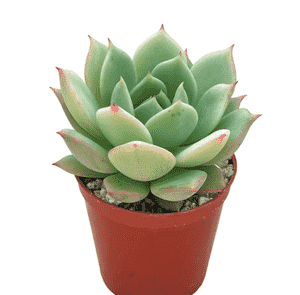
The ideal period to transplant painted-lady is during the spring awakening, allowing them to adapt readily. Select a location offering ample, diffused light and superior drainage to encourage development. Should they become congested, carefully guide painted-lady into more spacious containers for peak health.
Preparations Required Before Relocating Painted-lady
Optimal Period for Transplanting Painted-lady
Spring offers the best conditions for moving painted-lady, leveraging mild temperatures and consistent growth. Relocating painted-lady then encourages strong root growth and adaptation, ensuring a smooth transition and flourishing in its new spot. Choosing this time highlights your dedication to painted-lady's health, fostering an environment where it can thrive. Let's carefully move painted-lady during these revitalizing months, guaranteeing it receives the gentle care needed for a strong start in its fresh home.
Required Spacing Between Painted-lady Plants
When moving painted-lady, ensure adequate spacing. Each plant should ideally be positioned 1-2 feet (30-60 cm) apart. This will provide your painted-lady ample room to develop and flourish.
Best Soil Blend for Painted-lady Relocation
Prepare the soil by incorporating a well-draining cactus or succulent potting mix. This is crucial for painted-lady's well-being. Apply a slow-release fertilizer as a base, which will help your painted-lady establish itself successfully.
Ideal Location for Your Painted-lady
Select a sunny spot for your painted-lady. It thrives with ample sunlight exposure. However, exercise caution. If the sun is intense, a bit of afternoon shade will keep painted-lady content and healthy.
Equipment to Prepare Before Transplanting Painted-lady
Gardening Gloves
To safeguard your hands while handling soil and painted-lady.
Trowel
For excavating the hole in the ground, ensuring it is sufficiently deep to comfortably accommodate the roots of painted-lady.
Garden Spade
A larger spade might be necessary for more mature painted-lady plants, especially if they are being moved within the garden.
Watering Can
To hydrate the painted-lady plant post-transplant. Thorough watering aids the plant in settling into its new location.
Organic Compost
A nutrient-rich amendment that enhances soil fertility and promotes vigorous, healthy growth.
How to Extract Painted-lady from the Soil
How to Extract Painted-lady from the Soil
From Ground: Start by lightly watering the painted-lady plant to make the soil easier to manage. Once the soil is moist, carefully dig a wide circle around the plant using a trowel or garden spade, keeping the tool far enough from the plant to preserve the root ball. Then, gently work the spade underneath to lift the plant from the ground.From Pot: First, lightly water your painted-lady plant to facilitate removal. Invert the pot over a soft surface like grass or a soft soil patch. If the plant doesn't slide out easily, you may need to gently tap the pot's sides or lightly press the soil to loosen it.From Seedling Tray: Gently push up the soil and roots of painted-lady from below using your fingers. Alternatively, you can use a small utensil like a spoon or stick to lift the seedling, ensuring you handle it by the leaves to avoid damaging the root or stem.
Step-by-Step Guide for Relocating Painted-lady
Preparation
Use your trowel to dig a hole deep enough to comfortably house the roots of painted-lady. The hole should be twice as wide as the plant's root ball to allow roots ample space to spread.
Transplant
Carefully place painted-lady into the new hole. Ensure the plant is level with the surrounding ground; burying it too deeply can lead to stem rot. Fill the hole with the excavated soil and firm it gently around the plant's base.
Watering
After transplanting, use your watering can to moisten the soil around the painted-lady. This helps the plant settle and eliminates air pockets in the soil.
Post-Transplant Care for Painted-lady
Adaptation
Painted-lady may require a few weeks to adjust to its new environment. Do not be alarmed if you observe some leaf drop; it is a normal part of the plant's transition.
Consistent Hydration
While painted-lady acclimates to its new spot, it's crucial to keep the soil moist. Water the plant thoroughly but avoid waterlogging the soil, as this could harm the plant.
Growth Monitoring
Look for new growth as a positive indicator that painted-lady is adapting to its new surroundings. If you notice excessive leaf drop or no new growth after a month, you may need to re-evaluate the plant's care and growing conditions.
Resolving Common Issues with Painted-lady Transplantation
When is the optimal time to transplant painted-lady?
The best period to transplant painted-lady is during early to mid-season, providing ideal growth conditions.
What is the recommended spacing between painted-lady plants during transplanting?
To ensure healthy development, maintain a distance of approximately 1-2 feet (30-60 cm) between each painted-lady.
What action should I take if painted-lady appears wilted after transplanting?
If painted-lady shows signs of wilting, it might be transplant shock. Keep the soil moist, avoid direct sunlight, and allow it time to recover.
How deep should the transplant hole for painted-lady be?
The transplant hole for painted-lady should be deep enough to comfortably accommodate the root ball, typically twice its height and width.
Which soil type is most suitable for transplanting painted-lady?
Painted-lady thrives in well-draining soil, ideally a blend of cactus or succulent soil with perlite or sand.
Is it advisable to transplant painted-lady during its blooming phase?
It is not ideal to transplant painted-lady while it is blooming, as this causes stress. Wait until early to mid-season.
How much watering is necessary after transplanting painted-lady?
Water thoroughly after transplanting. Allow the soil to dry out completely before the next watering to prevent root rot.
What if painted-lady's leaves turn yellow after transplanting?
Yellow leaves could indicate overwatering or insufficient drainage. Adjust your watering schedule and ensure the soil drains effectively.
Should I use a new container when transplanting painted-lady?
Using a new pot is not mandatory, but ensure the pot is clean and has a drainage hole.
Should I fertilize painted-lady immediately after transplanting?
Avoid immediate fertilization. Allow painted-lady to adjust to its new environment, and begin fertilizing after a few weeks.



