How to Transplant Durian?
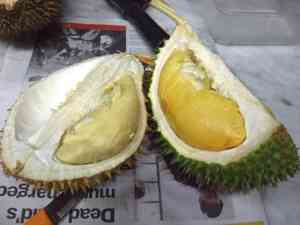
The most suitable period for relocating durian is when spring invigorates the earth, providing temperate conditions and prime development opportunities. Select a bright, adequately drained site, and during the transfer, protect the root mass to guarantee a smooth integration.
What Preparations are Needed Before Transplanting Durian?
What is the Ideal Time for Transplanting Durian?
The beginning of the growing season, specifically from early spring until the garden is actively flourishing, offers an excellent period for relocating durian. This timeframe benefits from mild temperatures and increased humidityâperfect conditions that promote root establishment without extreme stress. Moving durian at this point allows it to capitalize on the natural growth surge plants experience, aligning its settling with nature's rhythm, thereby ensuring a strong start. This deliberate timing provides durian with vitality, setting the stage for a prosperous future.
How Much Space Should You Leave Between Durian Plants?
Hello there, gardening enthusiast! Before moving your durian, ensure they have ample room to flourish. Aim to position them approximately 20-30 feet apart (6-9 meters), providing sufficient space for them to grow large and robust!
What is the Best Soil Mix for Durian Transplanting?
For your durian, a rich, well-draining soil is preferred. Before transplanting, enrich the ground with a generous mix of organic compost and a balanced base fertilizerâsuch as a 10-10-10 blendâto give them a nutrient-rich beginning!
Where Should You Relocate Your Durian?
Bathe durian in sunlight! Select a bright location that receives direct sun for at least 6 hours daily. This sunny spot will ensure your durian absorbs the necessary rays to thrive beautifully.
What Equipments Should You Prepare Before Transplantation Durian?
Gardening Gloves
To safeguard your hands while handling soil and plants.
Sturdy Shovel
For excavating the durian and preparing a hole at the new site.
Soil Moisture Meter
To verify appropriate soil moisture levels before and after relocation.
Wheelbarrow
To move the durian and soil to and from the new planting spot.
Root Pruner
To trim any overly long or damaged root structures.
Watering Can or Hose
To hydrate the durian before, during, and after its move.
Mulch
To aid in retaining soil moisture and regulating temperature post-transplant.
Measuring Tape
To maintain proper distances from other plants or structures.
Organic Root Stimulator
To encourage new root development after transplanting.
How Do You Remove Durian from the Soil?
How Do You Remove Durian from the Soil?
From Ground: Hydrate the durian to moisten the soil. Next, excavate a wide trench around the plant using a shovel, keeping a safe distance from the root ball to prevent harm. Gently work the shovel around and beneath the root ball to free it from the surrounding soil and carefully lift the plant.From Pot: Start by thoroughly watering the durian, which facilitates its removal from the container. Tilt the pot sideways and tap its base to dislodge the plant. If it doesn't come out easily, slide a knife along the pot's interior to separate the roots from the pot, taking care not to injure the roots.From Seedling Tray: Water the seedling tray to ensure the soil is damp. Gently press the bottom of the cell to push the durian out, or use a small tool to lift the plant from the tray, being careful not to damage the roots.
Step-by-Step Guide for Transplanting Durian
Preparation
Determine the optimal time for transplanting durian, typically early in the growing season or during cooler weather to minimize stress.
Hole Digging
Excavate a hole in the ground where you plan to transplant durian, making it twice as wide and the same depth as the root ball.
Root Inspection
Examine the durian's roots, trimming any broken or excessively long ones with a clean root pruner.
Plant Positioning
Center the durian in the hole, ensuring it is at the same depth as it was in its previous location.
Refilling Hole
Backfill the hole with soil, gently compacting it around the roots to eliminate air pockets.
Watering
Water the durian thoroughly after planting to settle the soil and remove any air gaps.
Stabilizing
Apply mulch around the base of the durian to conserve moisture and regulate soil temperature, keeping it away from the stem to prevent rot.
Root Stimulator
Apply an organic root stimulator according to product instructions to encourage root development.
How Do You Care For Durian After Transplanting?
Watering
Maintain consistent soil moisture, especially during the initial months following durian transplanting, to support root establishment.
Monitoring
Regularly inspect the durian for any indications of stress, such as wilting or discolored foliage, to address issues promptly.
Mulching
Replenish mulch as needed to maintain a 2-3 inch layer that does not touch the durian's stem or trunk.
Pruning
Avoid extensive pruning immediately after transplanting to allow the durian to prioritize root development.
Troubleshooting Common Issues with Durian Transplantation.
What's the best timing for transplanting durian?
Optimal transplanting time is early to mid-spring for vigorous growth throughout the warm months.
At what distance should durian be transplanted from each other?
Space durian 20-30 feet (6-9 meters) apart to ensure sufficient growth room and air circulation.
How deep should the hole be for transplanting durian?
Dig a hole twice as wide and the same depth as the root ball for optimal transplanting outcomes.
What soil conditions suit durian best for transplanting?
Ensure well-draining soil rich in organic matter for durian to thrive post-transplant.
Should I water durian immediately after transplanting?
Yes, water durian generously to settle the roots and minimize transplant shock.
How do I protect the transplanted durian from sunscald?
Use shading or plant in a location that receives filtered light to prevent sunscald after transplant.
Is staking necessary after transplanting durian?
Staking can help stabilize durian in windy areas until established, but it's not always mandatory.
Could transplanting durian cause leaf drop and what to do?
Leaf drop post-transplant can occur due to shock; provide consistent care and avoid overwatering.
How to ensure durian doesn't suffer from transplant shock?
Water evenly, maintain soil moisture, avoid intense sunlight initially, and don't excessively disturb the roots.
Can I apply fertilizer immediately after transplanting durian?
Wait several weeks before fertilizing to allow durian to settle and prevent root burn.



