How to Transplant Dragon arum?
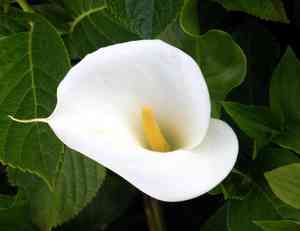
The perfect time to move dragon arum is at the beginning of spring, combining new beginnings with moderate temperatures. Select a location offering filtered light, fertile earth, and guarantee proper water runoff. In this season, plants readily take root, ensuring vigorous development.
What Preparations are Needed Before Transplanting Dragon Arum?
What is the Ideal Time for Transplanting Dragon Arum?
The optimal period for relocating dragon arum is during spring's onset, specifically the early to mid-season. This timeframe ensures the soil is sufficiently warm for root development, while temperatures remain mild, minimizing plant stress. Moving dragon arum at this point maximizes its establishment in the garden, promoting vigorous growth throughout the active season.
How Much Space Should You Leave Between Dragon Arum Plants?
When moving your dragon arum, provide ample room for each to expand. Ideally, aim for a spacing of approximately 3-4 feet (0.9-1.2 meters) between individual plants. This allows them adequate area to spread and receive proper air circulation!
What is the Best Soil Mix for Dragon Arum Transplanting?
To give your dragon arum a strong start, select soil that drains effectively. Incorporating organic matter, such as compost, is an excellent method to supply vital nutrients. A foundational fertilizer with a balanced N-P-K ratio can also be utilized to enrich the growing medium.
Where Should You Relocate Your Dragon Arum?
Select a site where your dragon arum can receive ample sunlight but also some protection from the afternoon sun. Sunlight is crucial for growth, but excessive direct sun can cause scorching. Find a location with a suitable balance.
What Equipments Should You Prepare Before Transplantation Dragon Arum?
Gardening Gloves
Crucial for safeguarding your hands from soil and potential sharp objects within the ground.
Trowel
Used to excavate the dragon arum plant from its original spot and to create a new hole for relocation.
Spade
For larger plants, a spade will be necessary to dig out the plant without harming its root ball.
Pruning Shears
These might be required if you need to trim the roots of the dragon arum plant.
Watering Can
To hydrate the plant both prior to and following its relocation.
Gardening Fork
To lift substantial root balls and assist in loosening compacted soil.
Wheelbarrow
Essential for moving the plant from its initial position to the new transplanting site.
How Do You Remove Dragon Arum from the Soil?
How Do You Remove Dragon Arum from the Soil?
From Ground: Once you've identified the dragon arum plant for relocation, begin by watering the surrounding ground to moisten the soil, making excavation easier. Use your trowel or spade to carefully dig around the plant, ensuring the root ball remains intact. After digging out the plant, gently lift it with a gardening fork and place it in a wheelbarrow for transport.From Pot: If your dragon arum plant resides in a container, water the soil before removal. Turn the pot on its side and gently tap it to dislodge the dragon arum plant. The plant should then slide out; if not, you may need to invert the pot or cut it open.From Seedling Tray: Seedlings typically possess less developed root systems, so extracting dragon arum from a seedling tray is often as simple as carefully lifting it out. If it's stuck, invert the tray and tap the bottom to release it without damaging the roots.
Step-by-Step Guide for Transplanting Dragon Arum
Determining Size of the Hole
Assess the dimensions of the dragon arum plant's root ball and excavate a hole that is twice as wide and of equal depth in your chosen location. Utilize your trowel or spade as appropriate for the plant's size.
Placing the Plant
Center the dragon arum plant in your prepared hole and verify that the top of the root ball is level with or slightly above the ground surface. Adjust the hole's depth as necessary.
Backfilling
Refill the hole around the dragon arum with the native soil you removed. Gently press the soil around the plant's base to ensure it is securely positioned.
Irrigation
Immediately water the dragon arum thoroughly after transplanting to settle the soil around its roots and aid the plant in recovering from relocation stress.
How Do You Care For Dragon Arum After Transplanting?
Mulching
Applying a layer of organic mulch around the dragon arum will help retain moisture, suppress weeds, and stabilize soil temperature. Be careful not to pile mulch against the plant's stem to prevent rot.
Checking Plant Health
Observe for any indications of transplant shock such as wilting, discoloration, or stunted development. If these symptoms appear, additional watering or shading the plant might be beneficial.
General Maintenance
Keep the surrounding area free of weeds that could compete with the dragon arum for resources. Regularly inspect the plant for any signs of pests or diseases to address issues promptly.
Revisit Planting Depth
A few weeks after transplanting, re-evaluate the planting depth. If the dragon arum appears to be sinking, add more soil. If it's too high, you can carefully dig it up and adjust accordingly.
Troubleshooting Common Issues with Dragon Arum Transplantation.
What's the best time of year to transplant dragon arum?
The ideal period to relocate dragon arum is during the transition of seasons S1-S2. This provides the plant ample time to establish itself in its new spot.
How much space is required between each dragon arum during transplantation?
To allow dragon arum to reach its full potential, ensure a spacing of approximately 3-4 feet (0.9-1.2 meters).
How deep should I dig a hole for transplanting dragon arum?
Excavate a hole that is twice as wide and as deep as the plant's root ball. This provides sufficient room for root expansion.
Should I water dragon arum immediately after transplanting?
Yes. Post-transplant watering reduces immediate stress and encourages the plant to adapt more quickly to its new environment. Keep the soil moderately moist.
How to handle the root ball of dragon arum during transplantation?
Handle with care! Avoid damaging the root ball. If roots are circling, gently loosen them before placing the plant in the hole.
Do I need to prepare the soil before transplanting dragon arum?
Indeed. Enrich the soil with organic matter or compost. This improves aeration, drainage, and subsequently, the growth and vitality of dragon arum.
Can I transplant dragon arum to a pot?
Absolutely! Use a container at least 12 inches (30cm) in diameter and ensure proper drainage to prevent potential root rot.
What's the right sun exposure for dragon arum after transplanting?
Following relocation, position dragon arum in a partially shaded area. Gradually acclimate it to more sun over a week to prevent sunburn.
How vital is post-transplant care for dragon arum?
Post-transplant care is crucial. Monitor watering, sun exposure, and regularly check for any signs of pests or diseases.
What should I do if the dragon arum shows signs of distress after transplanting?
Remain calm. Ensure the plant receives adequate water, is protected from extreme temperatures, and apply a suitable fertilizer. If the plant does not improve, seek expert advice.



