How to Transplant Lucky bamboo?
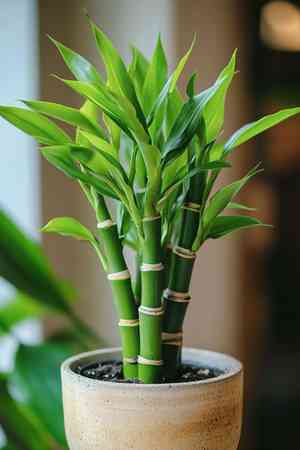
The ideal period for relocating lucky bamboo is from mid-spring through late spring, or mid-autumn through late autumn, due to its preference for temperate environments. Select a brightly illuminated, warm spot to encourage peak development. To boost the likelihood of a successful transplant, guarantee adequate water runoff and refrain from excessive watering.
What Preparations are Needed Before Transplanting Lucky Bamboo?
What is the Ideal Time for Transplanting Lucky Bamboo?
The best period for relocating lucky bamboo is from mid-spring to late-spring or mid-fall to late-fall. This timing promotes optimal development and hardiness. Your lucky bamboo will flourish, with enhanced vigor, when established in its new spot during these times.
How Much Space Should You Leave Between Lucky Bamboo Plants?
When moving lucky bamboo, ensure ample room for its growth. A general guideline is to space them 2-3 feet (60-90 cm) apart. Providing sufficient area will allow them to thrive.
What is the Best Soil Mix for Lucky Bamboo Transplanting?
For lucky bamboo soil preparation, aim for a well-draining mixture rich in organic matter. A suitable base fertilizer would be a slow-release, balanced formula like 10-10-10, to supply essential nutrients during the growing season.
Where Should You Relocate Your Lucky Bamboo?
For optimal growth, find a garden location that offers partial shade or indirect sunlight for lucky bamboo. It dislikes direct sun, so be careful when selecting its new home â a spot with filtered light would be perfect.
What Equipments Should You Prepare Before Transplantation Lucky Bamboo?
Gardening Gloves
To safeguard your hands while handling soil and the plant.
Trowel or Small Shovel
To excavate planting holes and extract the plant from its initial spot.
Garden Pruner or Scissors
To trim any unhealthy or damaged roots or foliage.
Watering Can or Garden Hose
To hydrate the plant before and after relocation.
Organic Compost or Fertilizer
To enrich the planting hole and supply nutrients for robust growth.
Staking Materials (optional)
To offer support for the lucky bamboo plant if necessary.
How Do You Remove Lucky Bamboo from the Soil?
How Do You Remove Lucky Bamboo from the Soil?
- From Ground:First, moisten the lucky bamboo plant to dampen the soil. Then, dig a wide trench around the plant using a trowel or small shovel, ensuring the plant's root ball stays intact. Carefully work the shovel beneath the root ball to lift the plant from its original position.- From Pot:Thoroughly water the lucky bamboo plant, then gently tap the pot's sides to loosen the roots. Hold the plant at its base and invert the pot while supporting the plant. Carefully slide the root ball out of the pot without harming the roots.- From Seedling Tray:Use a small trowel or spoon to scoop out the seedlings with minimal root disturbance. Gently handle the lucky bamboo seedlings by their leaves or a part of the stem not easily damaged.
Step-by-Step Guide for Transplanting Lucky Bamboo
Preparation
Water the lucky bamboo plant in its current location a few hours prior to transplanting to ensure the roots are well-hydrated.
Digging the Hole
In the new planting site, dig a hole twice as wide and slightly deeper than the lucky bamboo plant's root ball using a trowel or small shovel. Amend the hole with organic compost or fertilizer.
Plant Inspection
Before transplanting, use a garden pruner or scissors to remove any unhealthy or damaged roots or foliage.
Placing the Plant
Carefully position the lucky bamboo plant's root ball into the hole, placing it at the same depth it was previously growing. Adjust the soil beneath the root ball if needed to achieve the correct planting depth.
Filling the Hole
Fill the hole with soil, gently pressing the soil around the roots to eliminate air pockets. If staking materials are required, add them now to provide support for the lucky bamboo plant.
Watering
Water the lucky bamboo plant thoroughly immediately after transplanting to help settle the soil and establish good root-to-soil contact.
How Do You Care For Lucky Bamboo After Transplanting?
Monitoring_Water Needs
Observe the lucky bamboo plant's moisture level for the initial weeks, ensuring the soil remains consistently moist but not waterlogged. Gradually reduce watering as the plant establishes its roots.
Pruning
Trim any damaged or yellowing leaves to encourage new growth and maintain the lucky bamboo plant's overall health.
Fertilizing
Apply a balanced slow-release fertilizer after the first month to promote healthy growth and minimize transplant shock. Follow the package instructions for the appropriate dosage.
Pest and Disease Control
Monitor the lucky bamboo plant for any signs of pests or diseases and treat them as necessary to prevent the spread or damage.
Staking or Support
Check the staking materials regularly and adjust them as needed to provide adequate support for the lucky bamboo plant as it grows.
Troubleshooting Common Issues with Lucky Bamboo Transplantation.
When is the best time to transplant lucky bamboo?
Mid-spring to late spring and mid-fall to late fall are ideal times for transplanting lucky bamboo.
What is the recommended spacing for lucky bamboo?
Ideally, allow 2-3 feet (60-90 cm) between each lucky bamboo plant to ensure proper growth.
How big should the new pot be for transplanting lucky bamboo?
Select a pot 2 inches (5 cm) larger in diameter than the current one, ensuring adequate room for growth.
What type of soil is best for transplanting lucky bamboo?
Use a well-draining, fertile potting mix or a mix of peat moss, sand, and loam for lucky bamboo.
Do I need to prune lucky bamboo before transplanting?
Yes, it's a good idea to remove any damaged, dead, or weak stalks to promote healthier growth.
How can I prevent transplant shock in lucky bamboo?
Avoid direct sunlight for 1-2 weeks, water gently, and maintain a stable temperature of 65-75°F (18-24°C).
Can I transplant lucky bamboo directly into the ground?
Yes, lucky bamboo can be planted outdoors, but ensure proper drainage and protection from harsh winds or extreme temperatures.
How deep should I plant lucky bamboo during transplantation?
Place lucky bamboo at the same depth as in its original pot, and lightly pack the soil around the base.
How to care for lucky bamboo after transplanting?
Place lucky bamboo in indirect light, water regularly to keep soil moist, and maintain a temperature of 65-75°F (18-24°C).
How long does it take for lucky bamboo to adjust to its new environment?
Lucky bamboo usually adapts within 1-3 weeks, depending on the plant's overall health, stability, and environmental conditions.



