How to Transplant Stinkwort?
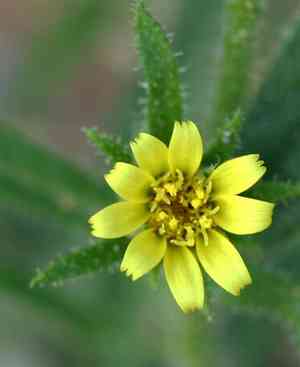
Stinkwort transplantation flourishes most effectively in the vibrant period of early autumn, which is ideal because of the gentler temperatures and reduced sun intensity. Place it in soil that drains efficiently, and when relocating stinkwort, remember its preference for bright locations to guarantee successful establishment.
What Preparations are Needed Before Transplanting Stinkwort?
What is the Ideal Time for Transplanting Stinkwort?
The best time to move stinkwort is during the pleasant warmth of late summer to early autumn. This period offers mild temperatures, ensuring the plant settles with minimal difficulty. Relocating stinkwort at this time prepares it for robust development as cooler fall weather reduces transplant shock, encouraging strong root growth. By selecting this season, you provide stinkwort with the smoothest transition and the promise of vibrant health.
How Much Space Should You Leave Between Stinkwort Plants?
When transplanting stinkwort, position each plant approximately 2-3 feet (60-90 cm) apart. This provides ample room for them to grow and flourish without competing for nutrients and light. Remember, a bit of distance makes a big difference!
What is the Best Soil Mix for Stinkwort Transplanting?
As stinkwort prefers well-drained soil, it's essential to prepare a foundation of loamy soil enriched with organic compost. Don't forget to incorporate a balanced fertilizer before planting—this step gives your plant an excellent head start!
Where Should You Relocate Your Stinkwort?
Stinkwort thrives in sunlight! Select a spot that receives direct sunlight for at least six hours daily. Your plant will appreciate a sunny location in your garden to grow.
What Equipments Should You Prepare Before Transplantation Stinkwort?
Gardening Gloves
To safeguard your hands while handling soil and the plant.
Spade or Shovel
This tool is necessary for excavating the hole where you will replant the stinkwort and for carefully extracting the plant from its original spot.
Garden Pruners
These assist in removing any dead or damaged sections of the stinkwort prior to transplanting.
Garden Trowel
You'll need this for working in smaller areas or moving small quantities of soil.
Watering Can
This will be utilized to water the stinkwort during and after the transplant process.
Wheelbarrow or Container
Having these will simplify moving the stinkwort from its initial location to the new site.
How Do You Remove Stinkwort from the Soil?
How Do You Remove Stinkwort from the Soil?
From Ground: Begin by watering the stinkwort plant several days before relocation to soften the earth. Dig a circle around the stinkwort plant with your spade or shovel, ensuring its root ball remains intact. Work the spade beneath the root ball to gently lift the plant from its original position.From pot: Before extracting the stinkwort from its container, water the plant to moisten the soil. Carefully invert the pot while supporting the root ball. If the plant is stuck, lightly tap the sides to loosen the soil and slide it out.From the Seedling Tray: Water the stinkwort seedlings before removing them from the tray. Gently loosen the soil around the roots with a small stick and carefully lift the seedlings by holding their leaves to prevent damage to the delicate stems.
Step-by-Step Guide for Transplanting Stinkwort
Preparation
Clear the new planting area of weeds or other unwanted vegetation. Prepare the hole for the stinkwort in advance. The hole should be twice as wide as, and the same depth as the root ball.
Adding Compost
Incorporate some compost into the hole to provide the stinkwort with a nutrient boost.
Placement
Hold the stinkwort at its base near the roots and position it into the hole. The top of the root ball should be level with the soil surface.
Backfill
Refill the hole with the excavated soil and gently press down to eliminate air pockets around the roots.
Watering
Immediately after planting, thoroughly water the stinkwort. Always water around the base and not the foliage to prevent diseases.
Mulching
Apply a layer of organic mulch around the stinkwort, but not touching the stem, to help retain moisture and reduce weeds.
How Do You Care For Stinkwort After Transplanting?
Watering
Water the stinkwort deeply and frequently after transplantation. Keep the soil consistently moist, but avoid waterlogging.
Pruning
Prune the stinkwort as needed to maintain its form and size. Remove dead or diseased branches promptly.
Monitoring
Regularly observe the stinkwort for any indications of stress, such as wilting, yellowing, or leaf drop. If these appear, it may require more water or a cooler, shaded spot.
Protection
Shield your stinkwort from pests and environmental conditions like frost or strong winds that could harm it.
Troubleshooting Common Issues with Stinkwort Transplantation.
When should I ideally relocate stinkwort?
The optimal period to transplant stinkwort is during its S5-S7 season. This timeframe generally encourages the best growth.
How far apart should I space the stinkwort when transplanting?
Providing stinkwort with adequate space is vital. Aim for about 2-3 feet or 61-91 cm apart. This promotes healthy development.
My stinkwort isn't sprouting after transplantation, what's wrong?
Stinkwort might need more time to adjust or it's not the ideal transplanting season (S5-S7). Also, check soil conditions and watering.
What type of soil is suited to re-plant stinkwort?
Stinkwort prefers well-drained soil. While adaptable, insufficient drainage can lead to root disease and hinder successful transplantation.
How much should I water stinkwort after transplanting?
Watering should be generous immediately after transplanting stinkwort. Afterward, maintain moderate watering, adjusting for weather conditions.
What if my transplanted stinkwort shows drooping leaves?
Drooping leaves typically indicate stress from transplantation. Keep the soil consistently moist, and stinkwort should gradually recover.
Can I use fertilizers immediately after transplanting stinkwort?
No, allow stinkwort to establish first. Once new growth is visible, apply a balanced fertilizer to promote health and vigor.
Why does stinkwort wilts even when I water it regularly?
Overwatering can cause wilting. Stinkwort prefers moderate watering. Always let the soil dry slightly before the next watering session.
What is the survival rate of stinkwort after transplanting?
If transplanted during the ideal period (S5-S7), spaced correctly (2-3 feet or 61-91 cm), and cared for properly, stinkwort has a high survival rate.
What precautions should I take when digging up stinkwort to transplant?
A wide and deep excavation helps keep roots intact. Disturb roots as little as possible during the transplanting process for stinkwort's best chance of survival.



