How to Transplant Diamond-leaf persimmon?
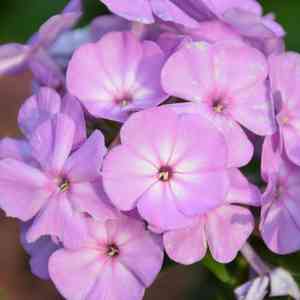
The optimal period for transplanting diamond-leaf persimmon is from the latter part of spring through early summer, facilitating a smooth adjustment and sufficient development. Select a location bathed in sunlight featuring soil that drains effectively, and strive to uphold steady hydration following the transfer.
What Preparations are Needed Before Transplanting Diamond-leaf Persimmon?
What is the Ideal Time for Transplanting Diamond-leaf Persimmon?
Choose the period between spring and summer for relocating diamond-leaf persimmon, as this timeframe offers moderate temperatures and stable soil conditions, aiding root establishment. Moving diamond-leaf persimmon during this optimal window promotes robust growth by leveraging longer days and increasing warmth, which encourages strong root development without the strain of intense summer heat. Utilize this timing for smooth adaptation, allowing diamond-leaf persimmon to flourish in its new spot due to the growing season's perfect environment.
How Much Space Should You Leave Between Diamond-leaf Persimmon Plants?
When moving diamond-leaf persimmon, ensure ample room for each plant to develop. Position them approximately 4-6 feet (1.2-1.8 meters) apart. This spacing guarantees sufficient area for their roots to spread and thrive. Remember, providing a bit more room is always preferable to too little!
What is the Best Soil Mix for Diamond-leaf Persimmon Transplanting?
The diamond-leaf persimmon thrives in soil that drains well and is rich in organic matter. Prepare your garden bed by incorporating compost or a slow-release, organic-based fertilizer. This will enrich the soil and supply your plant with the necessary nutrients for strong, healthy growth.
Where Should You Relocate Your Diamond-leaf Persimmon?
Placement is crucial! Diamond-leaf persimmon enjoys a mix of sun and shade throughout the day. Avoid areas with constant direct sunlight or deep shade. Select a spot in your garden that receives morning sun and afternoon shade for the best results.
What Equipments Should You Prepare Before Transplantation Diamond-leaf Persimmon?
Gardening Gloves
To safeguard your hands while handling soil and the diamond-leaf persimmon plant.
Spade or Shovel
For the digging process, both extracting diamond-leaf persimmon from its original spot and creating a new hole for relocation.
Watering Can
To hydrate diamond-leaf persimmon in its initial and new locations to reduce transplant shock.
Gardening Fork
To loosen the soil around the root ball prior to removing diamond-leaf persimmon.
Wheelbarrow or Tub
To transport diamond-leaf persimmon from its old to its new site, preventing any potential harm to the plant.
Transplanting Trowel
To carefully manage diamond-leaf persimmon and any delicate roots.
Pruning Shears
To trim away any damaged roots or branches.
How Do You Remove Diamond-leaf Persimmon from the Soil?
How Do You Remove Diamond-leaf Persimmon from the Soil?
From Ground: First, moisten the diamond-leaf persimmon plant to dampen the soil. This will facilitate digging and help keep the root ball intact. Begin digging around the plant's drip line with your spade or shovel, ensuring you are far enough away to avoid harming the root system. Work your way beneath the root ball, gently prying up the plant.From Pot: Water the diamond-leaf persimmon plant thoroughly to ensure the root ball detaches easily. Place your hand over the plant, invert the pot, and gently tap to loosen the plant. Slide the entire plant out, making sure to support the root ball to prevent damage.From Seedling Tray: Water, then allow excess water to drain. Gently squeeze the cell's base or tip the tray upside-down, using your other hand to catch the diamond-leaf persimmon plant. Avoid pulling on the stem to prevent injury to the plant.
Step-by-Step Guide for Transplanting Diamond-leaf Persimmon
Preparation
Prepare the new planting location before beginning the transplanting process. The hole should be twice as wide and the same depth as the root ball.
Removal
Follow the method described previously to safely extract diamond-leaf persimmon from its initial spot. Be sure to handle the root ball gently during this step.
Placement
Position diamond-leaf persimmon in the center of the new hole. The top of the root ball should be level with the ground. Adjust soil beneath the root ball if necessary.
Fill and Firm
Backfill the hole with soil, gently tamping it down to eliminate any air pockets. Ensure the root collar is visible and not buried under the soil.
Watering
Water diamond-leaf persimmon after transplanting. This helps the soil settle around the roots.
How Do You Care For Diamond-leaf Persimmon After Transplanting?
Monitoring
Even with optimal transplanting conditions, diamond-leaf persimmon might show signs of shock. Closely observe diamond-leaf persimmon post-transplant for indicators of stress like wilting, leaf drop, or stunted growth. Provide additional care if required.
Pruning
To encourage fresh growth, trim back one-third of the plant's foliage after transplanting.
Mulching
Mulch aids in retaining moisture and suppressing weeds in the soil surrounding diamond-leaf persimmon. Apply about 2-3 inches of mulch around the plant, leaving a gap near the stem to prevent rot.
Pests and Diseases
Keep a vigilant eye on diamond-leaf persimmon for signs of pests and diseases that could further stress or kill the plant. Treat appropriately with natural or chemical solutions.
Troubleshooting Common Issues with Diamond-leaf Persimmon Transplantation.
What's the best season to move diamond-leaf persimmon?
The ideal period to relocate your diamond-leaf persimmon is from late summer to early fall (S3-S4).
How much space is needed between diamond-leaf persimmon when transplanting?
Ensure adequate room for growth, maintaining a distance of 4-6 feet (1.2-1.8 meters) between each diamond-leaf persimmon.
What should the ideal depth be when transplanting diamond-leaf persimmon?
The hole for your diamond-leaf persimmon should be twice as wide, and the same depth as the root ball to promote root expansion.
How can we ensure successful transplantation of diamond-leaf persimmon?
Keep the root ball intact when moving diamond-leaf persimmon. Damage to it can impact the plant's survival rate.
How often should I water diamond-leaf persimmon after transplant?
Water diamond-leaf persimmon thoroughly immediately after transplanting. Afterward, maintain regular watering based on its needs, typically every 2-3 days.
Is it necessary to add fertilizer during diamond-leaf persimmon transplantation?
Yes, a slow-release fertilizer can be beneficial in supplying nutrients and supporting the growth of diamond-leaf persimmon after transplanting.
How to handle diamond-leaf persimmon leaves turning yellow after transplant?
Yellowing may indicate stress or shock. Water it properly, ensure sufficient sunlight, and consider adding a root stimulator for better adaptation.
Is mulching necessary after transplanting diamond-leaf persimmon?
Yes, spreading organic mulch around diamond-leaf persimmon after transplanting helps retain moisture and keep the roots cool, fostering healthier growth.
What's the ideal soil type for diamond-leaf persimmon when transplanting?
Diamond-leaf persimmon prefers well-draining soil. Make sure it's free of hard clumps and rocks which could hinder root development.
Why is diamond-leaf persimmon wilting after transplanting and how to fix it?
Wilting might be due to transplant shock. Ensure proper watering, avoid direct harsh sun, and consider using a root booster to alleviate stress.



