How to Transplant Date-plum?
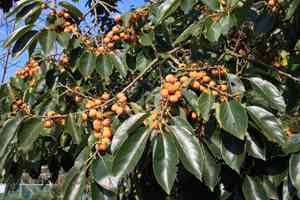
Relocate date-plum once the late spring warmth permeates the ground, fostering root development. Select a sunny spot featuring soil that drains effectively. To ensure a successful beginning, provide consistent irrigation after transplanting, guaranteeing a smooth adaptation for date-plum.
Essential Preparations Before Relocating Date-plum
Optimal Period for Date-plum Relocation?
The best time to move your date-plum is during the mild conditions of late spring or early summer. This timeframe provides moderate weather, aiding root establishment without the intense heat that can stress plants. Transplanting date-plum now allows roots to settle and expand before summer's high demands, promoting vigorous growth. A gentle reminder – your date-plum will appreciate the smooth transition to its new spot, rewarding you with resilient development due to your timely effort.
Required Spacing Between Date-plum Plants?
When preparing to transplant your date-plum, remember they require ample room to expand! We suggest placing them approximately 4-6 feet apart (1.2-1.8 meters). This will provide your plants sufficient space to grow and flourish.
Best Soil Blend for Date-plum Transplanting?
Prior to transplanting, prepare your date-plum's new location with well-draining loamy soil, rich in organic material. Additionally, a small amount of slow-release base fertilizer will significantly assist in root development and thriving.
Where to Position Your Date-plum?
Selecting the ideal spot for your date-plum is vital. Choose an area that receives full sun to partial shade. It will thrive in sunlight but will be equally content with some afternoon shade! Wishing you success in your gardening endeavors.
Equipment Needed Before Transplanting Date-plum
Gardening Gloves
To safeguard your hands while handling soil and date-plum.
Shovel or Spade
For digging a hole for the date-plum plant and extracting it from its original spot.
Watering Can/Hose
To moisten the soil around date-plum before removal and to water it post-transplant.
Gardening Trowel
To work the soil around the date-plum during transplantation.
Garden Shears
To trim any damaged roots before transplanting date-plum.
Buckets or Wheelbarrow
For moving the date-plum from one place to another.
How to Extract Date-plum from the Ground?
How to Extract Date-plum from the Ground?
From Ground: First, hydrate the date-plum plant to moisten the soil. This facilitates easier removal without root damage. Dig a generous area around the plant using a shovel or spade, ensuring a considerable distance from the plant's base to keep the root ball intact. Carefully maneuver the shovel or spade beneath the root ball to lift the date-plum from its initial position.From Pot: Water the date-plum to dampen the growing medium. Invert the pot while supporting the plant at its base with fingers spread around the stem. Tap the pot's rim against a firm surface until the plant and root ball slide out. Avoid pulling or straining the plant.From Seedling Tray: Moisten the soil before removing the date-plum seedlings. Gently hold the stem's base and attempt to lift the seedling. Use a gardening trowel if necessary. Ensure you retrieve as much of the root system as possible when lifting the seedling.
Step-by-Step Guide for Date-plum Transplantation
Transplant Timing
Consider the optimal period for transplanting date-plum, typically in spring when the plant is dormant. This allows date-plum a full growing season to establish before winter.
Prepare The Site
Excavate a hole twice as wide and as deep as the date-plum's root ball. This provides ample space for roots to spread and grow.
Transplant
Position date-plum in the hole, ensuring the top of the root ball is level with the ground surface.
Fill The Hole
Backfill around the date-plum's roots with soil, gently compacting it to eliminate air pockets.
Water
Thoroughly water date-plum after transplanting. The soil should be damp, but not waterlogged.
Post-Transplantation Care for Date-plum
Watering
Water the date-plum thoroughly after transplanting and maintain consistent soil moisture for the initial few weeks.
Adjusting Soil
Regularly monitor soil pH and nutrient levels, adjusting as needed to ensure optimal growth for date-plum.
Pruning
Pruning helps date-plum direct its energy towards new growth. Remove any diseased, damaged, or dead branches.
Monitoring
Observe the date-plum for any indications of transplant shock, such as wilting leaves or a lack of new growth. If these signs appear, reduce sun exposure and increase watering.
Resolving Common Date-plum Transplantation Issues.
When is the best time of year to transplant my date-plum?
The ideal time to transplant date-plum is from late spring to early autumn. During this phase, the plant can establish itself more effectively.
What is the correct spacing for transplanting date-plum?
Proper spacing is crucial. For date-plum, ensure each plant is 4-6 feet (1.2-1.8 meters) apart. This guarantees sufficient room for growth.
How large should the hole be when transplanting date-plum?
The hole should be twice as wide and as deep as the root ball of your date-plum. This provides ample space for root expansion.
Should I water date-plum immediately after transplanting?
Yes, it's vital to water date-plum right after transplanting to help settle the soil and hydrate the plant. Aim for consistent moisture levels.
How can I protect my transplanted date-plum from shock?
You can minimize transplant shock by avoiding root ball disturbance, maintaining similar soil types, and keeping the plant well-watered and shaded for a few days post-transplantation.
Why are the leaves of my transplanted date-plum turning yellow?
Yellow leaves may indicate over-watering or under-watering. They can also stem from transplant shock. Ensure stable watering and allow date-plum time to adapt to its new environment.
How much watering should I do after transplanting date-plum?
Generally, a thorough watering immediately after transplantation is necessary, followed by consistent moisture. Monitor the soil and adjust your watering as needed to keep it moist.
What type of soil is best for transplanting date-plum?
Date-plum prefers well-drained soil rich in organic matter. If you have heavy clay or sandy soil, incorporate compost or other organic material to improve it.
Can I transplant date-plum into a pot or container?
Absolutely, date-plum can thrive in containers, provided there's adequate space. Ensure sufficient soil, water, and good drainage in the container.
Do I need to add fertilizers when transplanting date-plum?
It's usually not necessary to add fertilizers immediately after transplanting date-plum, but beginning to feed it with a balanced fertilizer a few weeks post-transplant can support healthy growth.



