How to Transplant Katmon?
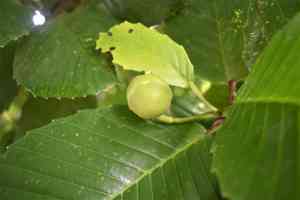
For Katmon, the ideal transplanting phase flourishes during the revitalizing span of early to mid-spring, as this fosters root development. Select a brightly lit location featuring moist, fertile earth. Ensure excellent drainage to allow Katmon's roots to prosper without issues from excessive moisture.
Preparations Required Before Relocating Katmon?
Optimal Period for Katmon Relocation?
Moving katmon is best done as winter's chill recedes and spring's warmth emerges. This revival period, typically from early to mid-spring, offers an ideal setting for root development and new growth. During this timeframe, soil moisture and temperature levels are usually perfect for katmon to adjust to its new spot, fostering strong health and vigor. Choosing this season for katmon's move ensures it has ample time to settle before summer's full heat, reducing stress and boosting transplant success.
Recommended Spacing Between Katmon Plants?
When getting ready to move your katmon, ensure they have ample room to flourish. Aim for a distance of approximately 13-20 feet (4-6 meters) between each plant. This guarantees sufficient space for both above-ground and subterranean growth.
Best Soil Mixture for Katmon Relocation?
Your katmon will thrive in fertile, well-draining soil. Before moving, enrich the ground with compost or a balanced, slow-release fertilizer to give your katmon an excellent start. A soil pH between 6.6 and 7.5 is perfect for this perennial.
Where to Replant Your Katmon?
Select a location where your katmon will receive full to partial sunlight. An area with at least 6 hours of direct sun daily would be perfect, though it can also endure some shade. Remember, adequate sun promotes robust growth and blooming.
Equipment Needed Before Katmon Transplantation?
Shovel or Spade
For digging around and beneath the katmon's root ball when extracting it from the ground, and for excavating the new planting site.
Gardening Gloves
To safeguard your hands while handling soil and the plant.
Watering Can or Hose
To hydrate the katmon before and after relocation to minimize shock and aid establishment.
Wheelbarrow or Tarp
To move the katmon from its original spot to the new planting area without harming the root ball.
Pruning Shears
To trim any damaged roots or excessive growth prior to transplanting.
Stakes and Garden Ties
To offer support to the katmon after transplant if necessary.
How to Extract Katmon from the Soil?
How to Extract Katmon from the Soil?
From Ground: Thoroughly water the katmon to moisten the soil, making plant removal easier. Dig a wide trench around the katmon, leaving ample room to avoid cutting into the root ball. Use the shovel to gently pry the root ball and lift the plant out of the ground.From Pot: Start by watering the katmon to ensure the soil is damp. Tilt the pot sideways and gently tap its sides to loosen the root ball. Grasp the plant's base and carefully slide it out, supporting the stem with your other hand.From Seedling Tray: Water the seedling tray thoroughly to facilitate katmon removal. Use a dibber or small stick to push up from the tray's bottom. Hold the katmon by its leaves, not the stem, as you carefully extract the seedling.
Step-by-Step Guide for Relocating Katmon
Initial Hydration
Water the katmon generously to lessen transplant shock and help soil adhere to the roots.
Root Ball Protection
Carefully remove the katmon from its current spot, keeping the root ball as intact as possible.
Hole Preparation
Dig a hole in the ground that is twice the width and the same depth as the katmon's root ball.
Plant Placement
Position the katmon in the center of the hole, ensuring it stands upright and at the same level as its original location.
Backfilling
Gently fill the hole with the excavated soil, lightly tamping it down to eliminate large air pockets.
Post-Transplant Watering
Water the katmon thoroughly after planting to settle the soil around the roots and aid recovery from transplant shock.
Staking
If the katmon is tall or top-heavy, provide support with stakes and garden ties to prevent it from toppling.
Post-Transplant Care for Katmon?
Mulching
Apply a 2 to 3-inch layer of organic mulch around the plant's base, avoiding contact with the stem, to retain moisture and regulate soil temperature.
Monitoring
Observe the katmon closely, especially during the initial weeks, to ensure it's adapting well to its new surroundings.
Stabilization
Verify that stakes are secure and adjust ties as the katmon grows and requires less support.
Pruning
Remove any dead or damaged growth to encourage vigorous new growth in the katmon.
Consistent Watering
Maintain a regular watering schedule, allowing the soil to dry slightly between waterings to encourage the katmon to develop deep roots.
Resolving Common Katmon Transplantation Issues.
How do I pick the best time to move katmon?
For successful relocation, aim for early to mid-spring, when mild temperatures support root development.
What spacing ensures healthy growth for relocated katmon?
Keep transplants about 13-20 feet (4-6 meters) apart, giving roots and canopies ample room to flourish.
What are the ideal soil conditions for moving katmon?
Use well-draining, fertile soil. Amend with organic matter if needed to promote strong growth after transplant.
How deep should I dig the hole for katmon?
Dig a hole twice as wide as the root ball and the same depth to avoid burying the stem.
How much should I water katmon after moving?
Water the katmon generously right after transplanting to settle the soil, then maintain consistent moisture.
Why are my katmon's leaves wilting after transplant?
Wilting can indicate transplant shock. Keep the soil moist and avoid direct sun until established.
Should I prune katmon during transplanting?
Light pruning to shape katmon is acceptable, but avoid heavy pruning to prevent additional stress.
When should I start fertilizing my relocated katmon?
Wait until katmon shows new growth before introducing a balanced fertilizer to prevent burning young roots.
How do I protect the relocated katmon from pests and diseases?
Inspect regularly and treat organically if necessary. Healthy transplants are less susceptible to problems.
Why isn't my katmon growing after transplant?
Ensure adequate sunlight, water, and check for soil compaction or roots circling the root ball hindering growth.



