How to Transplant Pacific bleeding heart?
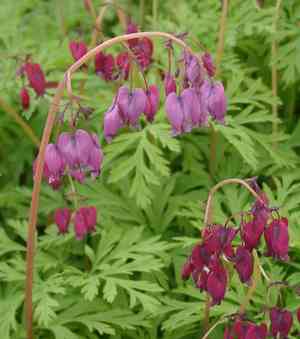
The most suitable period to relocate Dicentra formosa is in the spring, allowing sufficient time for the roots to establish. Choose a shaded spot with damp, adequately draining earth. Careful manipulation is crucial for preserving the fragile root structure.
Essential Preparations Before Relocating Pacific Bleeding Heart
Optimal Period for Transplanting Pacific Bleeding Heart
The ideal window for moving pacific bleeding heart is during its spring revival. This timeframe offers favorable temperatures and moisture levels, promoting root establishment and a strong start. Relocating pacific bleeding heart at this point capitalizes on nature's supportive conditions, ensuring a smooth transition and vigorous development. Enthusiasts value this timing as it allows pacific bleeding heart the entire season to thrive, integrating it fully into the local plant community.
Required Spacing Between Pacific Bleeding Heart Plants
Begin by marking the intended locations for your pacific bleeding heart, maintaining a distance of approximately 1-2 feet (30-60 cm) between them. This ensures ample room for the plant to expand and receive adequate air circulation, which is crucial for its development.
Ideal Soil Mixture for Pacific Bleeding Heart Transplantation
For pacific bleeding heart, a well-draining, slightly acidic to neutral soil is most suitable. Amend the soil with organic matter or a foundational fertilizer like compost to supply the necessary nutrients for a healthy beginning.
Choosing a New Location for Your Pacific Bleeding Heart
Pacific bleeding heart thrives in areas with partial to full shade. Shield them from intense afternoon sun, which can cause damage. A spot receiving morning sunlight and afternoon shade would be perfect!
Tools Required for Transplanting Pacific Bleeding Heart
Gardening Gloves
It's crucial to safeguard your hands when working with soil and plants to prevent scrapes or allergic reactions.
Garden Trowel
This small hand tool is excellent for loosening soil around the pacific bleeding heart and managing small quantities of earth.
Shovel or Spade
You will need this implement to excavate a hole in your designated new planting area.
Watering Can
To hydrate the plant immediately post-transplant, a gentle stream from a watering can is perfect.
Gardening Pruners
For trimming or removing any damaged leaves or stems from the pacific bleeding heart during the transplanting process.
Organic Mulch
To aid in moisture retention after the pacific bleeding heart plant has been transplanted.
Compost or Organic Fertilizer
To supply nutrients and encourage robust root development for the transplanted pacific bleeding heart.
Method for Extracting Pacific Bleeding Heart from the Soil
Method for Extracting Pacific Bleeding Heart from the Soil
From Ground: Start by watering the pacific bleeding heart plant. This step is vital as it facilitates the removal process by moistening the soil surrounding the plant's roots. Using your garden trowel, begin making circular motions around the plant, digging a wide trench, ensuring the plant's root ball remains undisturbed. Once sufficient space is created, carefully work the spade beneath the root ball to gently lift the plant from its original spot. From Pot/Container: Water the pacific bleeding heart plant and allow the soil to absorb the water for about an hour. This helps keep the soil intact when removing the plant from its pot. Then, lay your pot on its side and gently roll it to loosen the soil and roots from the edges. Carefully ease the plant out, holding the base of the main stems and tapping the pot's rim to dislodge it. Remember, the key is to perform this process as smoothly as possible to prevent root damage. From Seedling Tray: If the pacific bleeding heart is in a seedling tray, begin by lightly watering the plant. This aids in easier seedling extraction. Then, push up the bottom of the cell or pinch the cell's sides to release the seedling. Always handle the seedling by its leaves, not its stem or roots, to avoid any harm.
Step-by-Step Guide for Relocating Pacific Bleeding Heart
Inspection
Prior to transplanting, examine the pacific bleeding heart for any indications of pests or diseases. Remove any damaged leaves or stems using your garden pruners.
Hole Preparation
Excavate a hole that is approximately twice as wide and the same depth as the root ball using your shovel or spade.
Plant Preparation
Gently remove the pacific bleeding heart from its initial location using the methods described previously, depending on its original placement (watered ground, pot/container, or seedling tray).
Placement
Carefully position the pacific bleeding heart in the prepared hole. The top of the root ball should be level with the surrounding soil to prevent it from being overly exposed or suffocated.
Backfilling
Refill the hole with the excavated soil and a small amount of compost or organic fertilizer. Gently firm the soil around the base.
Watering
Water thoroughly after transplanting, ensuring even water distribution and the elimination of any air pockets in the soil.
Mulching
After watering the plant, apply a layer of organic mulch around the plant, but not directly touching the stems. This helps conserve moisture and suppress weeds.
Post-Transplantation Care for Pacific Bleeding Heart
Water & Moisture
Maintain consistent hydration while the pacific bleeding heart is establishing itself. Ensure the soil remains damp, but not waterlogged, as excessive moisture can lead to root rot.
Mulching
Keep the mulch layer in place to maintain cool soil temperatures and preserve moisture. Replenish the mulch as needed when it decomposes.
Fertilizing
Approximately one month after transplanting, begin a regular feeding regimen with an appropriate organic fertilizer to promote growth and flowering of pacific bleeding heart. Be careful not to over-fertilize, as this can harm the plant.
Protection
Regularly check for any signs of pests or diseases. Early detection can help manage their spread and save the pacific bleeding heart.
Pruning
Routine trimming will enable your pacific bleeding heart to direct its energy towards developing stronger roots. Promptly remove any dead or dying parts.
Resolving Common Issues with Pacific Bleeding Heart Transplantation.
When is the optimal time to transplant pacific bleeding heart?
The best period to transplant pacific bleeding heart is during the early to mid-year, corresponding to 'S1-S3'.
What distance should be maintained between pacific bleeding heart plants during transplanting?
An appropriate spacing for pacific bleeding heart should be approximately 1-2 feet (30-60cm) apart. This allows each plant to flourish and prevents overcrowding.
Should I water pacific bleeding heart immediately after transplanting?
Yes, provide pacific bleeding heart with a thorough watering right after transplanting. This helps settle the soil and minimizes transplant shock.
What is the preferred soil type for transplanting pacific bleeding heart?
Pacific bleeding heart requires well-drained, humus-rich soil. It thrives in a slightly acidic to neutral pH level for optimal growth after transplanting.
What should be the depth of the hole when transplanting pacific bleeding heart?
The hole should be twice as wide and the same depth as the root ball of pacific bleeding heart. This provides ample space for root expansion and growth.
How can I ensure minimal disturbance to the roots of pacific bleeding heart during transplanting?
Handle pacific bleeding heart gently. Aim to keep the root ball intact and reduce root exposure to air or sunlight during the transplanting process.
Is it necessary to add mulch after transplanting pacific bleeding heart?
Yes, applying a 2-4 inches (5-10 cm) layer of mulch around pacific bleeding heart helps retain moisture, regulate soil temperature, and deter weeds.
What indicates successful transplantation of pacific bleeding heart?
Pacific bleeding heart has been successfully transplanted if new growth appears after a few weeks. If not, it may be experiencing transplant shock.
Can pacific bleeding heart be transplanted alongside other plants?
Yes, pacific bleeding heart can coexist with other plants, provided the companion plants share similar growing conditions, and there is sufficient spacing between them.
What precautions should be taken when transplanting pacific bleeding heart indoors?
Ensure pacific bleeding heart receives adequate light but avoid direct sunlight. Keep the plant away from drafts and heat vents. Maintain consistent watering but prevent waterlogging.



