How to Transplant Bleeding Heart?
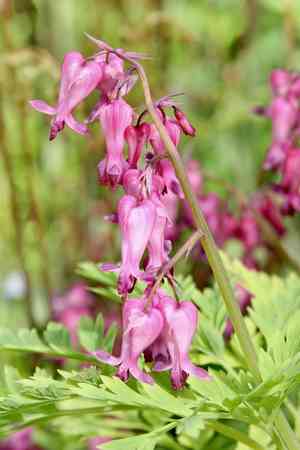
The most favorable period for relocating bleeding Heart is from mid-spring to late spring, allowing sufficient time for establishment prior to the intense heat of summer. Select a site with partial shade and adequate moisture to ensure successful re-establishment. To facilitate a seamless move, preserve the root ball's integrity and provide thorough watering post-planting.
Essential Preparations Before Relocating Bleeding Heart?
Optimal Period for Bleeding Heart Relocation?
The best time to move bleeding Heart is from mid-spring to late spring. This timeframe promotes optimal development due to favorable weather and ground conditions. Transplanting then ensures a robust plant and an extended flowering season. A successful move is vital for a long, healthy bleeding Heart life cycle.
Recommended Spacing Between Bleeding Heart Plants?
When moving your bleeding Heart, aim for a spacing of 12-18 inches (30-45 cm) between plants. This provides ample room for each plant to thrive, while also ensuring proper air circulation and sunlight exposure.
Ideal Soil Blend for Bleeding Heart Relocation?
For bleeding Heart, rich, well-draining soil with a pH of 6.0-7.0 is perfect. Incorporate organic matter like compost or aged manure to boost soil fertility and structure. A slow-release, balanced fertilizer (10-10-10) can also be added to the planting hole to give your bleeding Heart a strong start.
Where to Replant Your Bleeding Heart?
Select a spot that receives partial sun or filtered shade for your bleeding Heart. Avoid direct sunlight, especially during the hottest part of the day, as this can scorch the leaves. Morning sun with afternoon shade is a good choice for encouraging healthy growth.
Tools Required Before Relocating Bleeding Heart?
Gardening Gloves
To safeguard your hands while handling soil and bleeding Heart.
Spade or Shovel
to assist in digging into the earth and freeing the bleeding Heart from its current spot.
Garden Trowel
for smaller, precise movements when working around the root system.
Pruning Shears
to trim any dead or damaged stems of bleeding Heart.
Watering Can/Hose
to hydrate the bleeding Heart before and after its relocation.
Mulch
to apply around the plant's base post-transplant, aiding in moisture retention.
Garden Cart/Wheelbarrow
to transport bleeding Heart and all associated items.
How to Extract Bleeding Heart from the Ground?
How to Extract Bleeding Heart from the Ground?
From Ground: Before starting, water bleeding Heart to moisten the soil. Then, use a spade or shovel to dig a wide circle around the plant, ensuring to include the entire root system. The goal is to keep the bleeding Heart's root ball as intact as possible. Begin to slide your spade under the root ball, and gently lift bleeding Heart from the ground.From Pot: If bleeding Heart is in a pot, watering it beforehand will help keep its root system compact during removal. Turn the pot sideways, hold the bleeding Heart near its base, and gently pull it out. If it resists, tap the pot's bottom or roll it on the ground to loosen it.From Seedling Tray: Water the seedlings first to maximize root retention. Carefully separate individual bleeding Heart plants, avoiding damage to the young root systems. Extreme care must be taken when handling these delicate seedlings.
Step-by-Step Guide for Relocating Bleeding Heart
Root Inspection
Examine the root ball for any damage. Trim away any dead or broken roots and stems from bleeding Heart with pruning shears.
Hole Preparation
Use your shovel to dig a hole large enough to fully accommodate the root ball. If bleeding Heart was grown in a pot, use it as a guide.
Placement
Position bleeding Heart in the hole at the same depth it was growing in its previous location. Backfill the hole with soil, gently firming it around the plant, ensuring no air pockets remain.
Hydration
Generously water bleeding Heart after relocation to help the soil settle around the roots.
Mulching
Apply a 2-3 inch layer of mulch around bleeding Heart to retain moisture and suppress weeds.
Post-Relocation Care for Bleeding Heart
Pruning
Remove any wilted or dead leaves and stems from bleeding Heart to encourage new growth.
Watering
While bleeding Heart is establishing, maintain consistent soil moisture without over-saturating. Both over and under-watering can be detrimental.
Nourishment
After about a month, it would benefit bleeding Heart to add some compost or organic matter around the base to replenish soil nutrients.
Protection
Monitor for pests and diseases as bleeding Heart can be more vulnerable after being moved. If any issues arise, take appropriate action.
Addressing Common Issues with Bleeding Heart Relocation.
What is the optimal time of year to move bleeding Heart plants?
The best time to move bleeding Heart is from mid to late spring. Choose a cool, overcast day if possible, to minimize stress on the plant.
What distance should I maintain between each bleeding Heart when relocating?
Allow a comfortable space of about 12-18 inches (30-45 cm) between each bleeding Heart. This ensures the plants have ample room to spread without interfering with each other.
Can I relocate bleeding Heart in any type of soil?
Bleeding Heart prefers well-drained soil. Enriching the soil with organic matter before planting can improve the plant's health and growth. Avoid waterlogged areas.
Do I need to water bleeding Heart immediately after relocating?
Yes, watering after moving bleeding Heart is essential. It helps settle the soil around the roots and compensates for moisture loss during the relocation process.
How deep should the hole be for relocating bleeding Heart?
The hole should be twice as wide and just as deep as the bleeding Heart's root ball. This will allow it to establish itself effectively in the new location.
Why is my relocated bleeding Heart wilting?
Wilting after relocation is known as transplant shock, often caused by sudden environmental changes. Keep the plant well-watered and shaded until it recovers.
Is it harmful if the root systems of bleeding Heart are visibly exposed?
Exposed roots can lead to dehydration for bleeding Heart. When relocating, ensure the root systems are well covered with soil and water regularly.
How often should I water my relocated bleeding Heart?
The bleeding Heart prefers consistently moist soil, but avoid overwatering. Adjust your watering schedule based on weather conditions and the season.
Can I relocate bleeding Heart in direct sunlight?
Bleeding Heart thrives in partial shade. Relocating it to a spot with some sun will aid its growth, but avoid scorching summer sun for better development.
What precautions should I take when extracting bleeding Heart for relocation from its original spot?
When removing bleeding Heart for relocation, handle the plant gently to prevent root damage. Retain as much of the root system and attached soil as possible.



