How to Transplant Squirrel Corn?
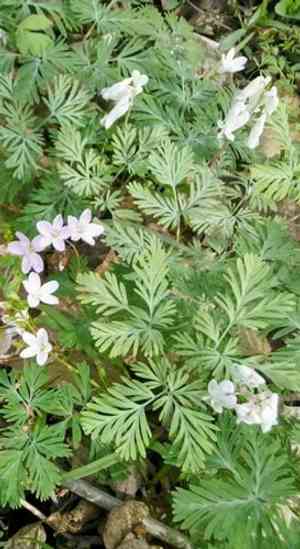
The optimal period for relocating squirrel Corn is during the lush phase of late spring extending into mid-summer, allowing roots to firmly settle prior to the colder months. Select a location offering shade with damp, adequately draining earth. Exercising extreme care with the fragile root system is crucial for a successful transfer.
Essential Preparations Before Relocating Squirrel Corn?
When is the Best Time to Move Squirrel Corn?
The optimal period for moving squirrel Corn is from late spring to early summer. This timeframe provides mild weather, allowing roots to settle without stress from extreme temperatures. Transplanting squirrel Corn then promotes root establishment, as the soil is warm, encouraging growth, and there's ample time for it to strengthen before winter. Approach this task carefully, ensuring a smooth transition for squirrel Corn to its new spot.
What is the Recommended Spacing Between Squirrel Corn Plants?
Begin by planning your garden layout: ensure each squirrel Corn plant has sufficient room to flourish. Ideally, they should be spaced approximately 1-2 feet (30-60 cm) apart. This spacing prevents plants from competing for vital resources.
What is the Ideal Soil Mixture for Transplanting Squirrel Corn?
Your squirrel Corn will thrive in any well-drained soil, but it prefers a balanced blend of sand, silt, and clay – a loamy soil. Enhance the soil with a slow-release or organic-based fertilizer to supply essential nutrients.
Where Should You Place Your Squirrel Corn?
Select a location for your squirrel Corn with care. This plant prefers partial shade, so choose a spot where it will be shielded from intense afternoon sun. A touch of morning or late afternoon sunlight would be perfect.
What Tools Are Needed Before Transplanting Squirrel Corn?
Garden Trowel
For digging, lifting, and transferring a plant from its original spot to the new site.
Gardening Gloves
To safeguard your hands while handling soil and plants.
Watering Can
For keeping the plant hydrated before and after its relocation.
Wheelbarrow or Garden Cart
If the squirrel Corn is large, this equipment assists in easily moving the plant to its new position.
Burlap or Plastic Tarp
Useful for transporting the plant without disturbing its root ball.
Garden Pruner
Sometimes it's necessary to trim damaged roots or stems either before or after transplanting.
Rooting Hormone (optional)
Encourages healthy root development during the transplanting process.
How to Extract Squirrel Corn from the Soil?
How to Extract Squirrel Corn from the Soil?
From Ground: First, water the squirrel Corn plant to moisten the soil. This facilitates easier digging without harming its roots. Using a trowel, carefully dig a wide circle around the plant, ensuring the root ball remains intact. Gradually work the trowel beneath the root ball to lift the plant from the ground.From Pot: Water the pot-bound squirrel Corn. Turn the pot on its side, gently supporting the squirrel Corn with one hand. Tap the sides and bottom of the pot to loosen the root ball. Carefully slide the plant out, taking care not to damage the roots.From Seedling Tray: If you've grown your squirrel Corn from seed in a seedling tray, water the tray thoroughly before transplanting. Using a small trowel or your fingers, carefully lift the seedlings from the tray, ensuring the root system stays intact.
Step-by-Step Guide for Relocating Squirrel Corn
Digging the Planting Hole
Excavate a hole in the new location. Ensure the hole is twice as wide and as deep as the root ball of the squirrel Corn plant.
Preparing the Plant
Lightly mist squirrel Corn with water to maintain hydration before transplanting. If needed, trim any damaged roots or stems with a garden pruner.
Planting
Carefully position the squirrel Corn in the center of the hole. The top of the root ball should be level with the ground surface.
Filling the Hole
Backfill the hole with the excavated soil. Gently press the soil around the base of the squirrel Corn to provide support.
Watering
Water the squirrel Corn generously after planting. This helps the soil settle around the roots and prevents air pockets from forming.
How to Care for Squirrel Corn After Relocation?
Regular Monitoring
Observe the squirrel Corn regularly for indications of transplant shock, which may include wilting, yellowing, or dropped leaves. If these symptoms persist, seek advice from a local nursery.
Mulching
Apply a layer of mulch around the planted squirrel Corn, but keep it away from the stem. Mulch helps retain soil moisture and inhibits weed growth.
Watering
Water the squirrel Corn consistently, especially during the initial weeks after transplanting. However, avoid overwatering as this can lead to root rot. Aim for moist, not saturated, soil.
Pruning
Remove any dead or dying leaves from the squirrel Corn plant. This allows the plant to direct energy towards new growth and recover more quickly from transplanting.
Protection from Harsh Weather
If severe weather is anticipated, consider providing some protection for the newly planted squirrel Corn, such as a plant cover, a makeshift shelter, or moving potted squirrel Corn to a sheltered spot.
Addressing Common Issues with Squirrel Corn Transplantation.
What is the ideal season to transplant squirrel Corn?
The best season to transplant squirrel Corn is between late summer and early autumn (S3-S5). This period allows sufficient recovery time before winter.
How much space should I maintain between each squirrel Corn when transplanting?
Maintain a gap of about 1-2 feet (30-60 cm) between each squirrel Corn during transplanting. This allows ample space for growth and prevents overcrowding.
What kind of soil does squirrel Corn prefer when transplanting?
Squirrel Corn prefers well-draining, fertile soil, rich in organic matter. It's important to ensure the planting ground is loamy and of neutral pH.
How to prepare the transplant hole for squirrel Corn?
Dig a hole twice as wide and as deep as the root ball of squirrel Corn. The extra space allows roots to comfortably extend and firmly establish.
What's the best method to water squirrel Corn after transplanting?
Water squirrel Corn thoroughly after transplantation, but avoid waterlogging. It's best to keep the soil moist, not drenched. Too much water can lead to root rot.
How much sunlight does squirrel Corn need post-transplant?
Squirrel Corn requires partial shade to full sunlight post-transplant. However, avoid direct midday sunlight as it may scorch the leaves and hinder growth.
Can I use fertilizer when transplanting squirrel Corn?
Yes, a balanced slow-release fertilizer can be helpful. Apply the fertilizer according to the instructions on the label, to enhance growth and nutrient intake.
When should I expect new growth after transplanting squirrel Corn?
With optimal care, new growth should appear within a few weeks post-transplant. However, a complete recovery and root establishment may take several months.
What pests or diseases should I watch out for after transplanting squirrel Corn?
Monitor for pests like aphids and diseases like root rot. If signs are noted, take action quickly. Fungicides for root rot and insecticidal soaps for aphids are recommended.
What should I do if leaves start yellowing after transplanting squirrel Corn?
Yellowing leaves might indicate too much sunlight or water. Modify watering patterns and, if needed, relocate the plant to a more shaded area.



