How to Transplant Garden pink?
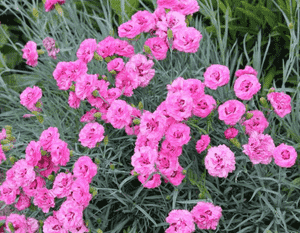
For Dianthus, the optimal period for relocation is from mid-spring to early summer, due to favorable soil warmth and plant development. Select a bright spot with soil that drains effectively for best outcomes. A gentle reminder: ensure you lightly irrigate Dianthus after its transfer!
Necessary Preparations Before Moving Garden Pink
Optimal Timing for Relocating Garden Pink?
The best time to move garden pink is from mid-spring's mild conditions to early summer's warmth. This period aligns with the plant's accelerated growth in warmer climates. Transplanting during this season allows for robust root development before intense summer heat. This spring-to-summer transition enables the plant to absorb seasonal nutrients, leading to vibrant blooms. I assure you, precise timing will result in an exceptionally lush display of garden pink.
Required Spacing Between Garden Pink Plants?
When relocating garden pink, provide ample room for growth by placing them approximately 8-10 inches (20-25 cm) apart. This promotes healthy development and prevents overcrowding.
Ideal Soil Mixture for Garden Pink Relocation?
For garden pink, a well-draining soil rich in organic matter is perfect. Incorporate a generous amount of compost, peat moss, or aged manure into the soil as a foundational fertilizer to nourish your plants.
Where to Replant Your Garden Pink?
Choose a garden spot where garden pink will receive at least 6 hours of direct sunlight daily. They thrive in sunny locations, benefiting from some afternoon shade.
Equipment Needed Before Relocating Garden Pink
Gardening Gloves
To safeguard your hands when handling roots, soil, and plant debris.
Shovel or Garden Trowels
For excavating the garden pink from its original spot or preparing a hole in the new location.
Watering Can
For hydrating the garden pink before and after relocation.
Gardening Pruner
If needed, for trimming dead, broken, or diseased branches of garden pink prior to transplanting.
Wheelbarrow or Plant Pot
For moving the garden pink to its new site.
How to Extract Garden Pink from the Ground?
How to Extract Garden Pink from the Ground?
From Ground: Start by thoroughly saturating the garden pink's root area to moisten the soil, a day before moving it. Use a sharp shovel to dig a wide circle around the plant, preserving as much of the root system as possible. Carefully slide the shovel beneath the root ball and gently lift the plant, minimizing root damage.From Pot: Water your plant well before transplanting to facilitate removal. Turn the pot on its side, tap the rim on the ground to loosen the soil, and pull the plant out by its base. Avoid pulling from the top, as this could harm the plant.From Seedling Tray: Squeeze the container's base to loosen the root ball and carefully remove each garden pink plant. If removal is difficult, use a blunt knife to lift the root ball without causing damage.
Step-by-Step Guide for Relocating Garden Pink
Preparing the Plant
Water the garden pink thoroughly a few hours before moving it. If necessary, trim any damaged or dead foliage.
Digging the Hole
Excavate a hole twice as wide and as deep as the plant's root ball. This ensures ample space for roots to spread comfortably.
Placing the Plant
Position the garden pink in the hole. The top of the root ball should be level with the soil surface.
Backfilling
Fill the hole with soil, gently firming it around the garden pink, ensuring no air pockets remain.
Watering
After planting, water the garden pink immediately to settle the soil around its roots.
Post-Transplant Care for Garden Pink
Watering
Water the garden pink thoroughly right after relocation. Continue regular watering, especially during hot and dry periods.
Pruning
Prune garden pink to encourage new growth, but avoid cutting into old wood.
Be Patient
Remember that plants often experience transplant shock, appearing wilted or losing a few leaves. Don't worry, be patient and allow your plant time to adjust.
Monitor Health
Closely observe the garden pink's health. If any signs of pests or disease appear, address them promptly to prevent spread.
Troubleshooting Common Issues with Garden Pink Relocation.
When is the best period to move garden pink?
The most favorable time to relocate garden pink is from mid-spring to early summer. This is when the plant benefits most from warming soil and increased sunlight.
What is the ideal spacing for garden pink during relocation?
For optimal growth, position each garden pink approximately 8-10 inches (20-25 cm) apart. This provides sufficient space for the plants to expand their foliage and roots.
Should the soil be prepared before moving garden pink?
Absolutely! Loosen the soil to enhance drainage and incorporate organic matter. This assists the roots of garden pink in absorbing nutrients and water more efficiently.
Why is my relocated garden pink wilting or looking stressed?
Don't panic, this is often a normal reaction to transplant shock. Ensure the plant receives consistent watering until it establishes itself. Excessive sun exposure might worsen it, so consider partial shade.
What should be the depth of the hole when moving garden pink?
When preparing to relocate your garden pink, ensure the hole is as deep as the root ball and twice as wide. This will provide ample room for the roots to spread comfortably.
What should I do if the leaves of my relocated garden pink turn yellow?
Yellow leaves may indicate overwatering or poor drainage. Reduce watering and check if the soil drains properly. If the issue persists, it might require a bit more nitrogen.
Can I move garden pink into a container?
Certainly! Garden pink thrives well in containers too. Just ensure it has well-draining soil and enough space for growth. Additionally, remember the drainage holes at the pot's bottom.
Can I use regular garden soil for moving garden pink into a pot?
It's best to use a high-quality potting mix when relocating garden pink into pots. Regular garden soil can compact in containers and impede your plant's growth.
Can I move garden pink into full sun?
Garden pink prefers a sunny location, but if the sunlight in your area is too intense, consider a spot that offers some afternoon shade. This will protect it from potential sun damage.
How often should I water a newly relocated garden pink?
After relocating garden pink, water it thoroughly and then keep the soil moderately moist. Avoid overwatering and ensure the soil is well-drained to prevent root rot.



