How to Transplant Sweet william?
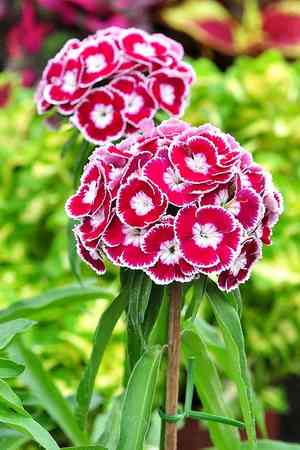
The optimal period for relocating sweet william is from late spring to early summer, given its preference for elevated temperatures. Favorable environments feature ample sunlight and soil that drains effectively. Exercise caution during the transplanting process to guarantee proper establishment.
What Preparations are Needed Before Transplanting Sweet William?
What is the Ideal Time for Transplanting Sweet William?
The optimal period to relocate sweet william falls within the pleasant window of mid-spring to early summer. This timing promotes peak development, vibrant blooms, and a flourishing plant. Your garden will certainly benefit!
How Much Space Should You Leave Between Sweet William Plants?
When moving your sweet william, ensure they are spaced 1-2 feet (30-60 cm) apart. This spacing provides ample room for the plants to thrive and grow contentedly in your garden!
What is the Best Soil Mix for Sweet William Transplanting?
For robust sweet william, utilize well-drained, fertile soil that is slightly alkaline (pH 6.0-7.5). Prior to planting, incorporate organic matter or compost, along with a slow-release balanced fertilizer to give them a strong start.
Where Should You Relocate Your Sweet William?
Select a transplanting site for your sweet william where they will receive full sun or partial shade (at least 6 hours of sunlight daily). This will create the perfect environment for your beautiful plants to flower and prosper!
What Equipments Should You Prepare Before Transplantation Sweet William?
Gardening Gloves
To safeguard your hands while handling soil and plants.
Shovel or Spade
To excavate planting holes and extract the sweet william plant from its initial spot.
Garden Trowel
For creating precise planting holes and loosening the soil for relocation.
Garden Fork
To break up and aerate compacted soil, and gently loosen the root ball.
Watering Can or Hose
To provide a gentle water supply to the sweet william before and after relocation.
Mulch
To aid in retaining soil moisture and inhibiting weed growth around the plant.
Plant Stake or Support (optional)
For taller sweet william varieties that might require additional support as they mature.
How Do You Remove Sweet William from the Soil?
How Do You Remove Sweet William from the Soil?
- From Ground:First, irrigate the sweet william plant to moisten the soil. Next, excavate a wide trench around the plant using a shovel or spade, ensuring the plant's root ball remains intact. Carefully work the spade beneath the root ball to lift the plant from its original position.- From Pot:If the sweet william plant is in a pot, gently compress the sides of the pot to loosen the soil. Invert the pot and carefully slide the plant out, keeping the root ball whole. If necessary, tap the pot's edge on a firm surface to assist the plant in sliding out easily.- From Seedling Tray:For seedling trays, carefully extract the sweet william seedlings by gently squeezing the base of each cell, then gently lift the seedling using a fork or your fingers, ensuring the root ball remains intact and undisturbed.
Step-by-Step Guide for Transplanting Sweet William
Site Selection
Choose a location with adequate space for your sweet william plant to reach its mature size.
Prepare the Soil
Use a garden fork to loosen the top 6-8 inches of soil in the chosen area. Remove weeds and incorporate compost, if needed, to enhance soil quality.
Dig Holes
Excavate holes with your spade or trowel that are twice as wide and equally deep as the sweet william root ball.
Gently Loosen Root Ball
If the roots of your sweet william are tightly packed in the root ball, gently use a fork or your fingers to loosen them so they can spread out more easily in the new planting hole.
Plant the sweet william
Carefully position the sweet william root ball in the hole, ensuring the top of the root ball is level with the surrounding soil. Gently backfill the hole with soil, lightly firming it around the root ball to eliminate any air pockets.
Water
Water the sweet william generously to establish good root contact with the soil. Apply water directly to the plant's base to avoid wetting the foliage.
Mulching
Apply a layer of mulch around the sweet william to help retain moisture and deter weeds.
Support (if needed)
If your sweet william plant is a taller variety, install a stake or suitable support near the plant's base at the time of transplanting to prevent root disturbance later on.
How Do You Care For Sweet William After Transplanting?
Watering
Keep the soil around the sweet william consistently moist, but not waterlogged, for the initial weeks post-transplant to aid in root establishment. Afterward, water as required based on local conditions and the sweet william's needs.
Fertilizing
Once the sweet william plant is well-established, you can commence a regular fertilization routine, adhering to manufacturer's guidelines and adjusting based on the sweet william's requirements.
Weed Control
Regularly inspect the area surrounding your sweet william plants for weeds, and remove them promptly to prevent competition for resources.
Inspection
Monitor your sweet william plants for any indications of pests or diseases, and address any issues swiftly using an integrated pest management strategy.
Troubleshooting Common Issues with Sweet William Transplantation.
When is the best time to transplant sweet william?
The ideal time to relocate sweet william is during mid-spring to early summer.
What is the recommended spacing for sweet william?
Allow a spacing of 1-2 feet (30-60 cm) between sweet william plants for optimal growth.
How do I prepare the soil for transplanting sweet william?
Prepare the soil by loosening it, adding organic matter if necessary, and ensuring proper drainage.
How deep should I plant sweet william seedlings?
Plant sweet william seedlings at the same depth as they were in their original container.
Is it necessary to water sweet william after transplanting?
Yes, thoroughly water the sweet william after transplanting to help settle the soil and minimize transplant shock.
Do I need to provide any support for sweet william during transplanting?
Typically, sweet william does not require support during transplanting. However, staking may be necessary for taller varieties.
How do I help sweet william recover from transplant shock?
Ensure adequate watering, provide partial shade for a few days, and avoid over-fertilizing to alleviate transplant shock.
What signs indicate sweet william transplanting issues?
Wilting, yellowing, or dropping leaves are indicators of transplanting problems in sweet william.
Can I transplant sweet william during hot weather?
Avoid relocating sweet william in hot weather; opt for cooler days or early morning/late afternoon hours.
How can I ensure successful transplanting of sweet william?
Choose healthy seedlings, properly space plants, prepare the soil, water well, and monitor recovery for success.



