How to Transplant Tufted hairgrass?
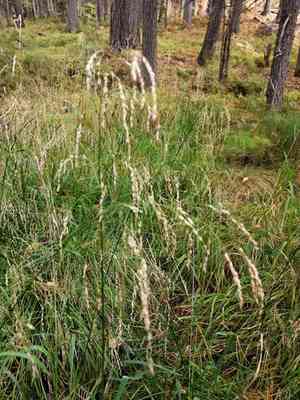
Tufted hairgrass flourishes most effectively after relocation during the spring, a period of vigorous development. Choose a site featuring damp, adequately draining soil and dappled sunlight. Careful management of the root system fosters strong, fresh growth.
What Preparations are Needed Before Transplanting Tufted Hairgrass?
What is the Ideal Time for Transplanting Tufted Hairgrass?
The perfect time to move tufted hairgrass is during spring's lively resurgence. This period aids tufted hairgrass in rooting more effectively, utilizing the mild temperatures and increasing daylight hours, which are optimal for promoting robust growth. Introducing tufted hairgrass to your garden in this season ensures it thrives in spring's nurturing embrace, establishing itself with strength and elegance before summer's heat. Relocating tufted hairgrass now allows it to enjoy the entire growing season, setting the stage for a lush, green presence.
How Much Space Should You Leave Between Tufted Hairgrass Plants?
When relocating your tufted hairgrass, ensure proper spacing. Aim to leave approximately 1-2 feet (30.5 - 60.5 cm) of clear area around each plant. This provides ample room for each plant to expand and flourish comfortably!
What is the Best Soil Mix for Tufted Hairgrass Transplanting?
For optimal growth, prepare your soil thoroughly before transplanting your tufted hairgrass. Select a well-draining soil, ideally a loamy or sandy type. Incorporate some slow-release granular fertilizer to give your plants a beneficial initial boost!
Where Should You Relocate Your Tufted Hairgrass?
Location significantly impacts your tufted hairgrassâs well-being! Choose a site that receives full sun or partial shade. This means your plant should get at least 3-6 hours of sunlight daily. Your tufted hairgrass will appreciate the warmth and flourish happily there!
What Equipments Should You Prepare Before Transplantation Tufted Hairgrass?
Gardening Gloves
Essential for safeguarding your hands from sharp debris and insects while working in the soil.
Shovel or Trowel
These implements are necessary for excavating the hole where you will be transplanting your tufted hairgrass.
Gardening Pruners
To trim any dead or excessive growth of tufted hairgrass during the transplanting process. Pruning helps the plant direct its energy towards developing new roots in the new location.
Garden Hose or Watering Can
To hydrate the tufted hairgrass before and after transplanting it, ensuring the plant is well-moistened and settles in.
Wheelbarrow or Heavy-duty Garden Bag
Facilitates moving the tufted hairgrass from its original spot to the new location without causing harm to the plant.
How Do You Remove Tufted Hairgrass from the Soil?
How Do You Remove Tufted Hairgrass from the Soil?
From Ground: First, thoroughly saturate the tufted hairgrass root zone with water. This will simplify the extraction process and minimize root damage. Use a shovel to carefully dig around the root ball without cutting into it. Dig sufficiently deep to slide the spade beneath the root ball, then gently lift the plant from the ground.From Pot: Begin by watering the tufted hairgrass in its container. Then, tilt the pot sideways and gently pull on the plant's base. If it doesn't slide out easily, rotate the pot slightly to loosen the soil before attempting again. Be careful not to pull forcefully, as this could harm the plant.From Seedling Tray: Water the tufted hairgrass before removing it from the seedling tray. Use a small tool, such as a spoon or a popsicle stick, to carefully ease the plant out of its cell. Be cautious not to damage the delicate roots while lifting.
Step-by-Step Guide for Transplanting Tufted Hairgrass
Digging a Hole
Excavate a hole that is twice as wide and as deep as the tufted hairgrass root ball. This provides ample space for the roots to spread out in their new environment.
Preparation
After extracting the tufted hairgrass from its initial spot (as described above), gently untangle the roots from the root ball if they are matted and trim any dead, broken, or circling roots.
Planting
Position the tufted hairgrass into the hole, ensuring it is at ground level and not too deep or too shallow. Backfill the hole with the original soil.
Watering
Immediately after planting, thoroughly water the tufted hairgrass to help it settle. This also aids in eliminating any air pockets that could cause roots to dry out.
How Do You Care For Tufted Hairgrass After Transplanting?
Watering
Water your tufted hairgrass consistently at its base, especially during the first two weeks post-transplant. This is crucial to prevent the plant from drying out or becoming waterlogged. Adjust watering based on local climate and weather conditions.
Pruning
Maintain the tufted hairgrass by pruning it occasionally, removing any damaged or dead growth, which could otherwise impede the plant's recovery by diverting essential energy.
Mulching
Apply organic mulch around tufted hairgrass to help retain soil moisture and regulate soil temperature, but ensure the mulch does not touch the plant's stems as this may lead to rot.
Monitoring
Observe your tufted hairgrass for indications of transplant shock, such as yellowing leaves or wilting. If such symptoms appear, ensure the plant is adequately watered and not exposed to extreme temperatures.
Patience
Remember, plants may require time to recover after transplanting. Patience and diligent care are vital during this phase.
Troubleshooting Common Issues with Tufted Hairgrass Transplantation.
When's the ideal time to transplant the tufted hairgrass?
The optimal period to relocate tufted hairgrass is during stages S1 to S3, which refers to late winter through early summer. This allows the tufted hairgrass sufficient time to establish itself before the colder months arrive.
What's the optimal spacing when planting tufted hairgrass?
Maintain a respectful distance of approximately 1-2 feet (0.3-0.6m) between each tufted hairgrass. This ensures each plant has ample room to grow and thrive optimally.
How deep should the hole be for transplanting tufted hairgrass?
Prepare a hole that is twice as wide and equal in depth to the root ball of the tufted hairgrass. This space is necessary for roots to spread and grow comfortably.
Is it necessary to prune tufted hairgrass before transplanting?
Yes, it can be advantageous. Pruning helps in concentrating the tufted hairgrass's resources on root development post-transplant, rather than sustaining existing foliage. Be careful not to over-prune.
What's the ideal soil type for transplanting tufted hairgrass?
Tufted hairgrass thrives in well-drained soil. While it adapts to various types, poorly drained, heavy-clay soils can cause future problems.
How often should I water transplanted tufted hairgrass?
Immediately after transplanting tufted hairgrass, water thoroughly. Subsequently, maintain consistent moisture without overwatering. Excessive watering can lead to root diseases, so aim for balance.
What should I do if my transplanted tufted hairgrass starts to wilt?
Wilting can indicate transplant shock, often due to heat or insufficient water. Provide adequate water and shade during the hottest part of the day to aid its recovery.
Should I feed tufted hairgrass after transplanting?
Yes, fertilize lightly after transplanting to encourage root development. Opt for a balanced, slow-release fertilizer, avoiding excessive nitrogen as it might hinder root growth.
Is there a risk of pest infestation after transplanting tufted hairgrass?
Pests become a concern when plants are stressed, such as after transplanting. Regularly check for any signs of pests and act promptly with appropriate organic or chemical insecticides as needed.
Can I transplant tufted hairgrass in a container?
Absolutely! Ensure the container is large enough for its growth and has good drainage. Also remember, container plants may require additional care regarding watering and temperature control.



