How to Transplant Twolobe larkspur?
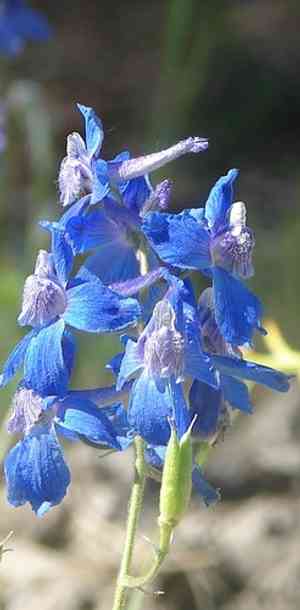
For twolobe larkspur, transplantation is most effective in the vigor of mid-to-late spring, capitalizing on strong development. Select a location offering abundant sunlight and soil that drains efficiently. Should it be required, amend the area with organic material to provide twolobe larkspur with a solid fresh start.
What Preparations are Needed Before Transplanting Twolobe Larkspur?
What is the Ideal Time for Transplanting Twolobe Larkspur?
The optimal period for relocating twolobe larkspur spans from late April through early June. This timeframe offers mild temperatures and adequate rainfall, promoting root establishment without the stress of intense summer heat. Moving twolobe larkspur during this season not only aligns with its natural growth cycle but also encourages vigorous development, leading to a healthier, thriving plant. Taking this step carefully ensures twolobe larkspur begins its new garden life with the best chance for success.
How Much Space Should You Leave Between Twolobe Larkspur Plants?
Firstly, providing twolobe larkspur with ample room is crucial! Aim to space them approximately 12-18 inches (30-46 cm) apart. This will guarantee each twolobe larkspur has sufficient space to thrive without competing for nutrients or sunlight.
What is the Best Soil Mix for Twolobe Larkspur Transplanting?
For flourishing twolobe larkspur, well-draining soil is your top choice! Incorporate some compost or a balanced, slow-release fertilizer to prepare a comfortable bed. A slightly acidic pH is perfect, but twolobe larkspur isn't overly particular.
Where Should You Relocate Your Twolobe Larkspur?
Select a location where your twolobe larkspur will absorb plenty of sunlight! These beautiful plants flourish in full sun to partial shade. Seek out a spot that receives at least 6 hours of daily sunlight to keep your twolobe larkspur radiating with happiness.
What Equipments Should You Prepare Before Transplantation Twolobe Larkspur?
Gardening Gloves
To safeguard your hands while handling soil and plants.
Shovel or Spade
For digging the transplant hole and extracting the twolobe larkspur from its original spot if needed.
Garden Trowel
For managing the finer points of excavation and planting.
Pruning Shears
To trim any dead or excessive parts of the twolobe larkspur before and after relocation.
Watering Can or Hose
To thoroughly hydrate the twolobe larkspur following transplantation.
Wheelbarrow or Garden Cart
To effortlessly move the twolobe larkspur and soil, especially if it's a large specimen.
Plant Supports or Stakes
To offer stability for the twolobe larkspur if it's a tall variety or prone to falling over.
Organic Mulch
To assist the soil in retaining moisture and suppressing weeds around the newly planted area.
How Do You Remove Twolobe Larkspur from the Soil?
How Do You Remove Twolobe Larkspur from the Soil?
From Ground: Hydrate the twolobe larkspur plant to moisten the soil a day prior to your planned transplant. Carefully excavate a wide perimeter around the plant with a shovel or spade to prevent damage to the root ball. Gently work the tool beneath to lift the plant and its root ball from the ground.From Pot: Tilt the container sideways and gently tap its edges to loosen the soil's grip on the pot. Grasp the base of the twolobe larkspur and carefully ease it out. You might need to cut the pot away if the plant appears tightly bound inside.From Seedling Tray: Water the seedling to ensure the soil is damp. Use a garden trowel or your fingers to carefully lift the twolobe larkspur from its compartment, aiming to keep as much soil around the roots as possible.
Step-by-Step Guide for Transplanting Twolobe Larkspur
Plant Preparation
Water the twolobe larkspur thoroughly the day before transplanting to ensure the roots are well-hydrated.
Hole Preparation
Dig a hole in the ground that is twice the width of the twolobe larkspur's root ball, but only as deep so that the plant sits at the same soil level as before.
Plant Removal
Follow the appropriate removal procedure from the category discussion to carefully extract the twolobe larkspur from its current location.
Root Inspection
Examine the root ball for any indications of disease or dead roots and use pruning shears to carefully remove any found.
Positioning in New Location
Place the twolobe larkspur in the center of the hole and gently spread out its roots.
Backfilling
Half-fill the hole with soil, gently pat down to eliminate air pockets, and water thoroughly before completing the hole filling.
Stake Placement
Insert plant supports or stakes into the soil now if the twolobe larkspur will require them for stability as it grows.
Final Watering
Water the twolobe larkspur generously once more to help settle the soil around the roots and provide essential hydration.
Mulching
Apply a layer of organic mulch around the base of the twolobe larkspur, being careful not to pile mulch against the stem, which can lead to rot.
How Do You Care For Twolobe Larkspur After Transplanting?
Initial Watering
Water the twolobe larkspur deeply after transplanting to aid its recovery from transplant shock and encourage new root development.
Regular Observation
Monitor your twolobe larkspur for signs of stress, which may include wilting foliage or discoloration, and address any issues promptly.
Staking
If your twolobe larkspur is a tall-growing variety, ensure that plant supports are secure and add ties as the plant matures.
Protection
Shield your twolobe larkspur from pests and consider a protective barrier if wildlife is present in your area.
Seasonal Care
As your twolobe larkspur establishes itself, adjust watering and care based on the seasons and prevailing weather conditions.
Troubleshooting Common Issues with Twolobe Larkspur Transplantation.
What's the ideal time to transplant twolobe larkspur?
Transplanting twolobe larkspur is best done from mid-spring to late spring, once the soil has warmed.
How far apart should I space twolobe larkspur when transplanting?
Ensure each twolobe larkspur has ample room to thrive by spacing them 12-18 inches (30-46 cm) apart.
What should I do if twolobe larkspur wilts after transplanting?
Provide shade and sufficient water. Check soil moisture depth to ensure roots are not waterlogged.
Why is my transplanted twolobe larkspur not flowering?
It may require more time to establish, ensure nutrient-rich soil and adequate sunlight.
How deep should the hole be for transplanting twolobe larkspur?
The hole should be as deep as the root ball and twice as wide for proper root expansion.
Should I fertilize twolobe larkspur when transplanting?
Use a balanced, slow-release fertilizer after transplanting to promote healthy growth.
How much should I water twolobe larkspur post-transplant?
Water generously initially, then maintain consistent moisture without overwatering, allowing the soil to dry slightly between waterings.
What type of soil is best for transplanting twolobe larkspur?
Well-draining, fertile soil with a neutral to slightly alkaline pH is ideal for twolobe larkspur.
Can I transplant twolobe larkspur on a hot, sunny day?
It's best to transplant twolobe larkspur on a cloudy day or in the evening to minimize stress.
Why are the leaves of my transplanted twolobe larkspur turning yellow?
Yellow leaves could indicate overwatering, nutrient deficiency, or shock. Adjust care accordingly and monitor.



